The loss in the engine room
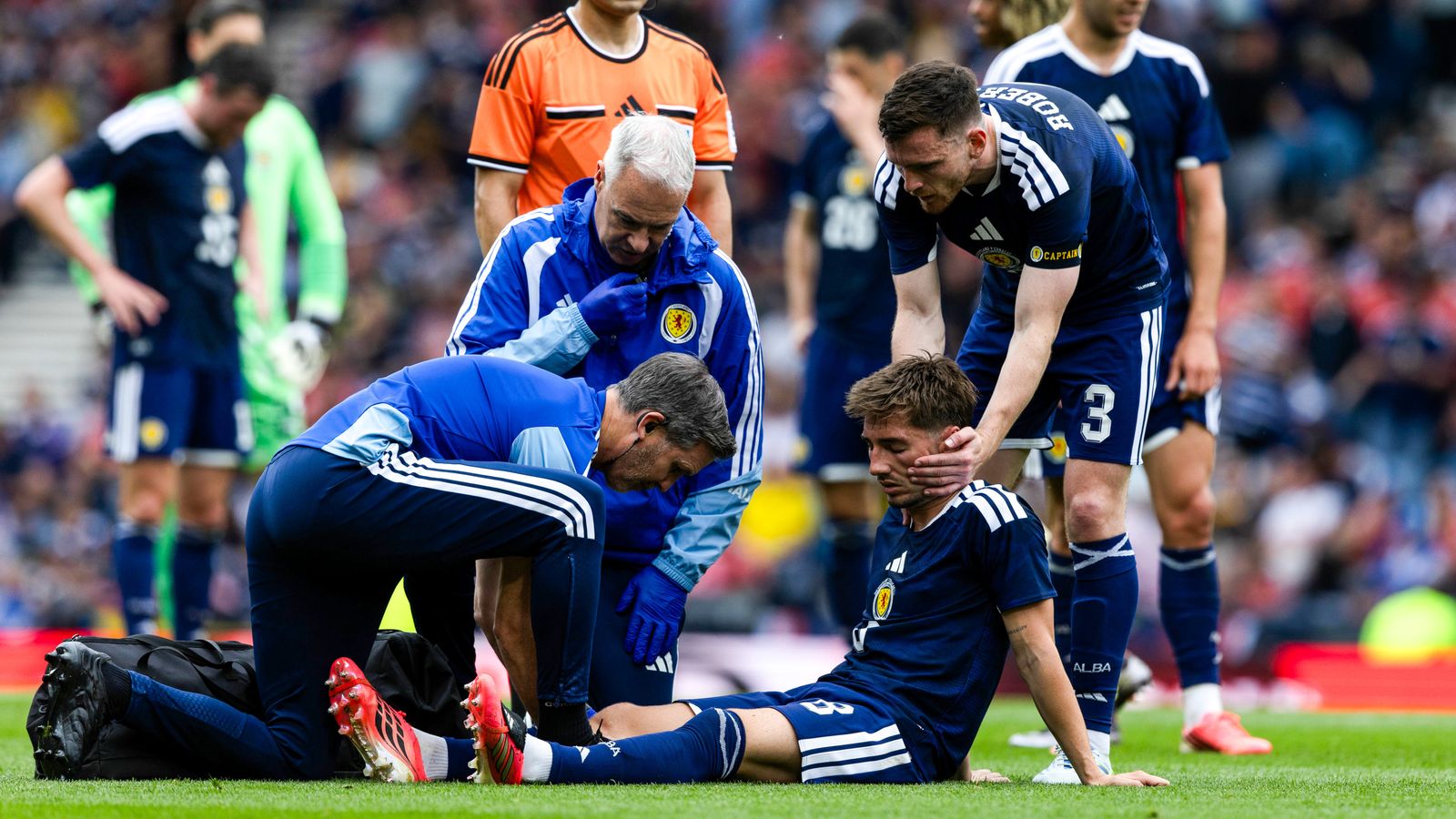
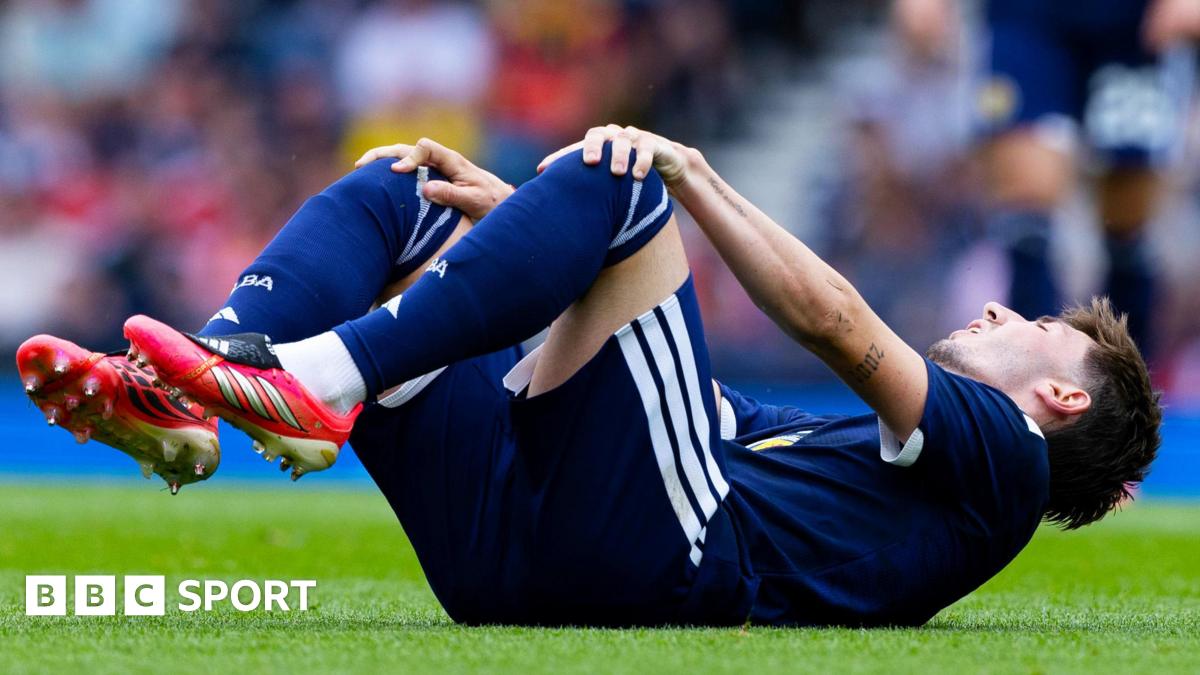
Scotland’s preparations for the 2026 World Cup have hit a jagged snag. During the 4-1 friendly victory over Curacao last Saturday, Billy Gilmour suffered a knee injury that has officially ruled him out of the tournament.
This is a brutal blow for Steve Clarke. Gilmour has been the metronome of this side, averaging an 88% pass completion rate throughout the qualification campaign. His ability to drop between the center-backs to receive possession and circulate the ball against high-pressing opponents was the primary mechanism for Scotland’s vertical transition.
The shadow of tactical instability
Without their primary distributor, Clarke must decide how to reconstruct his central pair. The vacancy leaves a hole that exposes a lack of depth in the holding role.
Reports suggest that Manchester United’s Darren Fletcher could be brought into the fold to address the veteran void. While Fletcher possesses the intelligence to anchor a midfield, calling upon him at this juncture highlights the fragility of the current squad depth.
What to watch for in training
The immediate concern is how the remaining midfield units behave under pressure. Watch for Scott McTominay’s positioning during the pre-tournament sessions. He will likely be pushed into a more restrictive deep-lying role, limiting his capacity to break into the box which resulted in 5 goals during the qualifying cycle.
The defensive transition is where the most significant failure points reside. When Gilmour played, the space between the midfield and the defensive line was managed through constant micro-adjustments. Without him, expect gaps to appear in the half-spaces during defensive transitions.
Predicting the Scottish response
Clarke does not have the luxury of time to experiment with new personnel. Replacing a player of Gilmour’s technical profile with a veteran who has seen limited minutes is a band-aid solution, not a structural repair.
I expect Scotland to struggle with tempo control in their opening match. They will lean heavily on direct balls toward the wings to bypass the midfield entirely, a tactic that turns the game into a chaotic, end-to-end affair. It is a desperate move that risks exposing their lack of recovery pace at the back.
If the BBC reports regarding the injury severity hold true, Scotland’s ceiling has been lowered significantly. They will be fortunate to progress past the group stage given the tactical isolation this injury forces upon their remaining central options.
Read Next
- Scotland are playing with fire ahead of the World Cup opener
- Scotland's World Cup gamble: Steve Clarke is now officially bulletproof
- Scotland’s path through group stage hinges on the Haiti opener
- Steve Clarke is running out of excuses regarding the Scotland squad
- 🏆 World Cup 2026 — Full Coverage Hub
- 🏴 Scotland World Cup 2026 — Tartan Army Hub
- 🇧🇷 WC 2026 Group C — Brazil, Morocco, Scotland, Haiti