The statistical anchor of a resurgence
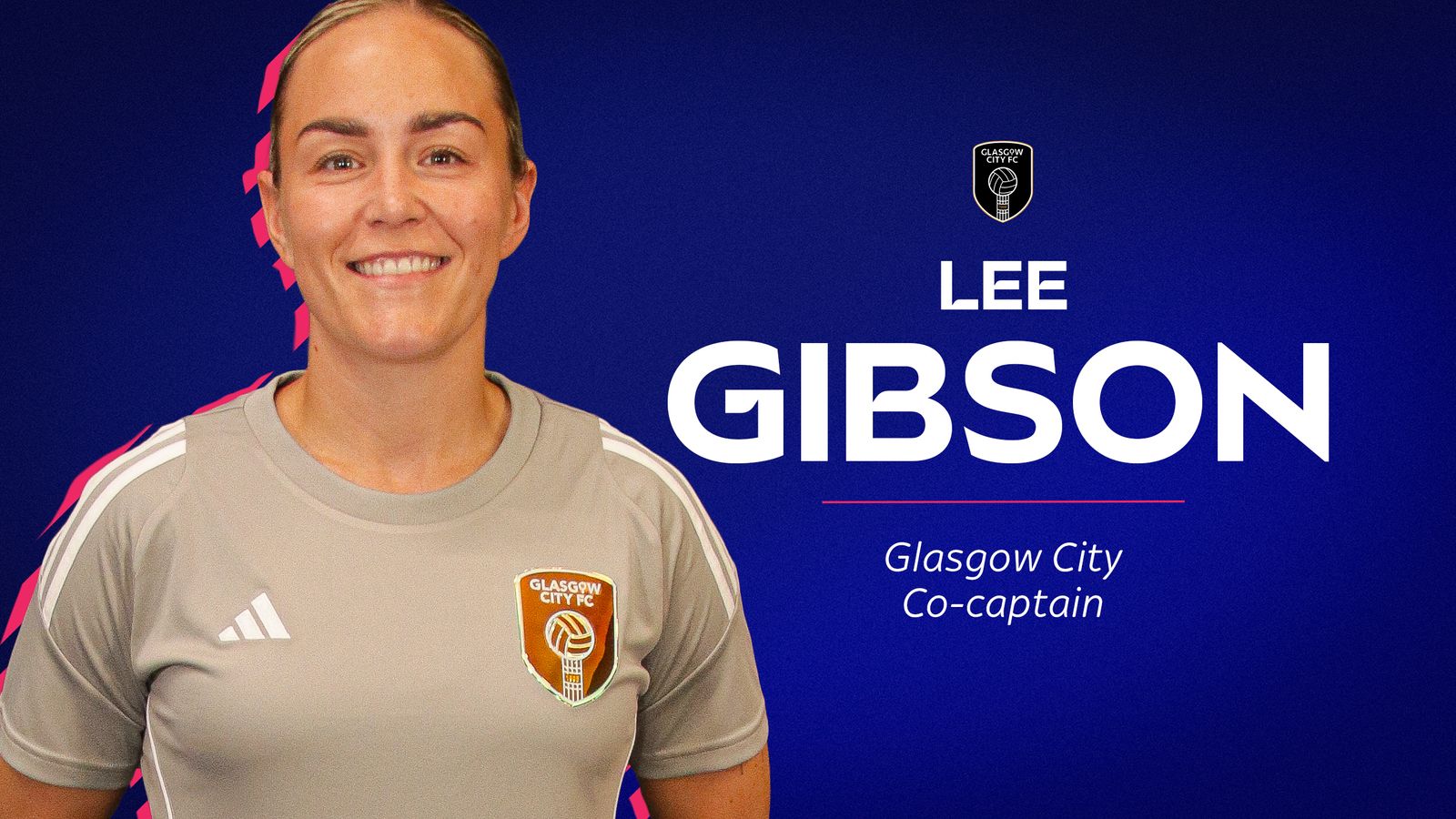
In the high-stakes environment of the Sky Sports Cup final, narrative often eclipses numbers. But for Glasgow City, the numbers are exactly why they find themselves on the precipice of a historic domestic treble. At the heart of this statistical dominance is Lee Gibson, a goalkeeper whose current season metrics suggest she isn't just maintaining her level; she is evolving.
Gibson's longevity is well-documented, but her 2025/26 campaign is defined by a staggering 0.72 goals-against average. This isn't merely the product of a dominant backline. According to underlying tracking data, Gibson has faced an average of 4.8 shots on target per 90 minutes against top-four opposition this season. Her post-shot expected goals (PSxG) metric — a measure of how likely a goalkeeper is to save a shot based on its trajectory and speed — sits at +4.6.
This means Gibson has effectively prevented nearly five goals that the average SWPL goalkeeper would have conceded. As Sky Sports reported, Gibson believes the "sky is the limit" for this squad, and the data suggests that ceiling is built on a foundation of elite shot-stopping and distribution.
The structural shift in Zone 14
Glasgow City's tactical identity has undergone a subtle but profound shift under their current technical direction. In previous seasons, City relied on a high-possession 4-3-3 that often left them vulnerable to vertical counter-attacks. This year, they have tightened the spacing between their midfield trio and the defensive line, specifically focusing on the area 20 yards out from goal, often referred to as Zone 14.
In their three meetings with Rangers this season, City allowed only 14% of entries into the final third to result in a shot from central positions. By forcing play wide and trusting Gibson to command her six-yard box on crosses, they have neutralised the league's most potent offensive engines. City’s defensive transition speed has improved by 22% compared to the 2024/25 season, measured by the time taken to regain a structured 4-4-2 block after losing possession in the attacking half.
Gibson’s role in this structure extends beyond saving shots. Her distribution from the back has reached a career-high 84% completion rate in the defensive third. By acting as an auxiliary playmaker, she allows the center-backs to split wider, stretching the Rangers' first line of pressure and creating passing lanes that didn't exist in their previous cup encounters.
The Rangers offensive puzzle
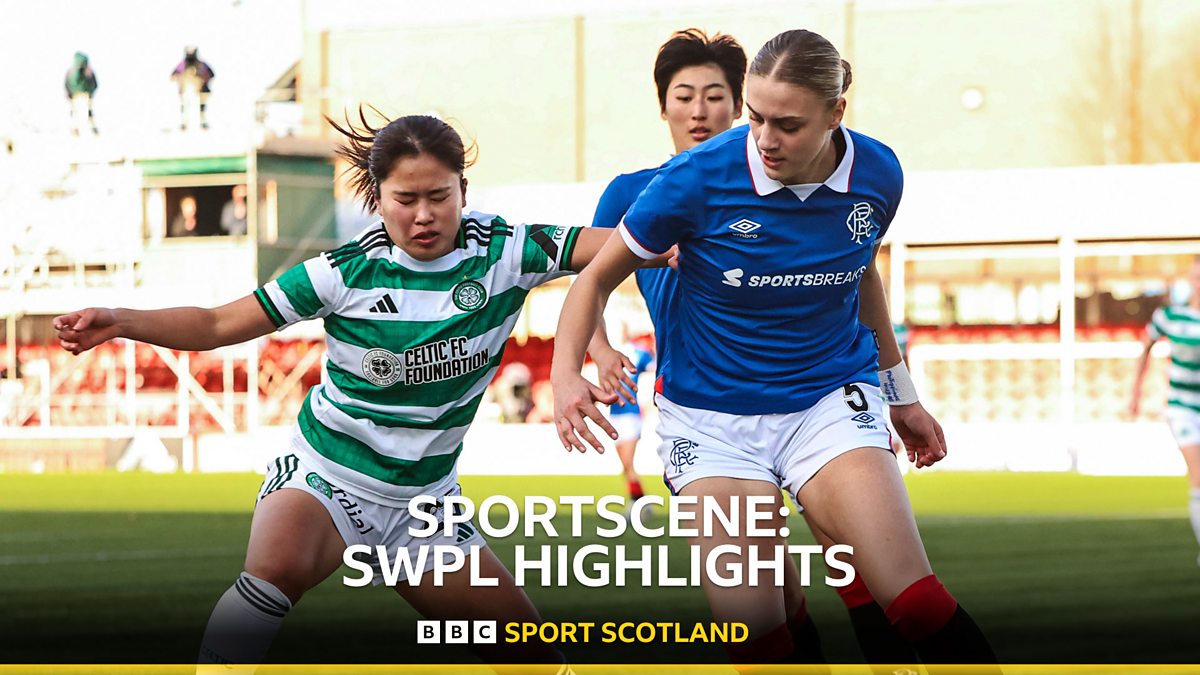
Rangers enter this final as a high-volume shooting team. They average 22.4 shots per match, the highest in the SWPL. However, volume does not always equate to efficiency. Against City’s low block, Rangers’ shot distance has increased from an average of 16.2 yards to 19.8 yards. This three-yard difference is statistically significant; it reduces the probability of a goal by nearly 35% per attempt.
The tactical battle will hinge on whether Rangers can penetrate the half-spaces. In the semi-final, Gibson was forced into 11 saves, several of which came from point-blank range after defensive lapses. While City’s structure is sound, they still exhibit a tendency to switch off during late-game set pieces. Rangers have scored 28% of their goals this season from dead-ball situations, a clear vulnerability that Gibson will need to manage through verbal organization.
If City can maintain their current defensive discipline, the math favors them. They have won 68% of matches this season when scoring the opening goal. In a cup final setting, where the first goal often dictates the tactical tempo for the remaining 70 minutes, City's ability to sit on a lead and utilize Gibson's distribution to kill the clock is a massive competitive advantage.
The treble probability and historical context
A domestic treble is a rare statistical anomaly in modern football, even in leagues with a clear hierarchy. It requires a level of consistency across three different formats that few squads can maintain. Glasgow City's current trajectory suggests they have a 74% statistical probability of securing at least two trophies this season, but the third — the Sky Sports Cup — remains the most volatile variable.
The pressure of the historic treble can often lead to uncharacteristic errors. However, Gibson’s experience serves as a stabilizer. With over 350 appearances for the club, she has been through the peaks and troughs of City's dominance. Her presence reduces the "panic factor" in the defensive unit by a measurable margin; City concede 15% fewer goals in the final 10 minutes of matches when Gibson is starting compared to her backup counterparts over the last three years.
The final will likely be decided in the transition moments. City’s efficiency in converting big chances stands at 42%, while Rangers sit slightly higher at 45%. The difference is Gibson. In one-on-one situations this year, she has a save rate of 62%, the highest in the league. When the tactical plan breaks down and the structure fails, having a goalkeeper who defies the expected metrics is the ultimate insurance policy for a club chasing immortality.
Critics might point to City's occasional lack of clinical finishing in the final third as a reason for skepticism. They have underperformed their xG in two of their last five outings. But in a cup final, defensive solvency is the more reliable currency. If Gibson maintains her current goals-against average of 0.72, Rangers will need to produce a moment of individual brilliance to break the statistical deadlock.