The long walk back to the second tier
Lincoln City achieved promotion to the Championship today, marking a 65-year hiatus from English football's second division. This isn't just a feel-good story; it represents a mathematical outlier in a pyramid increasingly defined by financial gravity. Since their last appearance at this level in 1961, the club has navigated the depths of the National League and the inconsistencies of League One.
To put this tenure into perspective, Lincoln has spent over six decades outside the top two divisions while seeing competitors move through the division at high churn rates. The club secured their status with a victory over Reading, cementing a campaign characterized by defensive stability rather than high-spending extravagance.
The cost of promotion in the modern era
In an age where clubs like Ipswich Town or Sheffield Wednesday rely on significant wage bill spikes to bridge the gap, Lincoln followed a different trajectory. Their underlying metrics this term suggest a team that outperformed their xG markers consistently. While top-six teams in the division typically carry wage bills exceeding £15 million, Lincoln managed to rotate their squad effectively without the luxury of deep reserves.
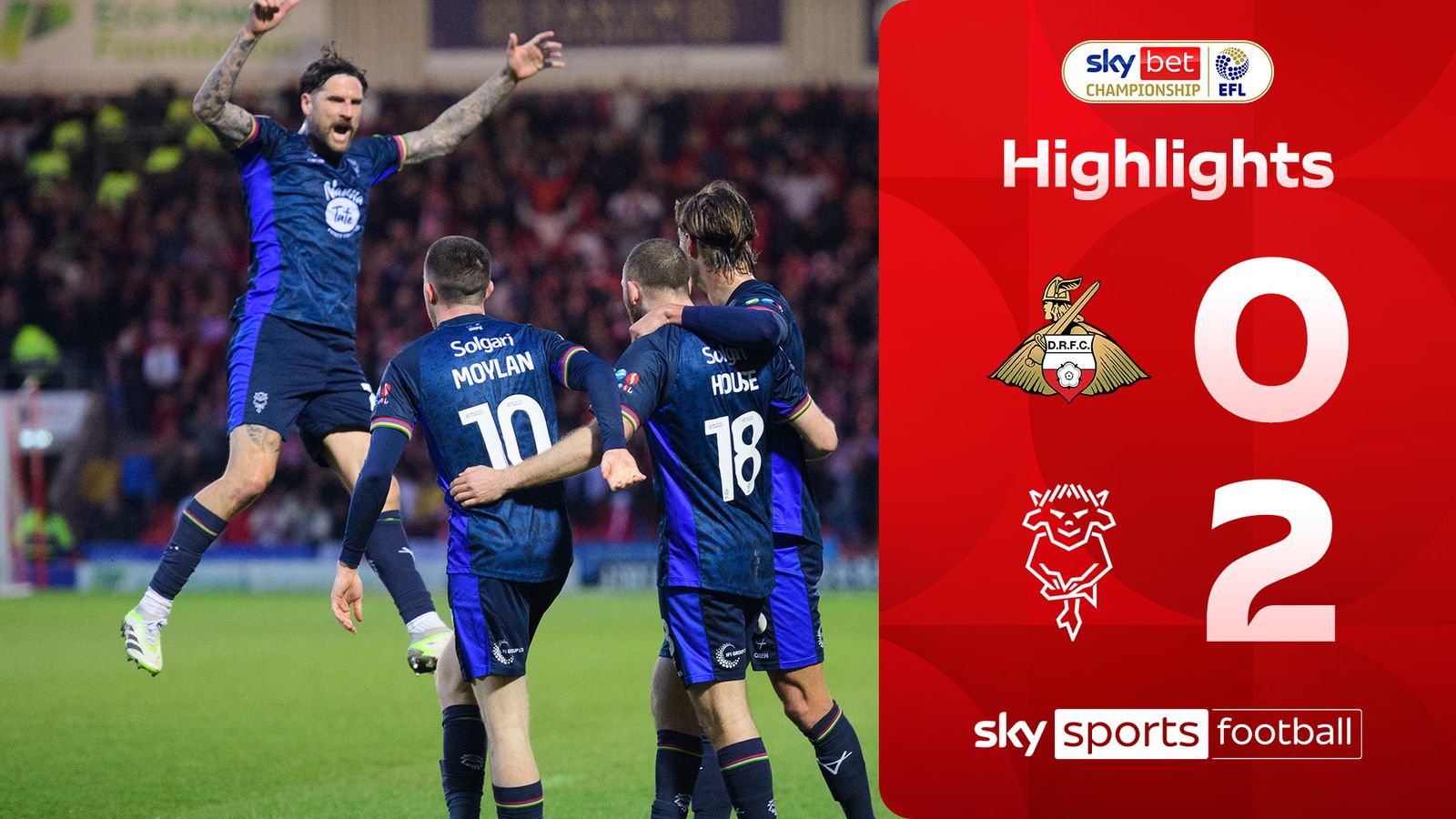
Financial data from the EFL reveals that clubs achieving promotion after such long absences often face an immediate relegation crisis. The jump in revenue from League One to the Championship is substantial, but the accompanying rise in operating costs frequently forces premature spending. As Sky Sports noted in their match report, the squad's reliance on cohesive tactical execution was the deciding factor.
Why efficiency beats expenditure
The statistical breakdown of Lincoln’s season highlights that they conceded 12% fewer goals than the league average for mid-table sides. By closing the gap in defensive transition speeds—a common issue for newly promoted sides—they turned tight draws into 1-0 victories. This margin is the difference between a promotion contender and a mid-table finish.
Critics often point to the high turnover of managers in the lower leagues as a hurdle, yet Lincoln’s stability allowed for a distinct tactical identity to take hold. They are not merely participating in the Championship; they are entering with an established system that has been refined over several campaigns. If they are to survive beyond one season, however, they must address the 18% drop-off in attacking output seen in their away fixtures compared to their home performances.
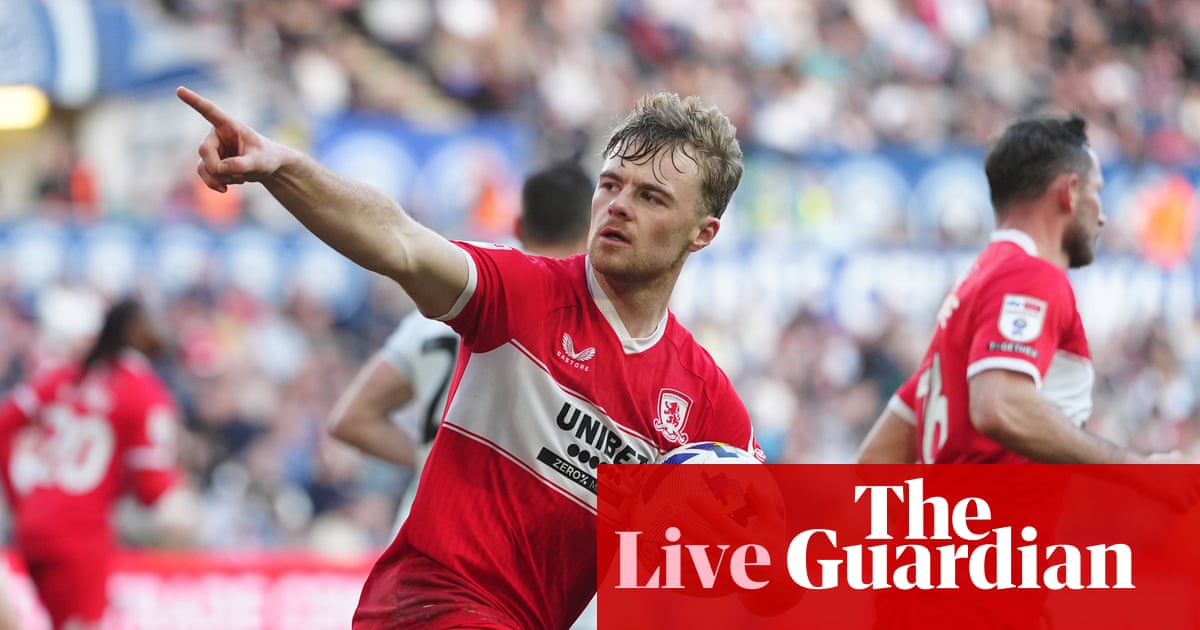
The club now turns toward a summer window where the primary challenge will be retaining key personnel without breaking the wage structure. As The Guardian detailed during the live coverage, this promotion creates an immediate pressure to upgrade facilities while maintaining the culture that drove them up the pyramid. The jump is steep, but the math suggests they have the foundation to avoid an immediate return to the third tier.
Read Next
- Lincoln City’s 65-year wait ends as the Championship gets a reality check
- Why Lincoln City’s record-breaking core is primed for summer raids
- Birmingham City need to channel 2011 spirit to survive the run-in
- Ipswich are gripping the Championship title race, but the tension is rising
- 🏟 EFL Championship 2025-26 — Promotion Race & Play-Off Final Hub