Liverpool's medical staff faces a late-season crisis
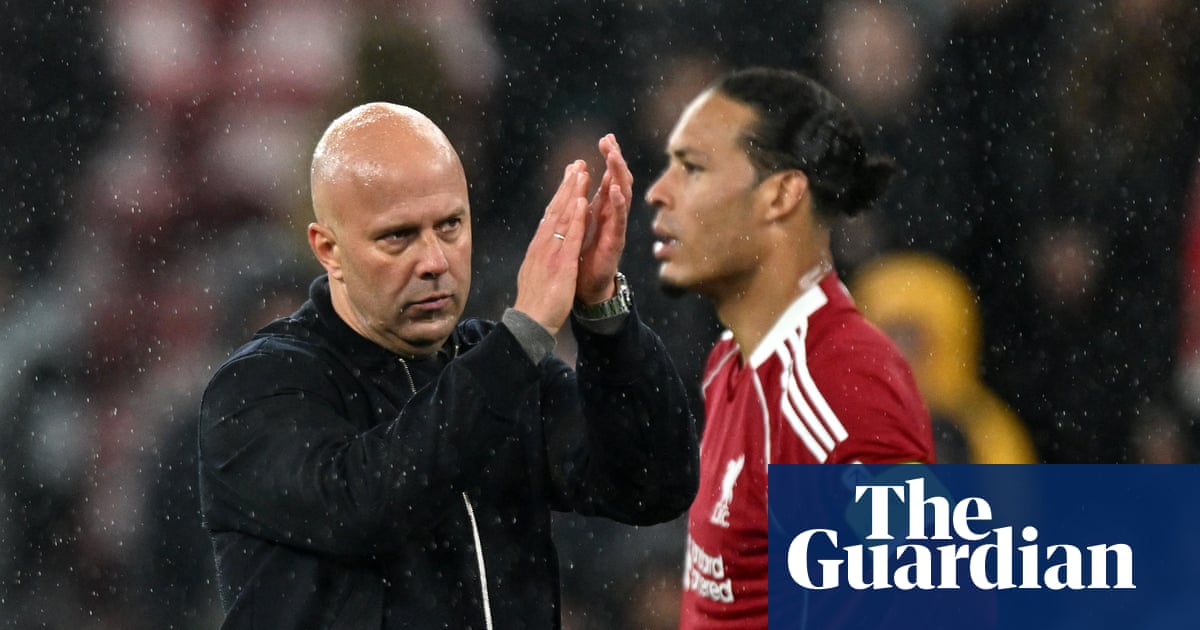
The Anfield treatment room is far from empty as the club approaches tomorrow's Champions League final on May 28, 2026. While the squad travels to the venue, internal reports confirm multiple players are undergoing round-the-clock clearance protocols. Management remains tight-lipped regarding specific scan results, but the physical intensity of the late-season push has left rotation options depleted.
Key personnel are trending toward match-day decisions rather than confirmed starters. The medical staff has not issued a formal recovery timeline for the recurring soft tissue issues that haunted the squad throughout April and early May. These setbacks are typical for a team pressing an aggressive high-line defensive strategy into the final weeks of the calendar.
The cost of high-intensity tactical setups
Liverpool’s current injury cluster serves as a reminder of the fragility inherent in high-press systems. When players like Mohamed Salah operate consistently at elite output levels, the margin for error narrows. Graeme Souness recently remarked on the tension surrounding individual performance versus team reliance, as noted in recent Sky Sports coverage. The frustration expressed by club legends often stems from these inevitable physical breakdowns.
This is not a new narrative for the club. Historical data from the 2020-21 campaign shows similar defensive turnover rates, where central defensive injuries nearly derailed the title defense. The reliance on heavy-rotation reserves has historically led to a drop-off in coordination during critical tournament stretches. The current staff is managing this by limiting field time during training sessions this week.
Tactical implications for the final
Managing the upcoming UCL final requires navigating these availability gaps. If core starters are forced to play through minor discomfort, the risk of mid-game flare-ups increases significantly. Tactically, this limits the manager’s ability to use all five substitutions effectively, as bench options are being saved for late-game defensive reinforcements rather than tactical shifts.
Competitors have identified this lack of depth as the primary chink in the armor. Opposing analysts are likely scripting transition plays that specifically target these less-mobile defenders who are carrying niggling injuries. Being forced to play a conservative transition game in a final is often the prelude to a narrow defeat. Managing player health is as much a tactical battle as the positioning on the pitch itself.
The shadow of the World Cup
With the 2026 FIFA World Cup kickoff just 15 days away, the pressure on players to mask symptoms is at an all-time high. International call-ups weigh heavily on the minds of those dealing with recurring strains. The club faces the delicate task of preserving assets for the club final while players prioritize their national team availability.
History suggests that players returning from international duty after pushing through injuries often face extended recovery periods the following autumn. The lack of a true break between the tournament and domestic preseason puts the current squad in a precarious spot. Failure to handle these minor injuries today creates a deficit that carries over into the next fiscal year.
Strategic risk vs reward
The coaching staff must decide if playing a slightly diminished top-tier player is superior to starting a fully fit substitute. Historically, in high-stakes matches, the tactical intelligence of the starters often overrides their physical limitations. However, the data confirms that sprint speeds drop after the 65th minute for players compensating for muscle fatigue.
If the game enters extra time, the injury list becomes a major liability. Squad depth issues have hampered the team all season, and the absence of clear leadership in the training ground rotation is a recurring frustration for fans. A lack of proactive squad management in the January window is currently manifesting as a thin bench for the biggest match of the year.
The return to form hinges on successful conditioning post-final. Fans should expect several players to opt out of early international qualifiers to undergo corrective rehabilitation. Any attempt to skip this window will inevitably lead to a recurrence of these current issues before the start of the next season. The focus now is simply survival through the 90 minutes in front of them.
Read Next
- Top 10: Defining Football Moments of the 2025/26 Season
- Sergej Jakirović is failing upward and he is not going to apologize for it
- Tottenham's injury review has the entire timeline losing its mind
- Jamie Vardy is leaving Cremonese and the internet is losing its mind
- 🏆 UCL Final 2026 — Munich May 28 — Full Coverage Hub