Liverpool aim for attacking overhaul
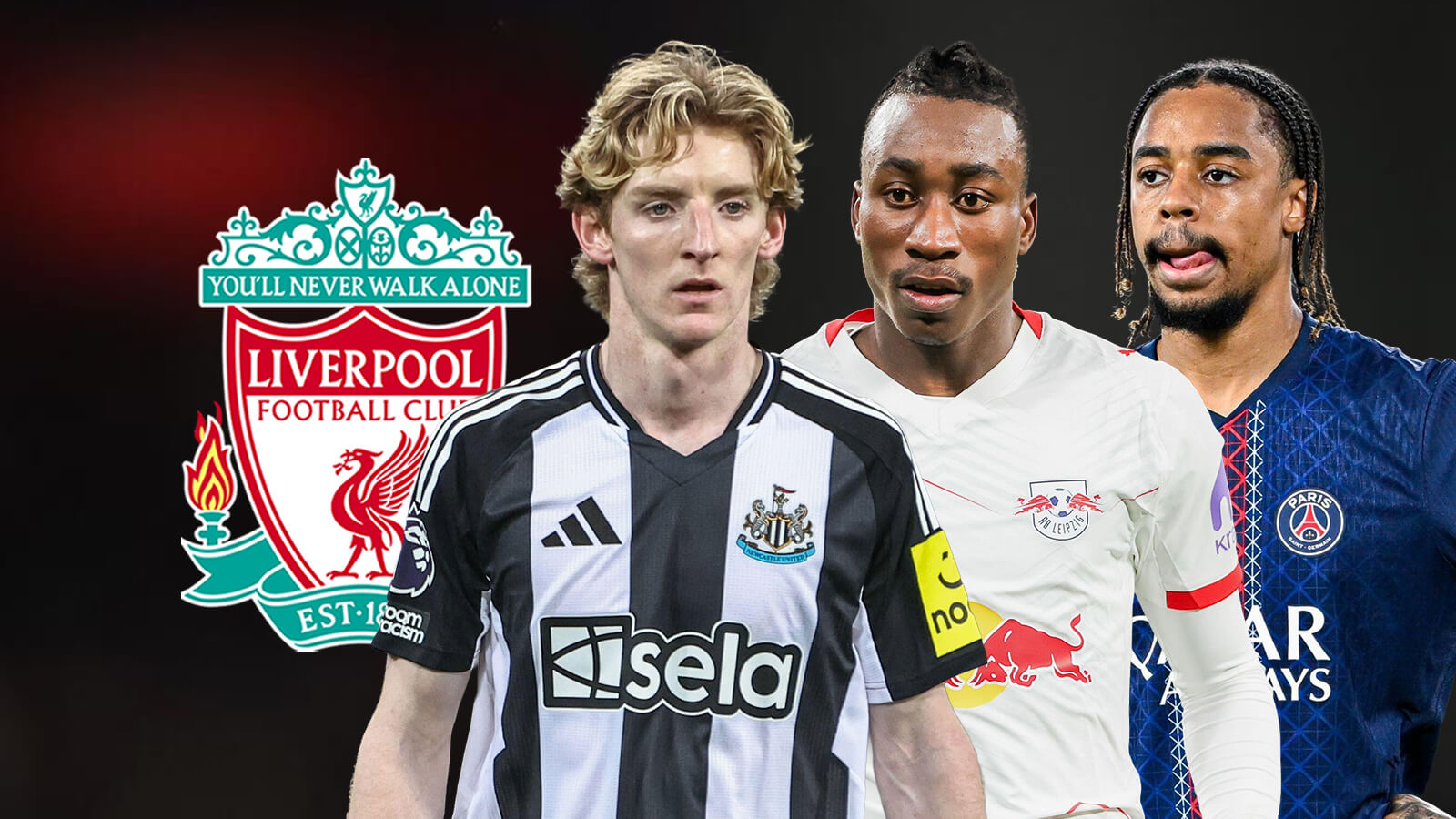
Liverpool are moving fast to reshape their forward line before the window truly opens. Reports indicate the club is accelerating negotiations for a double signing that could reshape their tactical identity under new leadership. The total package for these deals is pegged at 164m.
This aggressive recruitment strategy centers on two specific wingers. The primary target, a forward coming off a campaign with 31 goal contributions, is the club's priority. Sources suggest Liverpool currently lead the race for his signature, with a valuation estimated at 52m. This player profiles as a direct, high-volume creator capable of thriving in the wide-forward roles that define modern Premier League pressing structures.
Alongside this move, Yan Diomande has emerged as the second half of the double signing. Bringing in two players with distinct skill sets allows for tactical flexibility that was missing during the final weeks of the previous campaign. While the investment is significant, it signals a clear departure from the more cautious approach seen in recent windows. Football365 reports that the club is now the frontrunner to close both deals.
Manchester United shift to mid-season planning
Old Trafford is focusing on restructuring the engine room. Midfielder Cristian Orozco is confirmed to join the club next month, providing immediate depth to a central unit that struggled for consistency last season. This acquisition follows a period of quiet negotiation, moving away from the high-profile public chases that defined previous years.
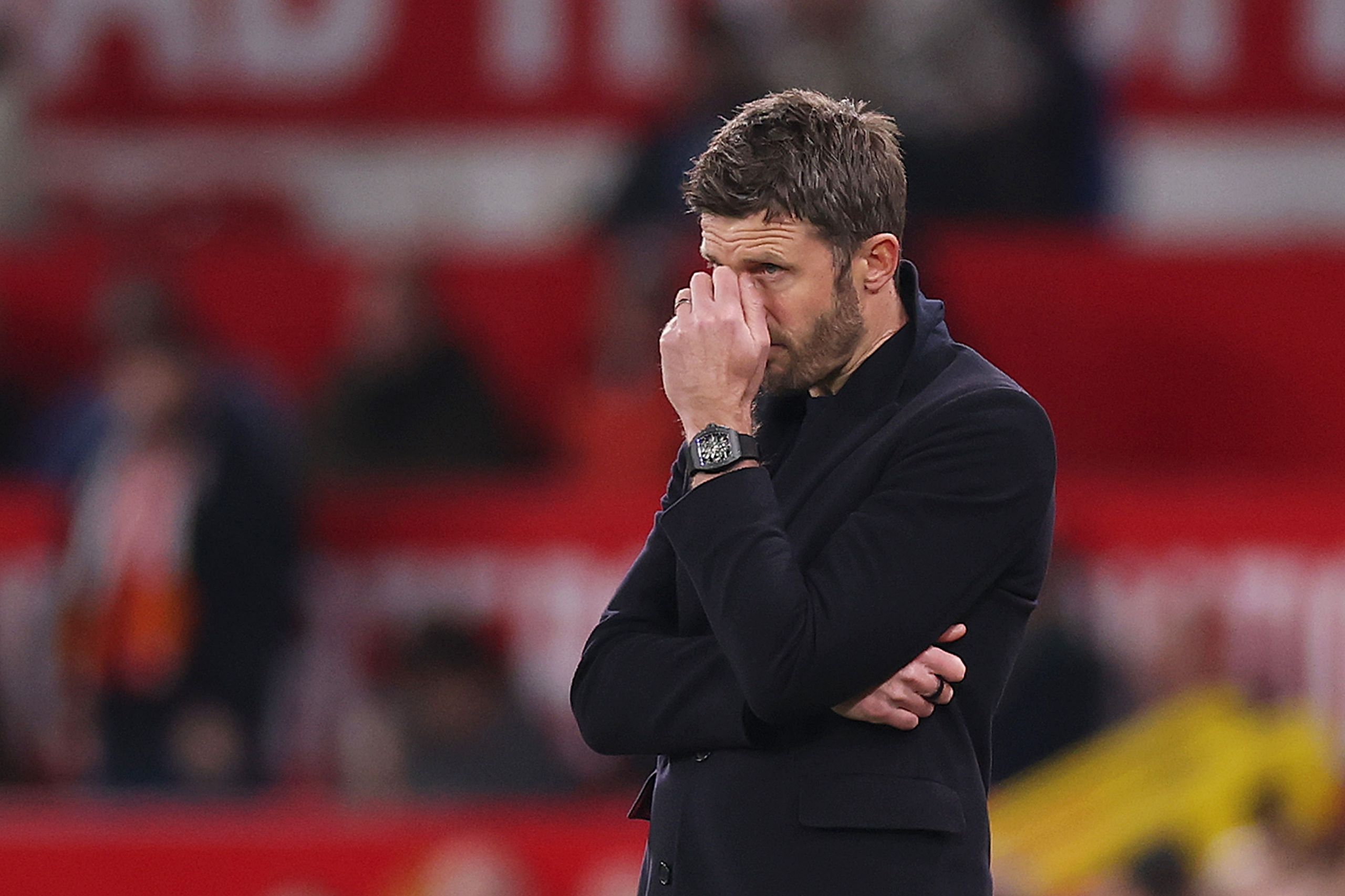
The move for Orozco is not occurring in a vacuum. Michael Carrick is simultaneously finalizing two other transfers as his own project takes shape elsewhere. While United supporters focus on the incoming talent, the focus on younger, scalable profile players like Orozco suggests a specific recruitment mandate. It is a necessary shift for a team needing high-intensity pressing from their deepest central midfielders.
Arsenal face unwanted staff exodus
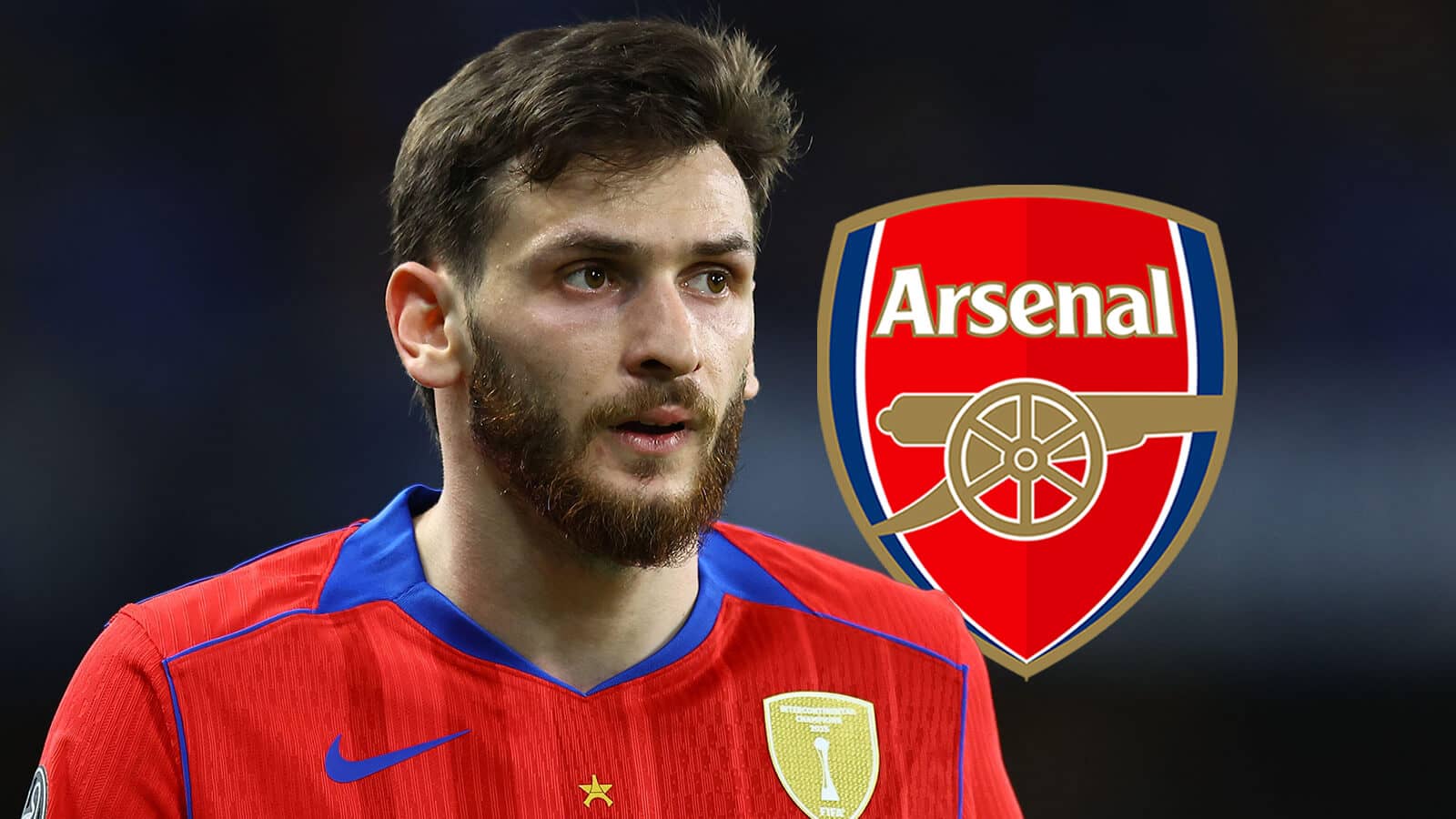
Disruption at London Colney is reaching a peak today. Arsenal is set to lose two significant pillars of their backroom team, which will undoubtedly hamper the transition period between seasons. The departure of head doctor Zafar Iqbal is particularly stinging, as his department was instrumental in maintaining squad fitness during congested fixture lists.
Max Porter is also exiting after a nine-year tenure, heading to Stoke City. Losing a coach with that much institutional knowledge is rare in the current climate. It creates a vacuum in the Under-21 setup that Mikel Arteta must fill quickly to avoid stalling the progression of academy talent into the first team. Mirror Football confirmed the nature of these departures earlier this morning.
Analytical probability and market context
The probability of the Liverpool double swoop resides in the 'high' category given the club's current leverage in negotiations. The financial outlay is steep, suggesting the recruitment team has already cleared the necessary room on the wage bill to accommodate two major arrivals. However, integrating two attacking players simultaneously is a risk, particularly given the defensive lapses that occasionally plagued the team in 2026.
For United, the probability is near absolute. The deal for Orozco is already agreed upon and merely waiting for the July cycle to formalize. The only question mark is how he adjusts to the physical demand of the Premier League compared to his previous environment. Further details from Mirror Football suggest the club plans to integrate him into the pre-season training camp from day one.
The cost of moving forward
The downside of these moves is the potential fragmentation of established team chemistry. Liverpool are effectively replacing consistent output with high-upside potential, which rarely works without a bedding-in period. Meanwhile, Arsenal's staff departures highlight an overlooked problem: the loss of expertise behind the scenes is often more damaging than a missed transfer window.
If these deals cross the line, the landscape of the top four competition will look vastly different by the time the World Cup ends. Teams banking on stability might find themselves outpaced by these aggressive maneuvers. Success will be determined not by the price tag, but by the speed of integration before the league restart.