
FIFA and Manchester United are failing at the worst possible time
Chaos in the corridors of power
Two days before the 2026 World Cup opens, the internal machinery required to run a global competition is misfiring. The news that Omar Artan has been denied entry to the United States serves as an indictment of the governing body's preparation. FIFA cannot simply pivot on its elite officiating list forty-eight hours out without consequences.
This absence creates a void in the middle of the roster. When a referee of Artan's standing is removed from the rotation, the downstream effect on assignments is heavy. Match officials operate as a specialized unit, and replacing one doesn't just shuffle the schedule; it disturbs the rhythm of teams that have already been briefed on officiating tendencies. We are watching a clear breakdown in logistics.
The transfer market usually provides a chaotic contrast to international tournaments, but this summer, the elite clubs are mirroring FIFA's disarray. Manchester United, in particular, appear to be drifting. While the world looks toward the opening match, the club is burning hours on recruitment talk that lacks any tactical anchor.
The Old Trafford transfer fever dream
Manchester United’s current trajectory suggests they have abandoned the principle of squad profile. Instead of addressing the deep-lying patterns of their midfield, they are linked to a scattergun collection of names that defy a singular tactical vision. You cannot build a winning side by collecting high-profile players who play in disparate systems.
The lack of a coherent plan is visible in their recent activity. Rather than fixing the spacing issues that plagued them throughout the last campaign, the club treats the window like a clearance sale. If you look at their shot maps from last season, the reliance on low-probability efforts from distance indicates a team that has lost its structure in the final third.
This is where the footballing failure matches the administrative one. Recruitment must follow a set of tactical mandates, not a list of perceived value-buys or marketing opportunities. When a club loses its identity in the transfer market, it shows on the pitch by the 15th minute of a game. Players end up drifting into zones where they aren’t effective because the manager’s plan has no room for their natural skill sets.
Tactical drift and administrative failure
We see this in smaller clubs as well, though the stakes are lower. When a youth player leaves a setup like Brentford for a club like Falkirk, there is at least a clear development pathway involved. That is the opposite of what is happening at the top end of the game right now. FIFA is failing at the macro level, and the biggest clubs are failing at the micro level.
The lack of foresight regarding Artan’s visa status for the tournament in the United States is particularly glaring. It suggests a disconnect between the legal departments responsible for travel and the sporting departments responsible for the matches themselves. When human factors like entry documentation collide with the rigid demands of a World Cup, athletes and fans are the ones who pay the price.
Expect to see erratic officiating in the group stages as a direct result of these eleventh-hour changes. If FIFA’s internal communication is this disjointed, the VAR protocols will likely suffer, too. Decision-makers in the booth rely on established relationships with the on-field staff. Breaking those patterns this close to the opening whistle is a recipe for disaster.
Ultimately, these two stories represent a single issue: a lack of rigor. Manchester United needs a director of football who understands how to build a squad for a specific formation, just as FIFA needs a travel department that understands the reality of global border logistics. Without it, the next few weeks will be defined more by errors than by the actual quality of the matches. We are witnessing professional organizations operating like amateur operations at the global stage.
The numbers indicate a drop in passing accuracy for United teams without a clear goal-setting structure, falling below 78% across the last three months of the season. If they don't rectify their recruitment strategy, that trend will continue to plummet. Efficiency is not an option; it is a requirement. Both at Old Trafford and in the FIFA officials' offices, it is an afterthought.
Read Next
The Age of Football: Soccer and the 21st Century by David Goldblatt
A deep dive into the global impact of the beautiful game.
Frequently Asked Questions
Why is FIFA facing officiating chaos before the 2026 World Cup?
What is the primary criticism of Manchester United's transfer strategy?
How does poor recruitment affect Manchester United's performance on the pitch?
What evidence indicates Manchester United's lack of structure?
What does the Omar Artan visa situation reveal about FIFA?
More Coverage
Matheus Fernandes is the tactical reset Manchester United desperately need
an hour ago
FIFA World Cup 2026: The injury report early in tournament play
3 hours ago
Michael Oliver benched before he even blows a whistle
4 hours ago
Why Manchester United should target Bosnian defensive talent this summer
5 hours ago
Mateus Fernandes snubbing Arsenal for United is absolute comedy
6 hours ago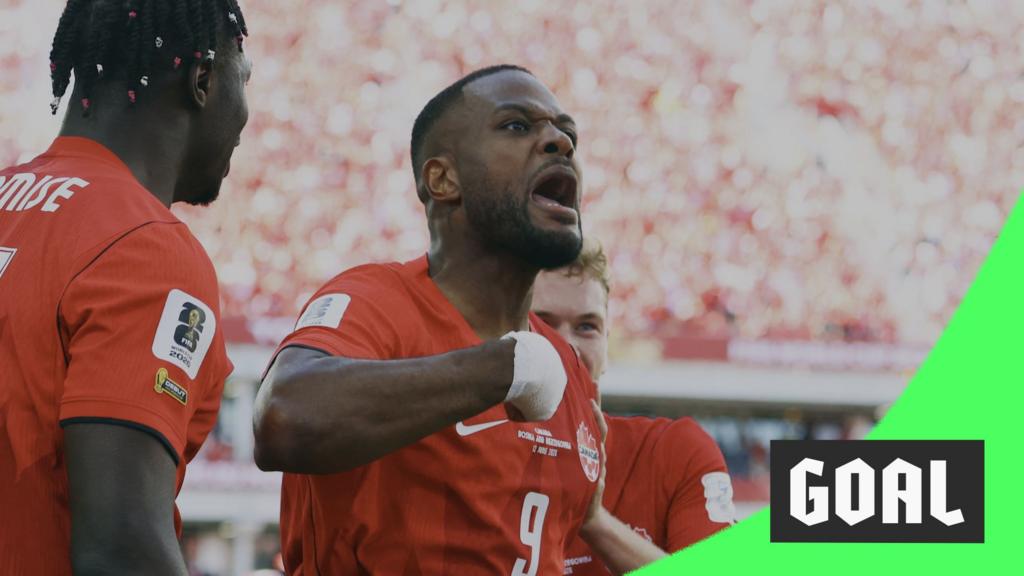
Canada avoids disaster with a late lifeline from Larin
7 hours agoMore Analysis

FIFA's World Cup officiating crisis is already here
3 days, 20 hours ago
FIFA's reputation hangs by a thread as the World Cup kicks off
2 days, 13 hours ago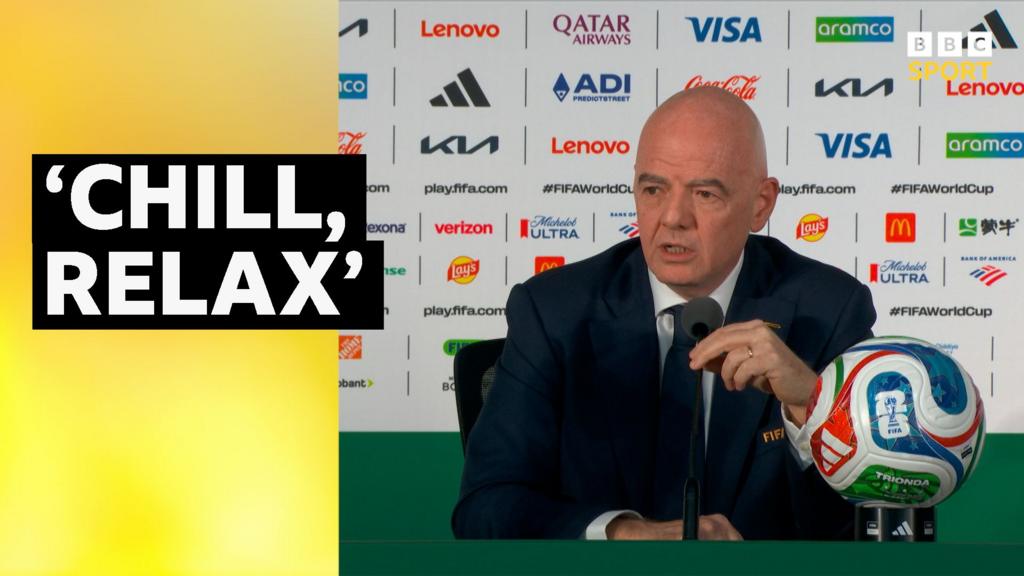
Infantino is missing the point as the 2026 World Cup begins
2 days, 7 hours ago
FIFA's 2026 rulebook is a chaotic mess for the opening kickoff
1 day, 8 hours ago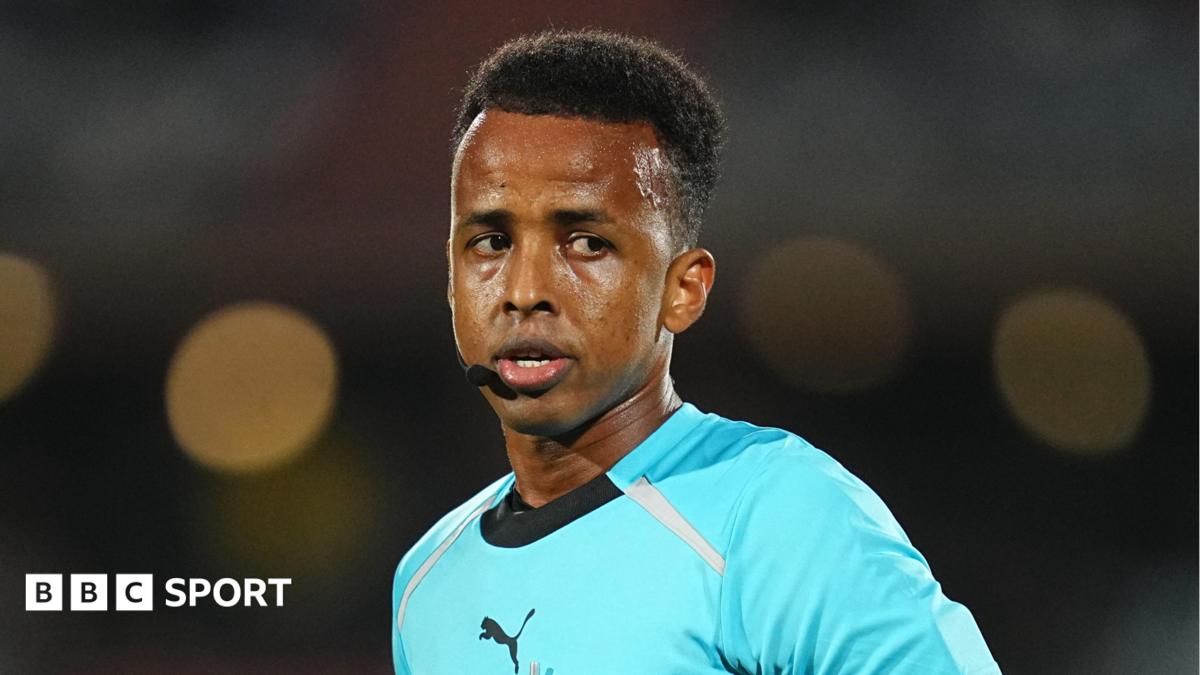
Bureaucratic incompetence threatens the 2026 World Cup integrity
3 days, 13 hours ago