Defensive fragility under the microscope
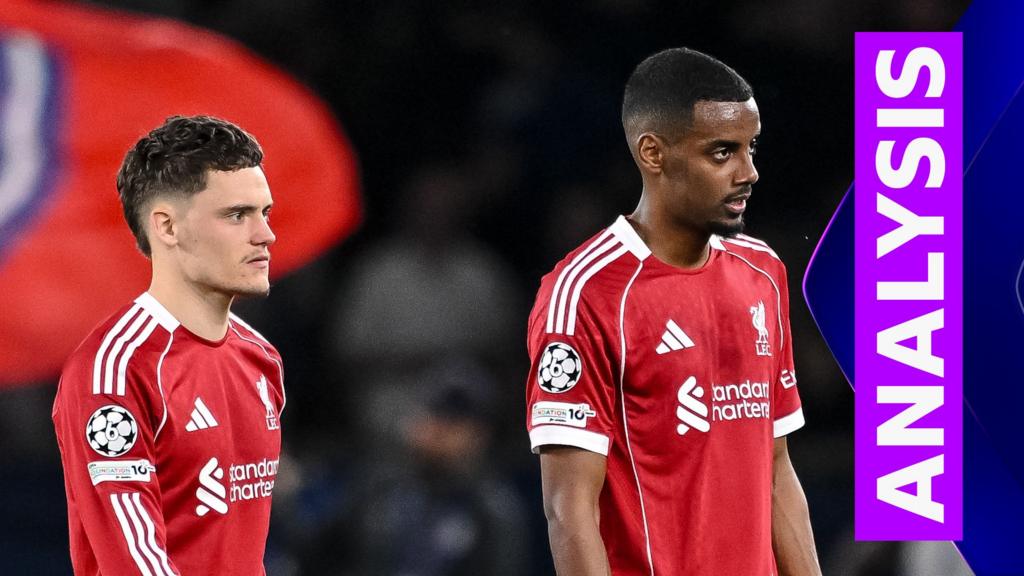
Liverpool’s recent defensive performance against Paris Saint-Germain highlighted more than just a lack of communication. The opening goal conceded on Wednesday night during the Champions League clash exposed a recurring weakness in the high line. Steven Gerrard pointedly identified poor individual positioning as the catalyst for the concede, marking a failure from one of his expected stalwarts.
The defensive unit has struggled to maintain structural integrity under pressure throughout this campaign. When the midfield press fails to trigger, the backline is left isolated against pace-oriented attackers like those fielded by PSG. Liverpool’s failure to drop back quickly during transition moments resulted in a 1-0 deficit that fundamentally altered the match tempo.
The cost of tactical rigidity
Managers often preach bravery in defensive setups, but the reality for Liverpool has been a frequent reliance on hope rather than prevention. While the offense remains elite, the defensive lapses are becoming difficult to ignore. This issue is not new; it mirrors trends seen in previous seasons where quick counter-attacking sides dismantled the press with direct vertical passing.
As Mirror Football reported, Gerrard’s critique centered on a specific lapse in judgment by the defensive personnel. It is a harsh reality for players expected to anchor a team with title aspirations. The lack of cover whenever the wing-backs push high is a glaring hole. Opponents are now actively baiting this specific movement to create space.
The road ahead for the backline
With the return leg looming on April 14, adjustments must happen fast. The squad lacks a natural disruptor who can slow down the tempo when things become chaotic. If the coaching staff fails to prioritize structural discipline over the instinct to push everyone forward, the Champions League run could end abruptly.
Fitness levels are currently high, but the mental fatigue associated with this defensive system is beginning to show. Players are reacting late to diagonal balls, suggesting either a lack of film study or a physical decline caused by the relentless fixture congestion of this spring. Every goal conceded in this manner serves as a reminder that individual brilliance can only mask structural flaws for so long.
Competitive implications for the squad
The wider impact on Liverpool’s season cannot be overstated. With a major trophy at stake, the margin for error effectively disappears during these knockout rounds. Other contenders in the tournament are watching these highlights with interest, likely crafting their own offensive plans based on PSG’s roadmap for success against this specific formation.
Management must decide whether to pivot to a more conservative defensive mid-block or double down on their current philosophy. Stickiness in the transition phase has historically dictated the ceiling of this current group. When they lose possession in the attacking third, the resulting scramble looks less like a system and more like panic.
Looking at the upcoming calendar, the intensity will only continue to rise. Between the league requirements and the European fixtures, the staff has limited time on the training pitch to fix these gaps. The current form of the defensive rotation will determine whether the club secures silverware or finishes empty-handed. Discipline in the 89th minute is worth as much as a goal in the first.
Ultimately, the criticism leveled by pundits is merely a reflection of the team's internal expectations. Liverpool has set a high bar, making these lapses feel more catastrophic than they might be for a mid-table side. The players are aware of the scrutiny, yet the same patterns of movement that lead to goals for the attack continue to allow goals against them.
Strategic analysis of the failures
Teams like PSG are perfectly built to punish the exact risks Liverpool takes. By playing on the edge of the offside trap, they force the defenders to make split-second decisions that leave the goalkeeper exposed. It is a high-risk, high-reward game that has lost its balance lately.
We are seeing less proactive interception work and more reactive sprinting. When a defender is forced to sprint toward their own goal, their effectiveness drops by at least 40 percent compared to challenging a player facing out. Changing this behavior requires more than just willpower; it requires a shift in the defensive line's depth.
The club has the personnel to be more dominant, which makes this phase of the season particularly frustrating for the fanbase. Improvement must not only occur on the field during matches like the one against PSG but must be drilled into the tactical foundation of every practice session leading up to the end of the competition cycle.
Read Next
- Liverpool's high-line gamble against PSG is a tactical dead end
- Liverpool must solve the PSG riddle before their season stalls
- Mo Salah's benching in Paris is either genius or a total suicide mission
- Liverpool survived the Paris circus but the Wirtz questions aren't going away
- ⚽ Ligue 1 2025-26 — PSG, Monaco & the Title Race Hub
- ⭐ UCL 2026 — Champions League Quarter-Finals Hub