
Liverpool's transfer strategy is showing cracks at the seams
The cost of moving on from reliable backup
Arne Slot occupies a seat that demands constant forward motion, but his handling of the Caoimhin Kelleher situation creates a lingering headache. By allowing the Ireland international to join Brentford for 18 million pounds last summer without securing a buy-back clause, Liverpool surrendered their most valuable insurance policy. Kelleher spent years as the understudy, often performing with a composure that suggested he was ready for a starting role in any top-half side. Watching him develop at a direct competitor rather than waiting in the wings at Anfield serves as a reminder that squad continuity in the Premier League often carries a high hidden cost.
The lack of a contractual mechanism to bring him back is a tactical frustration for a management team usually known for its precision. While the squad requires evolution, losing a goalkeeper who understands the club's high-pressing demands at that price point feels like a misalignment of long-term planning. It forces the club back into the market now, where prices are inflated by global competition and tournament performances.
The paradox of midfield recruitment
Liverpool’s current pursuit of midfield upgrades highlights a club balancing ambition with the harsh realities of a window inflated by the World Cup. Reports suggest FSG is accelerating a move for Adam Wharton, potentially crossing the 70 million pound mark to secure the playmaker. It is a massive financial commitment for a player who, while brilliant, does not necessarily solve the defensive spacing issues that Slot’s predecessor navigated so carefully.
The club has officially stepped back from the Dominic Szoboszlai transfer speculation, signaling they are prepared to stick with the assets currently on the training pitch. This is a gamble on internal growth versus the proven reliability of an established Premier League maestro. If they fail to secure their primary targets, the focus will turn toward the current roster's inability to control the tempo against sides sitting in a low block.
Tactical risks at the international level
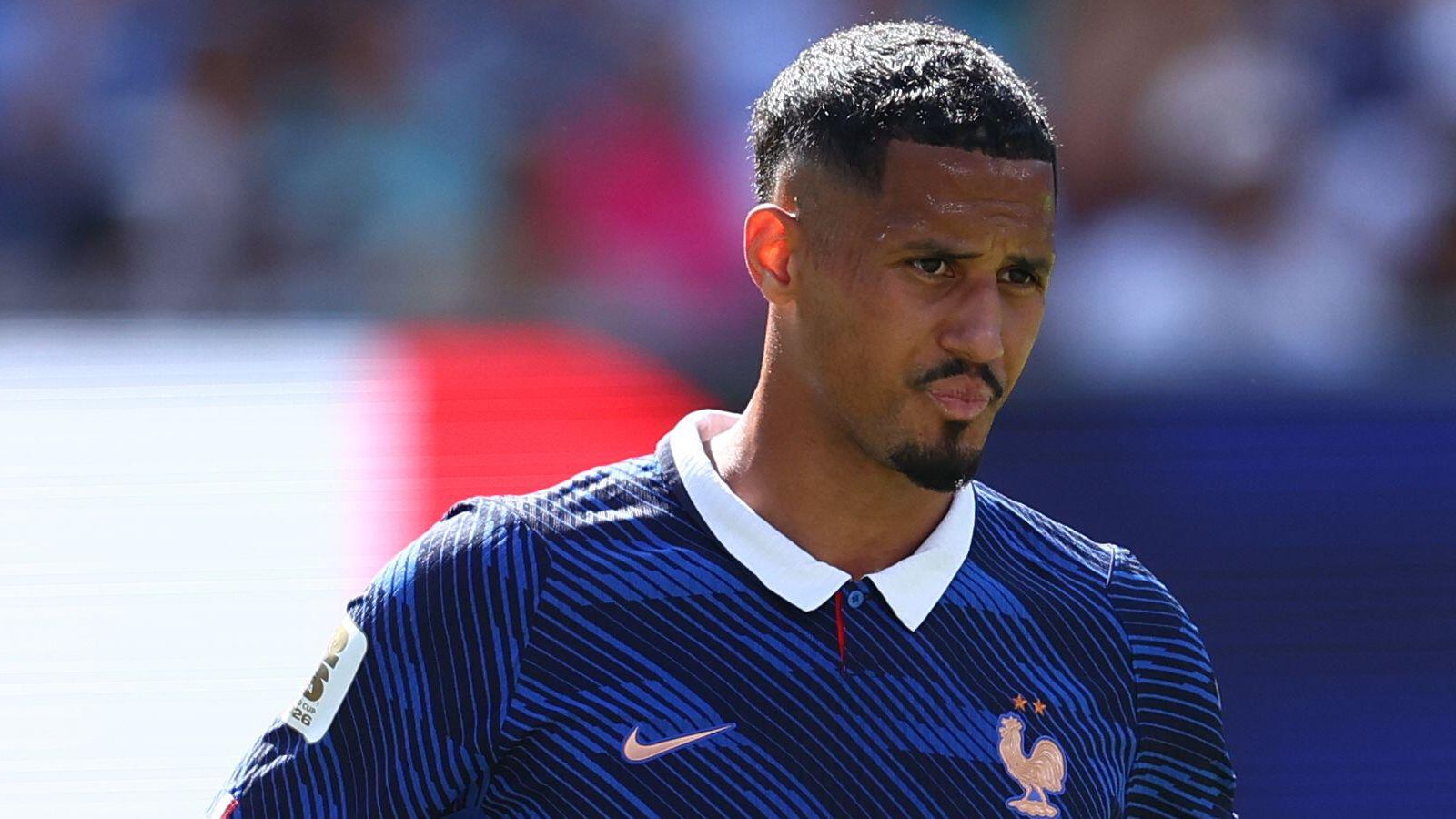
The broader conversation around elite squads often shifts to international tournaments, where aggressive positioning often backfires. France currently illustrates this tension perfectly. Their desire to dominate possession invites opponents to exploit the space directly behind the defense, a vulnerability that becomes magnified when the fullbacks push into the final third. As recent analysis suggests, having a superior attacking unit is rarely a sufficient shield against a disciplined counter-attacking opponent.
This is where the difference between a tournament winner and an early exit lies: the ability to recognize transitions before they occur. France's backline is currently playing on a knife-edge, favoring high defensive lines that rely on individual recovery pace rather than structural integrity. If they do not dial back the intensity of their high press, the attrition rate will accelerate by the knockout stages. It is a recurring theme in modern football: coaches prioritize the proactive phase of play while consistently underselling the risk of leaving the center-backs on an island.
Transfer windows are about avoiding gaps
While the market for elite talent remains, reported maneuvers by Manchester United show that clubs are increasingly focused on closing individual squad gaps early. Liverpool, however, finds itself in a cycle of replacing departing stars while negotiating for players whose market value has spiked due to summer exposure. The internal debate over whether to spend heavily on Wharton reflects a realization that holding their current ground might not reach the necessary point tally for a title challenge.
As TeamTalk reported, the pursuit for a new midfield engine is heating up, but the absence of a cohesive plan for the goalkeeper position remains a glaring oversight. Precision in the dugout must translate to the front office if they intend to challenge for the top honors. Without it, they are simply trading one problem for another while the competition spends with more intent.
Kwik Goal Adult Captain Armband
A durable, no-slip armband to lead your team on the pitch.
Frequently Asked Questions
Why is the loss of Caoimhin Kelleher considered a transfer failure?
Which player is Liverpool considering for a significant midfield upgrade?
What is the club's current status regarding Dominic Szoboszlai?
What tactical vulnerability does the article highlight in high-pressing teams?
How are international tournaments affecting Liverpool's transfer strategy?
More Coverage

Liverpool and Aston Villa in high-stakes race for Adam Wharton
an hour ago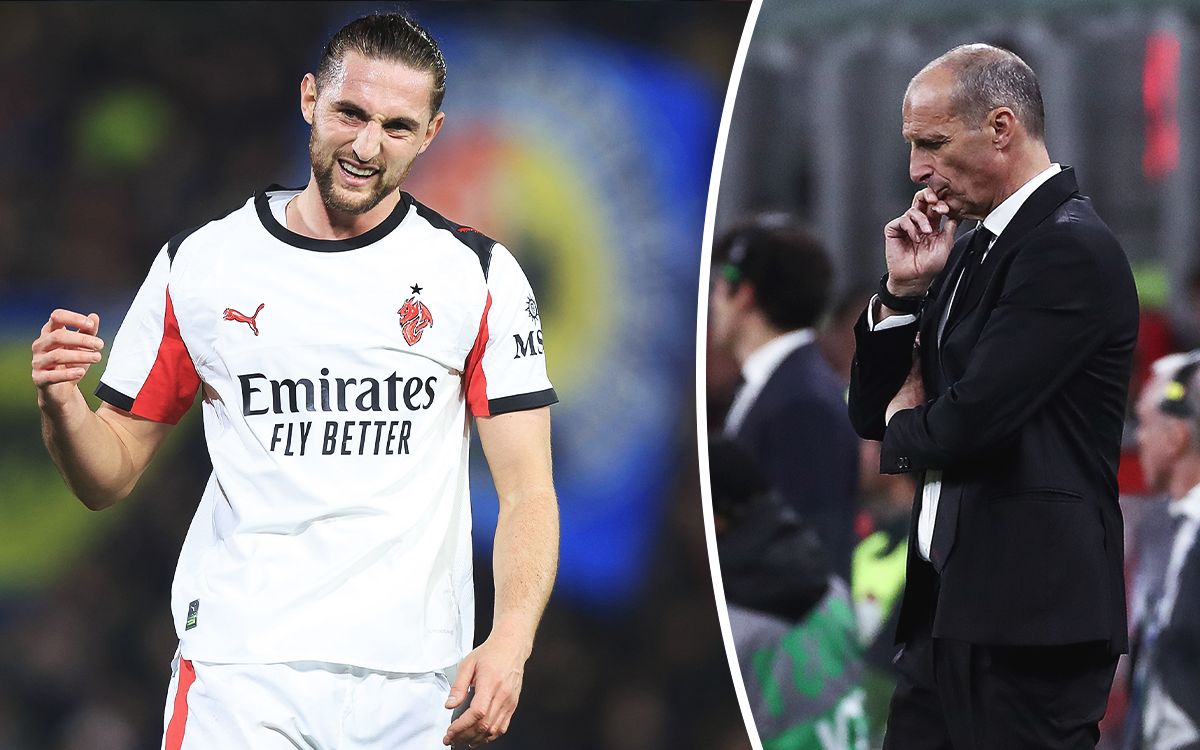
Fulham face a high-stakes summer after the Silva exit
an hour ago
Messi vs Mbappe is the only World Cup narrative that matters right now
an hour ago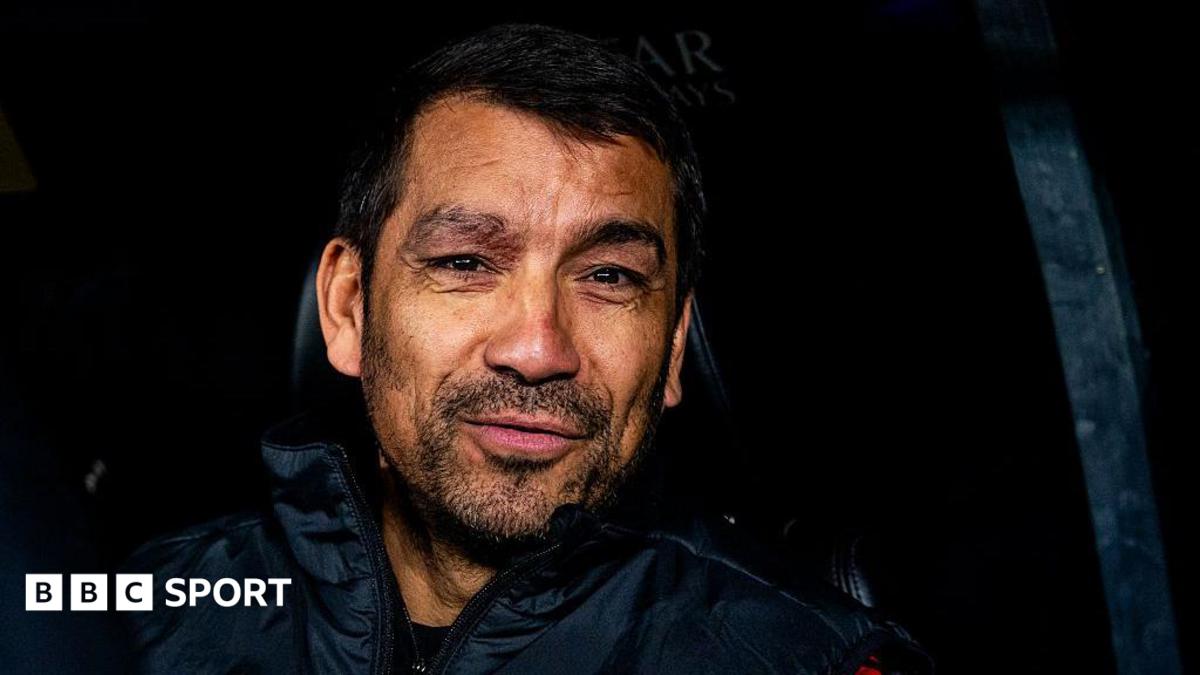
Giovanni van Bronckhorst returns to De Kuip with a heavy bill of health
2 hours ago
Arsenal's summer pivot and the looming Hull City financial crisis
3 hours ago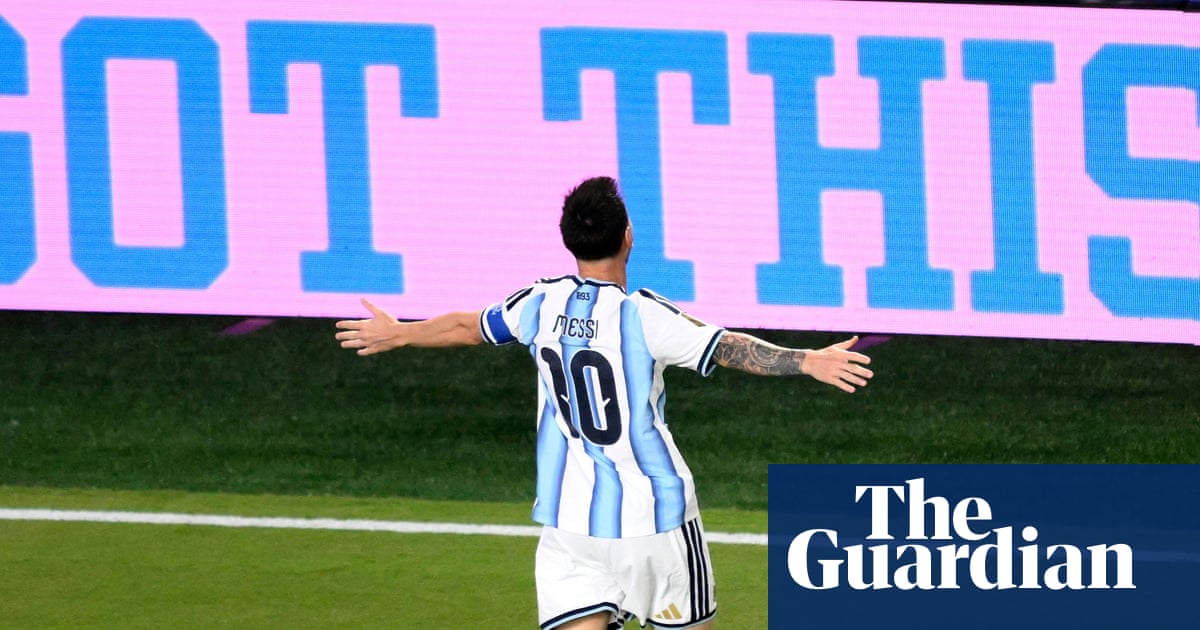
The World Cup striker battle is already spiraling out of control
3 hours agoMore Analysis
West Brom secure Barney Stewart in landmark Falkirk deal
an hour ago
Liverpool and Aston Villa in high-stakes race for Adam Wharton
an hour ago
Fulham face a high-stakes summer after the Silva exit
an hour ago
Top 10: The Portuguese Football Power Index
an hour ago
Gaël Clichy is stirring the pot and the internet is absolutely eating it up
an hour ago