Tier 3 but stating the obvious
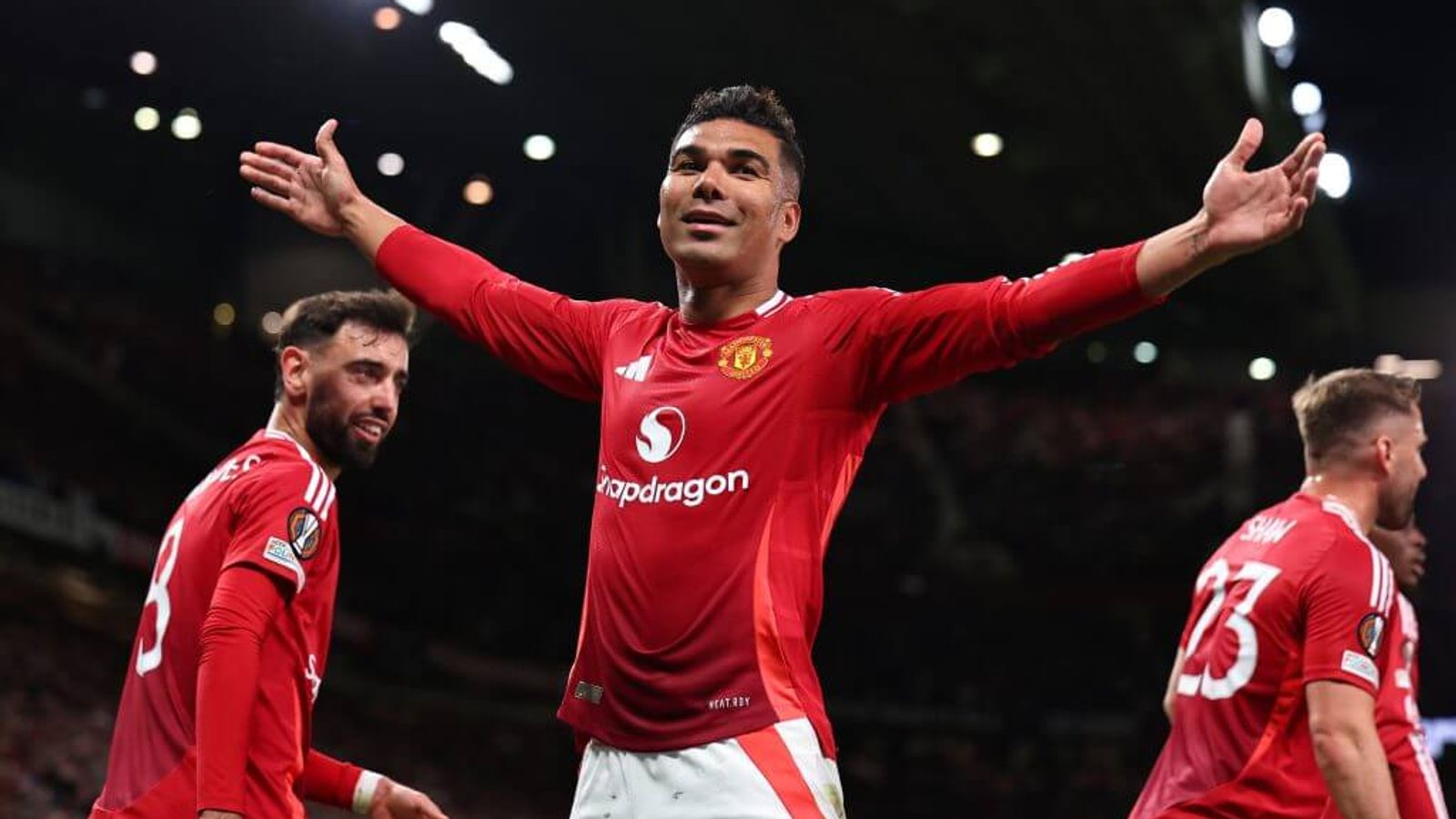
We are starting with a Tier 3 source today. The Mirror's latest dispatch frames Manchester United's summer window around a central, unavoidable objective. They have to replace Casemiro. The Brazilian's legs look heavy, the wages are massive, and Roy Keane has predictably weighed in on the harsh reality facing his former club.
Keane rarely misses a chance to highlight United's structural failings. His verdict points to a club that can no longer bully the market. When United knock on a door, agents know they are desperate. The "harsh reality" isn't just about missing out on primary targets. It is about paying a premium for secondary options while trying to offload aging stars.
Replacing a defensive midfielder at Old Trafford is never simple. You aren't just buying a player to win tackles. You are buying a player to cover massive transitional gaps. Erik ten Hag's system, or whatever version of it survives the summer, relies on isolated defenders and an overworked holding midfielder.
The noise around the club is deafening. Every week, a new name is thrown into the mix by European outlets. But the core truth remains unchanged. United are entering a critical transfer window from a position of profound weakness. They hold very few cards, and the rest of the league knows it.
The Casemiro Problem
Let us look at why this is happening now. Casemiro arrived as a five-time Champions League winner. He was a panic buy after the Frenkie de Jong pursuit collapsed in 2022. For one season, he looked like a revelation. He scored in finals, snapped into tackles, and held the midfield together through sheer willpower.
But the decline has been steep and unforgiving. Physical drop-offs in the Premier League happen fast. When a player relying on anticipation loses half a yard of pace, the entire system breaks. Teams bypass the United midfield with terrifying ease. They just run through the middle.
This isn't entirely on the Brazilian. Any player asked to cover the amount of ground between Bruno Fernandes and the center-backs is going to look completely exposed. But the reality remains. You cannot build a title-contending team around a holding midfielder who gets bypassed twice a half.
The financial side of the Casemiro problem is just as ugly. He sits on a massive contract that severely limits United's flexibility. Moving him on this summer will likely require a significant financial compromise. Saudi Pro League interest is always rumored, but relying on an external bailout is not a sustainable transfer strategy for a serious football club.
United are paying for their lack of foresight. They bought a player for the present without considering the immediate future. Now the future has arrived, and the midfield is essentially hollowed out whenever the opposition breaks at speed.
What Roy Keane Sees
Keane's assessment cuts directly to the bone. United have spent a decade cycling through midfielders without ever fixing the core issue. They bought Paul Pogba to be a savior. They bought Nemanja Matic when he was clearly past his absolute peak. They bought Fred and Scott McTominay, who tried hard but lacked elite distribution under pressure.
The harsh reality is that the absolute elite tier of holding midfielders — the Rodris, the Declan Rices — are untouchable. United are forced to shop in the tier below. They have to identify the next big thing before Real Madrid or Arsenal do. Historically, their scouting department has failed at exactly this task.
They are entering a summer window with INEOS fully in charge of football operations. Sir Jim Ratcliffe's team has promised a more analytical, ruthlessly efficient approach. But analytics only take you so far when the selling club demands £70m because they see the United badge on the letterhead.
Keane knows better than anyone that playing in midfield at Old Trafford requires a hardened, ruthless mentality. You are heavily scrutinized every single second you are on the pitch. One misplaced pass on a Sunday afternoon and you are the lead topic on every Monday morning podcast. Not every player with good underlying numbers can handle that psychological pressure.
The former captain's frustration is evident. He watches a team that lacks the basic aggression and spatial awareness required to compete at the top of the Premier League. The next signing has to fix both the tactical shape and the mentality of the entire squad.
The Tactical Fit for the Next Number Six
So what does the ideal target look like? First, they need immense athletic ability. The Premier League in 2026 is faster and more physically demanding than ever. The new signing has to win ground duels, intercept passes, and recover loose balls in the middle third.
Second, they need to partner with Kobbie Mainoo seamlessly. Mainoo is the clear future of the United midfield. He is brilliant in tight spaces, progressive on the ball, and brave in possession. But he is still developing. He needs a partner who allows him to float and take risks without leaving the back four entirely exposed.
The new holding player must be disciplined enough to sit deep when Mainoo steps forward. They cannot be a player who vacates their zone to chase the ball. Positional discipline is the single biggest flaw in the current United setup.
Distribution is the third non-negotiable trait. United struggle to control games. They play basketball matches. Back and forth, high transition, total chaos. A top-class number six slows the game down. They receive the ball from the center-backs under intense pressure, turn, and break the first line of the press with a crisp, vertical pass.
If you look across Europe, this exact profile is incredibly rare. You need the tackling of a traditional destroyer combined with the passing range of a deep-lying playmaker. Finding that combination, convincing the player to join a rebuilding United, and paying a reasonable fee is the impossible triangle INEOS has to solve this summer.
Benchmarking the Competition
To understand the scale of United's problem, you only need to look at their direct rivals. Every major club in Europe has prioritized midfield stability over the last two years. Liverpool rebuilt theirs completely last year, entirely transforming their engine room in a single window.
Chelsea spent an unbelievable amount of money securing Enzo Fernandez and Moises Caicedo. Arsenal went all in on Rice, recognizing that a dominant holding midfielder is the difference between competing for top four and competing for titles.
United are arriving late to the party. The harsh reality Keane references is a brutal seller's market. If United identify a top target in Ligue 1 or the Bundesliga, they will face immediate, aggressive competition from Bayern Munich or Paris Saint-Germain. Those clubs can offer immediate Champions League contention and a more stable working environment.
The INEOS approach will be severely tested here. Will they walk away if the price goes too high? In the past, Ed Woodward or Richard Arnold would panic and pay the asking price just to secure a recognizable name. Dan Ashworth and Omar Berrada are supposed to change that reactive culture entirely.
We might see United target a younger, significantly less proven profile. Instead of buying a 28-year-old finished product, they might move for a 22-year-old with elite physical traits. It is a riskier strategy, but it is the only way to avoid repeating the massive financial mistakes of the past decade.
Probability and Timeline
We saw this exact issue against Chelsea recently. The midfield simply ceased to exist in the final ten minutes. The gap between the attacking line and the defensive block stretched to thirty yards. A competent holding midfielder closes that gap, dictates the tempo, and kills the game. United had nobody capable of executing that basic function.
What are the chances United actually land a transformative midfielder this summer? The probability sits at medium. They will absolutely sign someone. The sheer necessity of the situation demands it. But whether they sign the correct profile is highly debatable given their recent track record.
The timeline is critical. United need this player in the building before pre-season starts. The last thing a new midfielder needs is to arrive in late August, completely missing the tactical implementation phase. They need a full pre-season to understand the pressing triggers and defensive spacing.
If United drag this out until deadline day, it will be an unmitigated disaster. The selling clubs will squeeze them for every single penny. The player will arrive with inflated expectations and zero tactical familiarity with their new teammates. Keane's warnings will look horribly prophetic by September.
The departure of Casemiro is the massive domino that has to fall first. His wages are a crippling burden on the books. If they can find a buyer early in the window, it unlocks the entire summer strategy. If he digs his heels in, the situation becomes instantly toxic and paralyzes their incoming business.
Ultimately, this summer will define the next three years at Old Trafford. You cannot build a successful team with a porous midfield. You cannot hide a bad number six in the modern game. Every flaw is exposed under the bright lights. Manchester United are staring down a brutal transfer window, and they simply cannot afford to miss.
Read Next