The Theatre of Sensible Dreams
Let’s get this out of the way. Manchester United, the club of Best, Law, and Charlton, the global commercial juggernaut that spent the last decade playing Football Manager with the cheat codes on, is reportedly spending its spring sending scouts to… Bournemouth. Yes, Bournemouth. Not Barcelona. Not Milan. The Vitality Stadium, not the Santiago Bernabéu. And you know what? It’s the sanest, most promising piece of news to come out of Old Trafford in a very, very long time.
For a fanbase raised on a diet of superstar signings and summer-long transfer sagas for players who barely knew the club existed, this feels like a culture shock. It’s like your friend who only wears Gucci suddenly showing up in a sensible pair of Marks & Spencer chinos. It’s jarring. It’s unglamorous. It is, however, absolutely necessary.
Repealing The Glazer Tax
For years, selling to Manchester United was the best business in football. A struggling club had an wantaway player? Just get a friendly journalist to link him to United. The price would instantly jump £20 million. It was the ‘Glazer Tax’, and a generation of selling clubs and agents got rich off it.
The results are written in red ink all over the club’s recent history. The £85 million spent on Antony looks more like a criminal investigation than a transfer. The £73 million for Jadon Sancho resulted in a player who is now happily rebuilding his career somewhere, anywhere, else. This wasn't team building; it was content creation. It was buying names to appease a furious fanbase, without any coherent plan for how they’d actually play football together.
Enter Sir Jim Ratcliffe and his INEOS cavalry. Their approach, honed in the unforgiving worlds of cycling and Formula 1 with Sir Dave Brailsford, is about process. It’s about marginal gains. It’s about finding undervalued assets, not paying the premium for the shiniest toy in the window. Scouting at Bournemouth isn’t a sign of decline; it’s the first sign of a coherent, modern strategy.
Why The Cherries? It's The System, Stupid
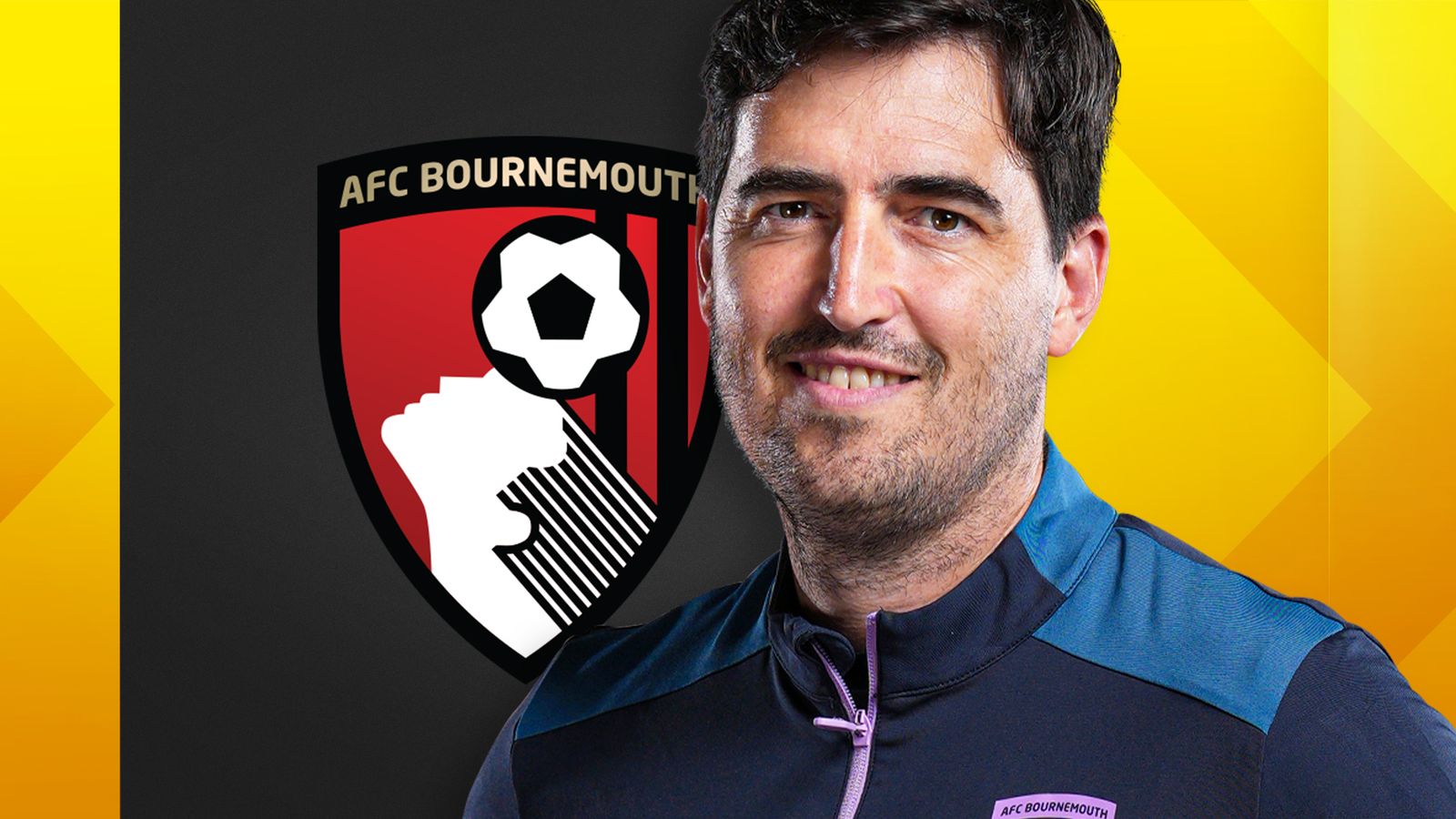
So why are United’s analysts suddenly interested in players from the south coast? The answer is one man: Andoni Iraola. The Basque manager has turned Bournemouth into a tactical nightmare for opponents. They are a relentless, high-pressing, vertically-oriented unit. Every player knows their role, their triggers, and is expected to run until their lungs give out. Sound familiar? It’s the blueprint for every successful modern team, and a style Erik ten Hag has been desperately trying, and often failing, to implement at United.
Buying a player from Iraola’s system is a shortcut. You’re not just buying talent; you’re buying tactical education. You’re signing a player who has already completed a master’s degree in the exact type of football you want to play. There’s less adaptation, less risk. You know they can handle the physical and mental demands because they’ve been doing it in the most physically demanding league in the world.
The Archetypes: Solanke and Kerkez
While the reports don't name names, you don't need to be a genius to figure out the profiles they're watching. Look no further than striker Dominic Solanke and left-back Milos Kerkez. They are two perfect archetypes of what this ‘new United’ should be targeting.
Solanke is the redemption story. A former prodigy at Chelsea and Liverpool, he was written off by many. At Bournemouth, he has been rebuilt into one of the league's most complete forwards. He can link play, run the channels, and, most importantly, he has become a reliable goalscorer, hovering around the 15-goal mark for consecutive seasons. He is Premier League-proven, hungry, and at a career peak. He represents buying a finished product that you know can survive the division, without the ego or the £300 million release clause.
Kerkez is the other side of the coin: the high-potential prospect. The Hungarian is a Tasmanian devil in football boots, a hyper-aggressive, fearless fullback who attacks every ball like it owes him money. He is raw, yes. His decision-making can be frantic. But the raw materials—the engine, the pace, the tenacity—are exactly what United have been missing on their left flank for years. Buying him now, before he makes the jump to a Champions League club, is the definition of smart scouting. It’s what United used to do with players like Evra and Vidić.
The Old Trafford Graveyard
Now for the cold water. The critical observation. Scouting these players is smart. Actually signing them and making them successful is another matter entirely. Manchester United has become a graveyard for promising talent. The club’s structure has been so toxic, so lacking in direction, that it has actively made good players worse.
Would Dominic Solanke thrive under the suffocating pressure of being United’s number 9, where every miss is a week-long news cycle? Or would he wilt like so many before him? Would Milos Kerkez’s raw potential be coached and refined, or would his first mistake see him banished to the bench, his confidence shattered, another expensive asset gathering dust?
This is the real test for INEOS. Fixing the scouting department is the easy part. Fixing the culture at Carrington, the environment that allows mediocrity to fester and talent to die, is the real challenge. Signing a player from Bournemouth for a sensible fee of, say, £40 million will generate positive headlines for a week. But if that player is on the bench a year later, it’s just another name on a long list of failures.
For now, though, this shift in focus is a welcome revolution. It’s a sign that the club is finally ready to prioritize building a football team over selling a commercial product. It’s an admission that the old way wasn't working. It will require patience, from the fans and from the board. But for the first time in a decade, it feels like Manchester United might finally be on the right track.