The Pep Guardiola era ends with a bureaucratic thud
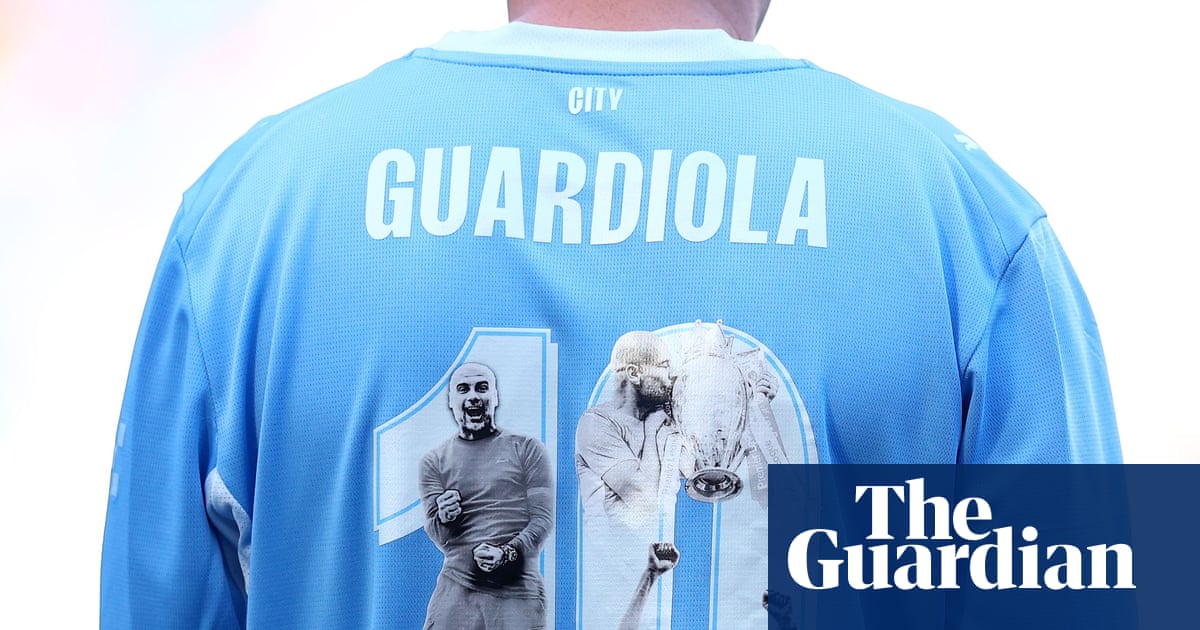
The transition from Pep Guardiola to the next cycle at the Etihad was always going to be seismic, but the optics from this week suggest a transition characterized more by legal skirmishes than strategic planning. Chairman Khaldoon Al Mubarak’s admission—noted across recent reports—that Guardiola threatened to walk away 100 times over his tenure frames his eventual departure not as a clean break, but as the final act of a long-simmering fatigue.
The issue now is the vacuum being filled by administrative chaos. The planned elevation of Enzo Maresca is currently stagnating in the weeds of legal proceedings initiated by Chelsea. While the club prepares for the post-Guardiola reality, they are fighting on multiple fronts, including aggressive posturing from Real Madrid presidential candidates using Erling Haaland’s name for political leverage.
Transfer market friction signals a cooling period
Beyond the managerial uncertainty, City’s recruitment process is showing signs of tactical misalignment. The club’s initial bid for Nottingham Forest’s Elliot Anderson was reportedly rejected, forcing a retreat and a search for a more refined strategy. Meanwhile, the squad faces internal pressure, with Newcastle United monitoring James Trafford as a potential £40m exit candidate. These aren't the moves of a club running smoothly.
City’s reputation as an unstoppable recruitment machine is taking hits. Competing with Arsenal for high-ceiling talent while simultaneously addressing these legal fires requires a managerial hand that currently remains in legal purgatory. The recruitment team needs to pivot away from high-stakes headlines and stabilize the squad’s core before the season kicks off next week.
Defining the tactical pivot
The stakes for the upcoming season are clear: prove the system functions without its architect. Guardiola’s reliance on specific pressing triggers and inverted full-back rotations left a blueprint, but human capital matters more than system theory in the Premier League. The current noise—the potential Haaland-to-Real distractions and the Maresca contract dispute—threatens to erode the focus of a side that lived off intensity.
Watching City in the early weeks of the season will be a study in defensive transition. If the midfield pivots lose the level of control Guardiola demanded, the back line will be exposed far more frequently than the 0.84 xGA per game they averaged last term. The margin for error in the Premier League has vanished, and the leadership at the Etihad is currently looking more distracted than disciplined.
The verdict: A test of organizational resilience
My prediction for the opening month? A stuttering start characterized by tactical indecision as the squad adjusts to an uncertain succession. Expect the team to drop points against lower-to-mid-table opposition in the first three weeks while the lawyers dictate the training ground personnel. The 100-time threat of leaving from Pep created a culture of recurring instability that even the most pristine organization eventually struggles to manage.
City’s internal resilience will be tested long before the Champions League fixtures return in the autumn. The board has handled the transition poorly by allowing the Maresca situation to mirror the acrimonious exit dynamics often seen in smaller clubs. If they don't resolve the legal blockage by the time the squad reconvenes, the 2026/27 campaign might be defined by what they failed to do in June rather than their historic achievements.
Read Next
- Enzo Maresca is inheriting a ticking clock at Manchester City
- Manchester City are entering a post-Pep reality
- Manchester City's chaotic summer transition begins with Forest and Chelsea talks
- Manchester City's interest in Anderson signals a necessary midfield pivot
- ⭐ UCL 2026 — Champions League Quarter-Finals Hub