The end of the Guardiola era
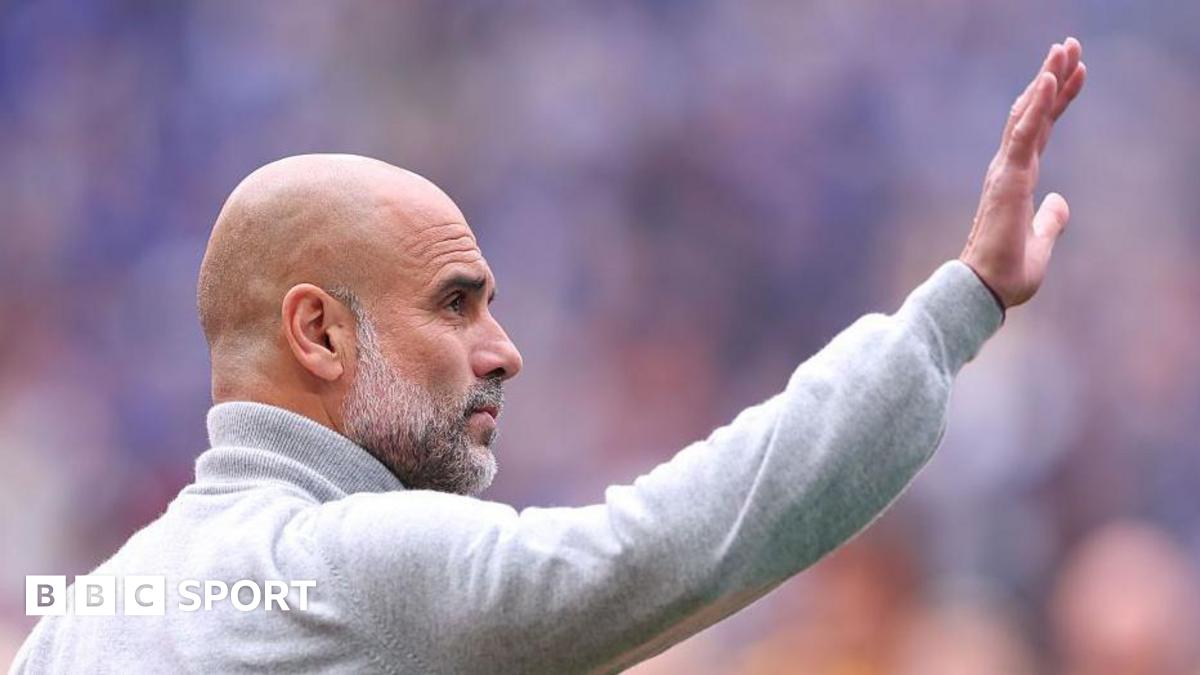
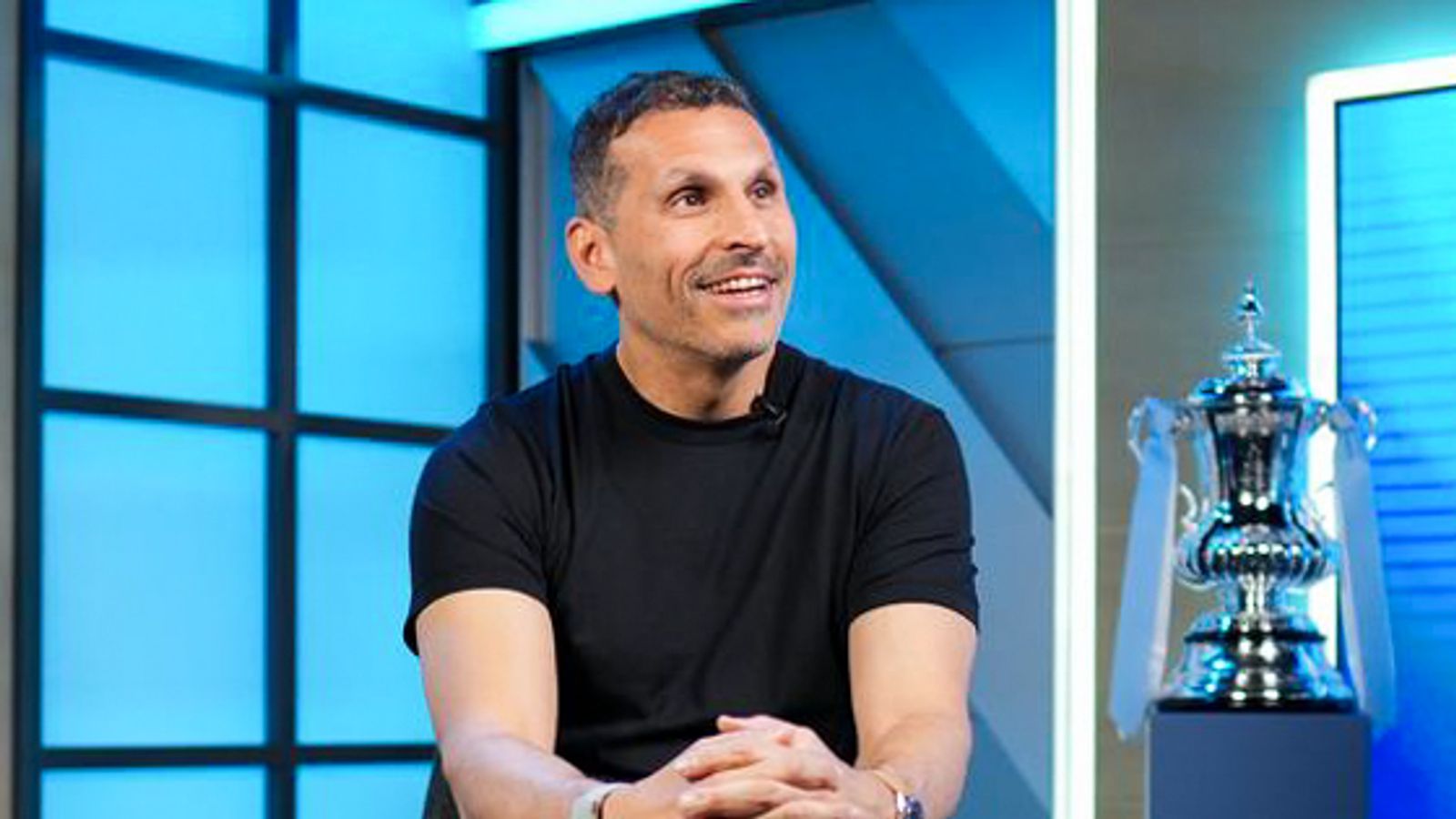
Manchester City chairman Khaldoon Al Mubarak confirmed this week that the club has a clear succession plan for life after Pep Guardiola. With the manager’s current contract set to expire at the end of the 2026/27 campaign, the transition process is no longer a hypothetical. City have operated under Guardiola for a decade, securing an unprecedented level of dominance in the Premier League. The departure will mark the conclusion of a period defined by 4 league titles in 5 years.
Statistical fingerprints of a dynasty
Guardiola’s impact on the club’s output remains staggering. Since taking over in 2016, City has maintained an average possession figure exceeding 65% across all competitions. This control-heavy approach led to their historic treble in 2023, where they scored 150 goals across all formats, a club record. The team’s ability to sustain high-press metrics while maintaining an 89% passing accuracy is the primary driver of their title accumulation.
Yet, recent data suggests a slight cooling in defensive metrics compared to the 2018/19 peak. While the team still secures top-tier points totals, their Expected Goals Against (xGA) has trended upward by 0.3 per match over the last two seasons. This suggests that the current squad, while technically gifted, is increasingly reliant on individual brilliance rather than collective defensive infallibility.
Defining the next move
Al Mubarak’s comments regarding the summer transfer window indicate a shift towards tactical refreshment rather than wholesale replacement. The focus is on integrating youth talent to lower the squad's average age, which currently sits at 27.4 years. This is a deliberate pivot from the heavy investment in established stars that characterized the 2020–2022 period.
City’s internal scouting, as reported by Sky Sports, emphasizes versatility in the final third. The club has identified targets who can operate in at least two attacking roles, aiming to replicate the fluidity Guardiola demanded. This flexibility is a direct response to the increasing density of low-block defenses faced in the Premier League, where opponents now frequently deploy five-man backlines to stifle City's half-space progression.
The reality of succession risk
Replacing a manager who averages 2.4 points per game is a logistical nightmare for any sporting director. Manchester City faces the challenge of maintaining continuity while modernizing the tactical setup. The club’s reliance on Guardiola’s specific structural principles creates a bottleneck if the next appointment attempts a radical departure. Any tactical shift will likely lead to a temporary dip in efficiency unless the recruitment team secures high-profile replacements for key aging assets.
Ultimately, City is pivoting toward a future where the structure is bigger than the individual. By focusing on sustainable transition, they are attempting to avoid the post-title stagnation that affected other top-flight clubs in the past. Whether this succeeds hinges on maintaining a win percentage above 70% during the transition year. If they drop below this threshold, the pressure on the board to deviate from their succession plan will reach an all-time high.
Read Next
- Arsenal's transfer strategy is hiding an obvious missing piece
- Liverpool's defensive gamble rests on Ousmane Diomande
- Manchester City's chaotic summer transition begins with Forest and Chelsea talks
- Elliot Anderson injury status complicates Man City transfer plans
- ⭐ UCL 2026 — Champions League Quarter-Finals Hub