
Manchester United are chasing the wrong defensive priorities

The defensive reshuffle at Old Trafford lacks foresight
Manchester United’s reported interest in Lewis Hall and Antonee Robinson signals a familiar desperation. With a return to the Champions League on the horizon, the recruitment department appears to be pivoting toward Premier League experience rather than true tactical evolution. While identifying reliable full-backs is a logical start, the decision to target high-fee domestic talent suggests a fixation on pedigree over positional fit.
Lewis Hall offers undeniable technical promise. The 21-year-old’s ability to tuck into midfield mimics modern inverted-fullback roles seen at Manchester City or Arsenal. However, relying on a player who has spent most of his tenure adjusting to defensive rigor is a gamble when the threshold for success at United is unforgiving. If the board prioritizes Hall at the expense of a commanding center-back, they risk repeating the errors of the past three seasons.
Antonee Robinson presents a different set of tactical constraints. His primary value lies in his recovery pace and aggressive high-pressing triggers, which are undeniably useful in transition-heavy systems. Yet, his final ball consistency remains a valid concern for a team that relies heavily on breaking down low blocks. When the opposition sits deep, Robinson’s inability to deliver precise cutbacks often forces the ball back into unthreatening zones.
The financial outlay implied by these pursuits is staggering. Premier League clubs carry a premium that often outstrips international talent of comparable output. By narrowing their shortlist to domestic options, as The Mirror reported, United are effectively inflating their own expenditure. Every million spent on a marginal full-back is a million stripped from the budget for a clinical goalscorer or a defensive midfielder who can actually screen the back line.
Tactical rigidity isn't a transfer strategy
The Champions League litmus test
Competing in Europe requires tactical fluidity that United currently lacks. Playing against teams capable of exploiting space behind a high line, the current defensive structure looks hollow. Adding pacey full-backs is a bandage, not a cure. If the opposition draws United’s defensive line out of shape, static holding midfielders leave the transition phase wide open for vertical passing lanes.
The data suggests that the personnel at the back are less of a problem than the connectivity between the midfield and the defensive third. Even the best full-backs in the world cannot fix a broken pressing structure. If the wingers aren't tracking back to close the half-space, Hall or Robinson will find themselves isolated in one-on-one scenarios against elite European wingers. This puts immense pressure on central defenders to step out of their zone, which inevitably leads to defensive collapse.
Recent history shows that United’s recruitment bias leads to high-profile stagnancy. We have seen managers attempt to build rigid defensive blocks only to see them dismantled by agile attackers who can disrupt the spacing protocols. The club needs players who can dictate the game’s tempo, not just athletes who can handle the physical intensity of a Premier League match.
The defensive goal difference from the previous year highlights the fragility of the current setup. In games where United conceded more than 1.8 xG, the transition play was consistently catastrophic. Without a tactical shift in how the team defends as a single unit, doubling down on defensive signings will yield the same mediocre results. It is time for the recruitment staff to abandon the domestic-first philosophy and prioritize tactical intelligence over simple athletic output.
Frequently Asked Questions
Why are Lewis Hall and Antonee Robinson linked to Manchester United?
What are the tactical concerns regarding signing Lewis Hall?
What are the drawbacks of targeting Antonee Robinson?
How does the Premier League transfer premium affect United's budget?
Why might new fullbacks fail to fix United's defensive issues?
More Coverage
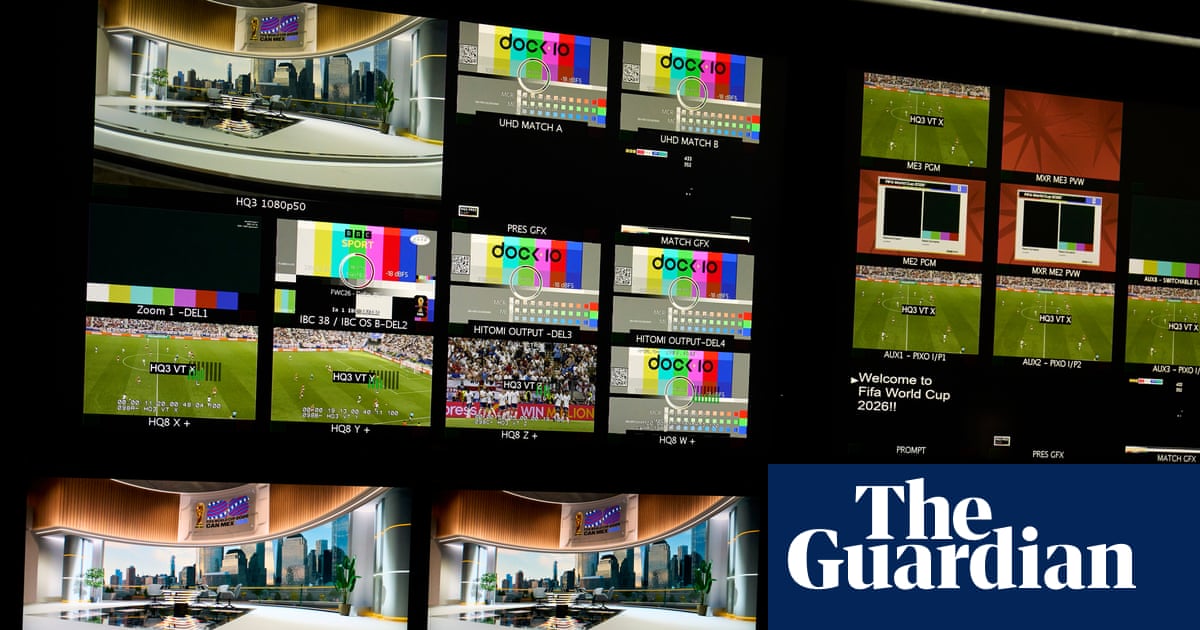
World Cup broadcasting has reached a crossroads
3 hours ago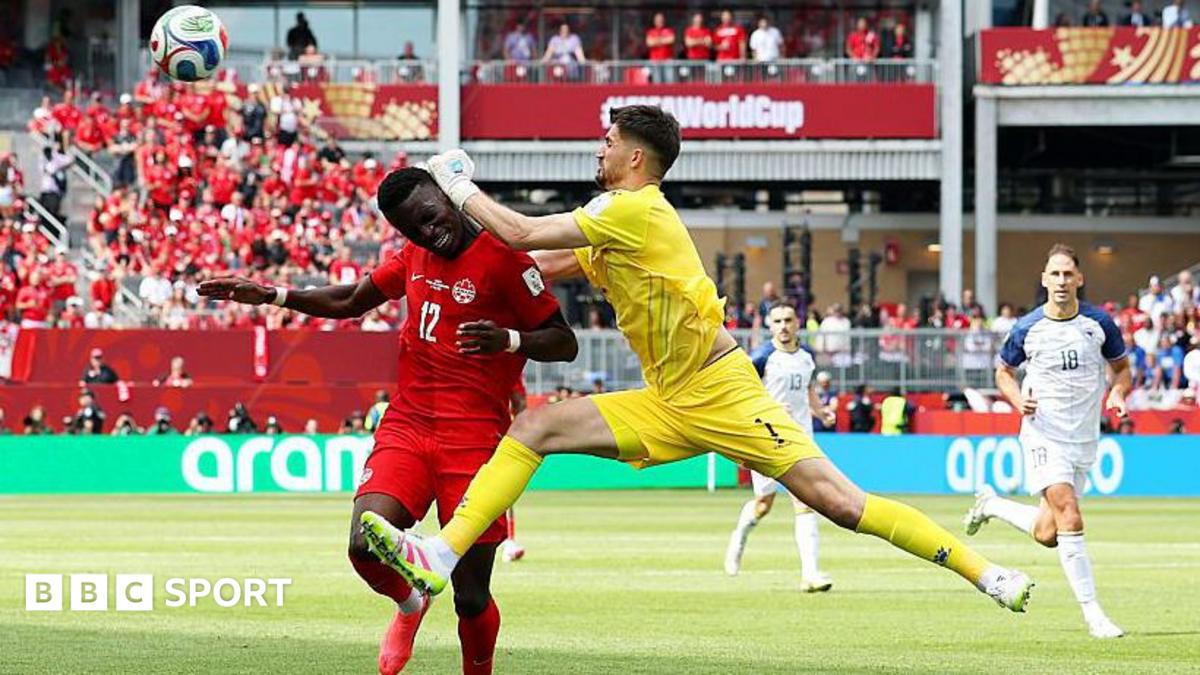
Why Manchester United should target Bosnian defensive talent this summer
3 hours ago
Mateus Fernandes snubbing Arsenal for United is absolute comedy
4 hours ago
Real Madrid are adding Bernardo Silva to a squad that is already unfair
6 hours ago
Xabi Alonso is already shaking up the Chelsea squad
7 hours ago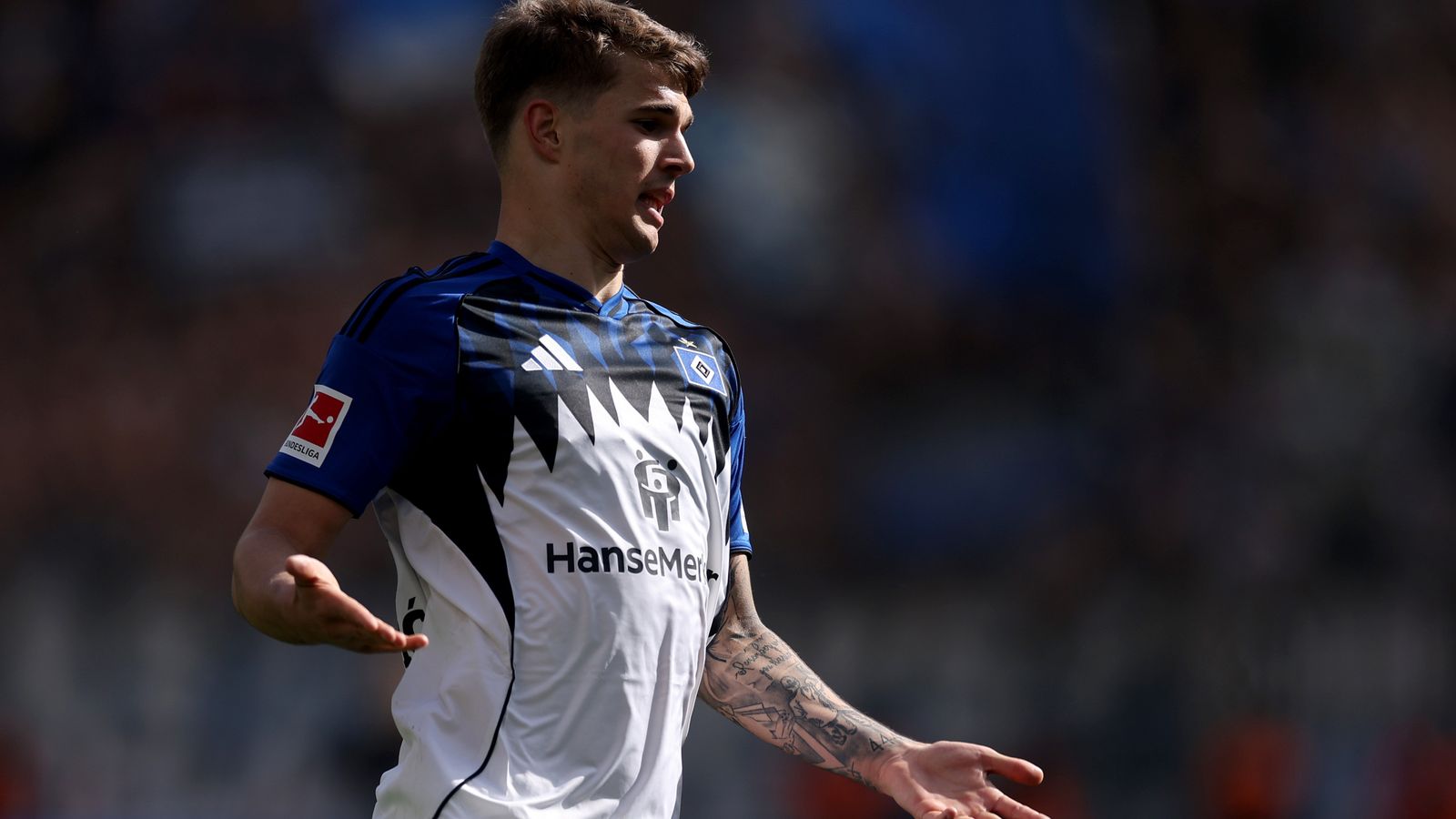
Tottenham’s strange pivot on Vuskovic exposes a confused recruitment strategy
7 hours agoMore Analysis

Man United’s summer budget reveals uncomfortable truths
1 month ago
Manchester United's transfer window is already a mess
1 week ago
Manchester United are sleepwalking into a transfer disaster
1 week, 3 days ago
Man United's summer transfer plans are already screaming panic buy
2 months, 2 weeks ago
Manchester United are repeating the same transfer mistakes
2 months, 1 week ago