The Salford decision shifts the viewing experience
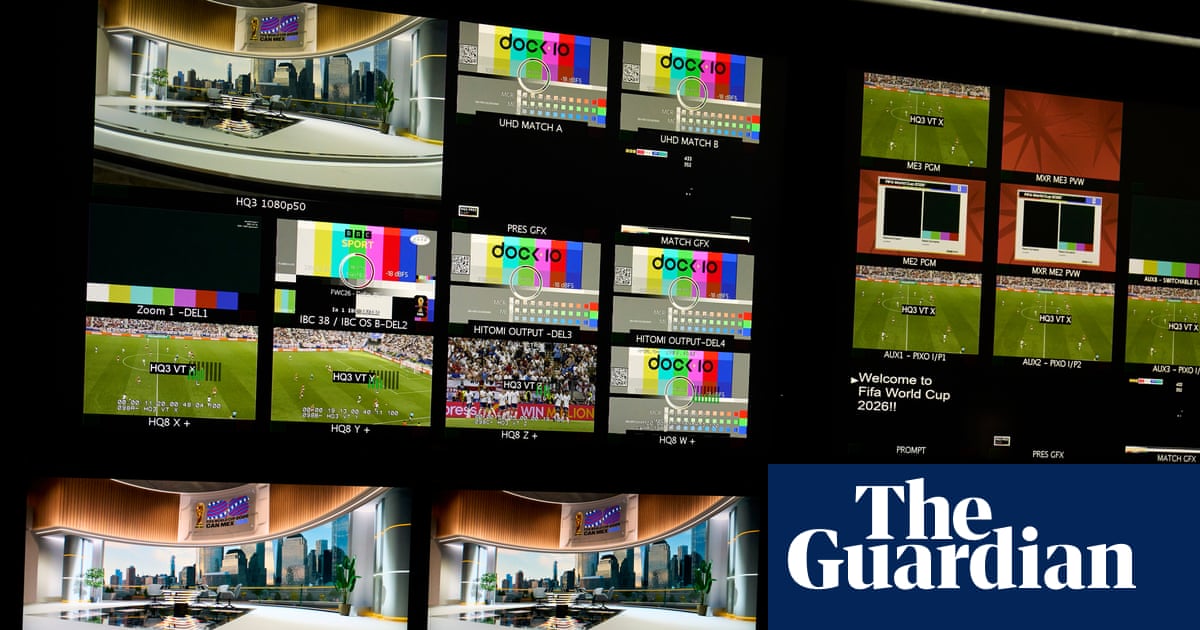
As the 2026 World Cup begins, the aesthetic battle between the BBC and ITV has moved from the pitch to the production suite. The BBC has centered its operation in Salford, opting against the traditional sprawl of sending full crews to every tournament venue. This move is driven by environmental concerns and fiscal tightening, eschewing the travel-heavy models of previous decades.
ITV remains committed to a different logic. Their coverage promises more of the celebrity-heavy presentation style that favors star power over clinical analysis. The Guardian notes that this provides a stark contrast to the BBC’s current approach, which emphasizes data-driven fact-checking and precise production techniques.
Tactical analysis vs. the celebrity carousel
For the average viewer, the divide is simple. One channel wants you to feel like you are at the party, while the other wants to dissect the shape of the midfield. The BBC’s reliance on Ros Atkins and his team suggests a shift toward the digestible, evidence-based segment rather than the emotional filler that plagues ITV’s long-form broadcasts.
There is a risk in this clinical approach. Football coverage is sold on spectacle. If the broadcasters stay too far removed from the ground, the connection to the atmosphere can thin out rapidly. We have seen this before; the 2010 South Africa broadcast model felt distant because it relied too heavily on studio-bound commentators lacking the immediate sensory input of the stadium.
The cost of the sterile studio
The flaw here is the potential loss of the unplanned moment. When analysts sit in a Salford studio looking at screens, they miss the visual cues of pitch-side fatigue or bench body language. A tactical breakdown might be accurate, but it remains incomplete without the context of the touchline environment.
ITV will likely win the ratings war on pure reach and casual engagement. However, they are consistently prone to over-producing segments that prioritize famous faces over astute, match-relevant observation. The obsession with celebrity guests often dilutes the quality of the technical breakdown, leading to segments that burn through 15 minutes without providing a single meaningful tactical adjustment.
My prediction for the tournament coverage
The BBC will produce a better product for the serious fan who cares about expected goals, heat maps, and pressing patterns. Their reliance on remote production is a gamble that efficiency breeds clarity. ITV will pivot to a faster, glossier presentation that favors the highlights reel over the 90-minute narrative arc.
I expect the BBC to dominate the post-match breakdown space with deeper analysis. When we look at the total output across the month, the BBC’s commitment to substance over celebrity will define their legacy for this tournament. Expect over 70% of the technical discourse on social media to cite BBC clips, while ITV will struggle with high-engagement but low-information content cycles.