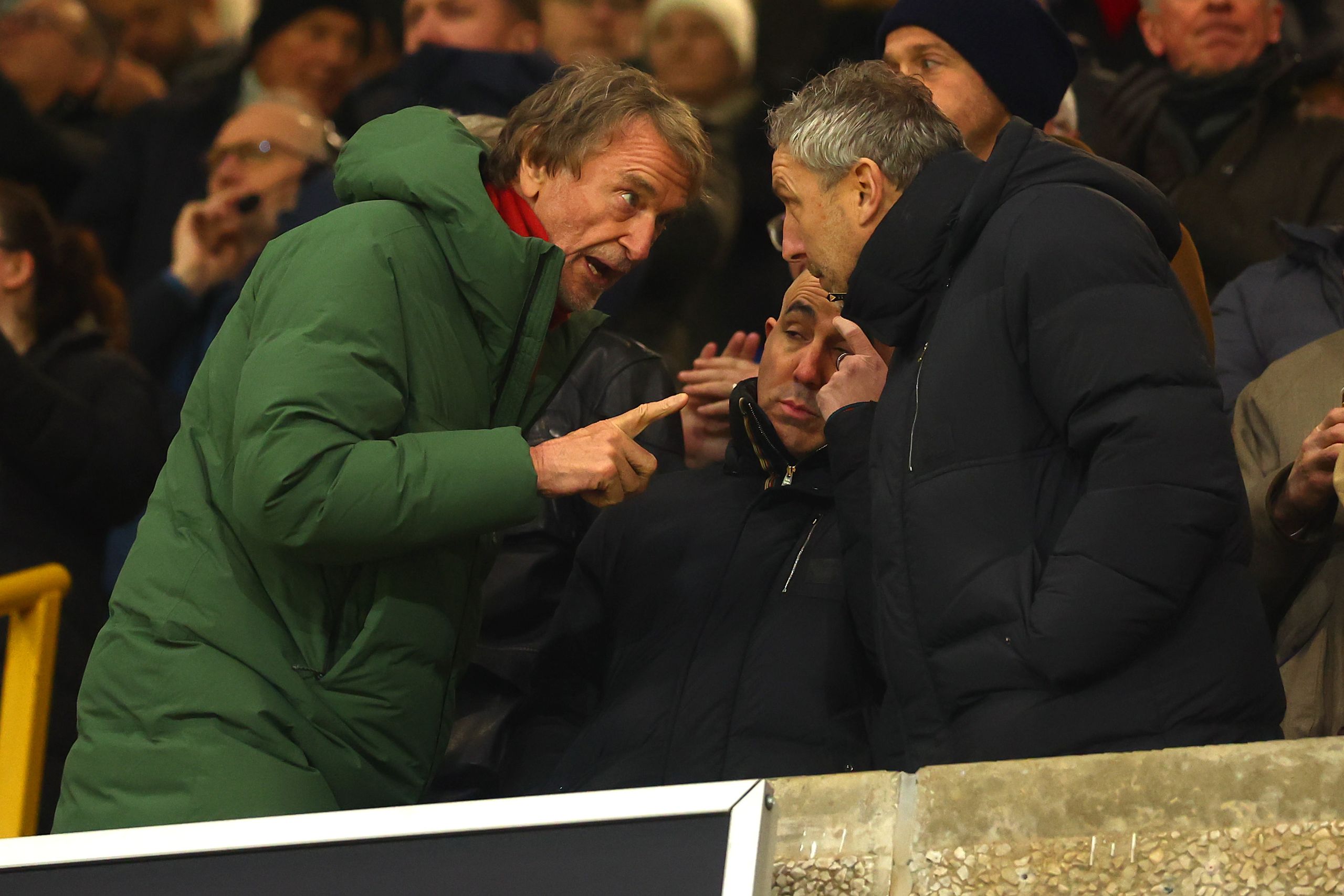
Manchester United are trapped in a cycle of expensive drift

The cost of tactical drift
Manchester United stands at a precarious juncture where the structural ambition of the club regularly collides with the reality of its books. Michael Carrick has successfully stabilized a side that looked rudderless under Ruben Amorim, turning Kobbie Mainoo into a centerpiece of the midfield operation. Yet, this on-pitch progress masks a underlying financial vulnerability. The pursuit of future European campaigns is contingent on clearing the deck of stagnant assets, a process that is proving far more difficult than the simple arithmetic of a transfer window suggests.
The club is reportedly looking at clearing eight players this summer to generate a £100m war chest. While this sounds aggressive, it highlights a recurring issue: United remains an outlier in its inability to maximize academy revenues compared to its domestic rivals. While Manchester City and Chelsea have refined the art of the academy-to-cash pipeline, United’s balance sheet feels perpetually entangled in complex clauses and legacy contracts. The situation with Andre Onana, which could trigger automatic salary increases tied to Champions League qualification, proves that previous financial commitments often cannibalize future spending potential.
The institutional friction
Discipline off the pitch remains a persistent shadow. Harry Maguire’s charge from the FA following his behavior after a red card in the 78th minute against Bournemouth is not just a disciplinary footnote; it is a symptom of a squad that lacks composure during high-pressure moments. Even when the Premier League’s independent panel moved to clarify controversial officiating—such as the rejection of Amad’s penalty shout in that same draw—the club’s reaction was one of visceral frustration. Fuming at referees is a low-yield strategy that has defined too much of the campaign’s narrative.
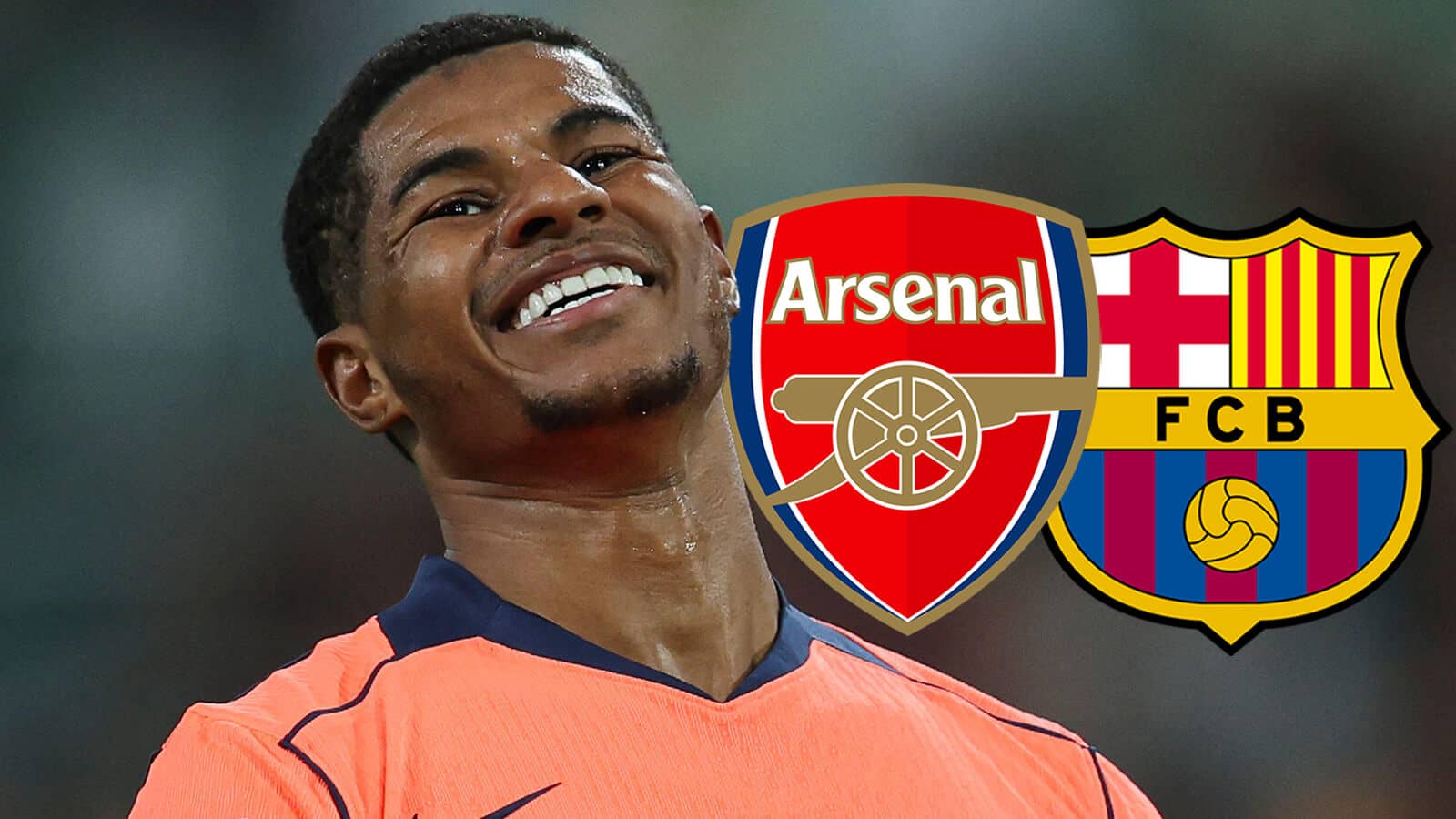
This instability extends to player retention and recruitment. Marcus Rashford’s loan spell at Barcelona has reached a critical stage, with an option to move for £26 million officially entering the expiration window. The club is standing firm, but the messaging from the front office appears disjointed. Meanwhile, as reported recently regarding Elliot Anderson, United’s interest is often met with player preference for clubs like Newcastle, suggesting that the Old Trafford badge no longer carries the unilateral gravitational pull it once possessed in the transfer market.
Tactical stagnation in the Women's Super League
A more immediate, and perhaps sharper, critique must be leveled at the club’s recent performance in the Women’s Champions League. Being knocked out by Bayern Munich highlights a recurring failure to defend set-plays. To concede twice from dead-ball situations in a knockout tie is a failure of preparation. It points to a technical coaching staff that, despite the emotional narrative of the performance, failed to organize the block when the game demanded absolute defensive rigidity. This isn't just about missing a semi-final berth; it is about the inability of the organization to execute high-stakes assignments.
The contrast between the men’s side under Carrick and the broader institutional failures is becoming difficult to ignore. Carrick has managed to integrate youth—most notably Mainoo—into a functional three-man unit, but he is doing so while fighting against a tide of internal noise. Reports of historical dressing room discord, such as the famous Andy Cole and Teddy Sheringham feud, are often dredged up to explain current personality clashes, suggesting that the club is leaning on old ghosts rather than building a modern, coherent professional standard.
The upcoming months will test whether the board can actually execute a roster overhaul. If they cannot move the eight players targeted for exit, the £100m figure remains hypothetical. Without the capital injection, the team will continue to rely on individual bursts of quality from Bruno Fernandes—who remains a singular outlet in international windows—rather than a cohesive, systemic evolution. Pursuing players like Ousmane Diomande as long-term targets is sensible, but buying into the top of the market while bloated contracts remain on the books is the same mistake the club has made for a decade.
The recent failings... indicate a structural collapse in how the Football Association translates individual technical gifts into collective cohesion.
Ultimately, Manchester United is currently a club maintained by individuals who are performing above the sum of the institution's parts. Whether it is Mainoo anchoring the midfield or the technical staff attempting to pivot toward high-value recruitment, the progress feels brittle. Unless the incoming hierarchy can divorce the club from its reliance on stop-gap contract clauses and reactive disciplinary outbursts, the cycle will inevitably repeat. Qualifying for the Champions League is not a destination; it's a financial requirement that is currently being used to mask a lack of genuine, long-term direction.
Adidas Unisex-Adult MLS Club Competition Soccer Ball
Professional-grade feel for your Sunday league or weekend park kickabout.
More Coverage

Anthony Gordon to Barcelona marks a high-stakes gamble
an hour ago
Arsenal's 104 million gamble on Julian Alvarez is pure chaos
an hour ago
Arsenal and PSG are locked in a tactical chess match for the trophy
2 hours ago
Top 10: The Definitive Arsenal Moments of the 2025/26 Season
2 hours ago
Newcastle are burning the furniture to keep the house warm
3 hours ago
Manchester City's business model is frankly terrifying
3 hours agoMore Analysis
Michael Carrick is Manchester United's most dangerous gamble
3 weeks, 1 day ago
Man United are stuck in a cycle of indecision with Michael Carrick
1 month, 1 week ago
Manchester United are sleepwalking toward a mid-table identity
1 month, 2 weeks ago
Manchester United are caught in a cycle of chaos that no manager can fix
2 months, 1 week ago
Michael Carrick is fixing the tactical mess at Manchester United
3 weeks, 1 day ago