
Manchester United’s pre-season schedule is playing it too safe
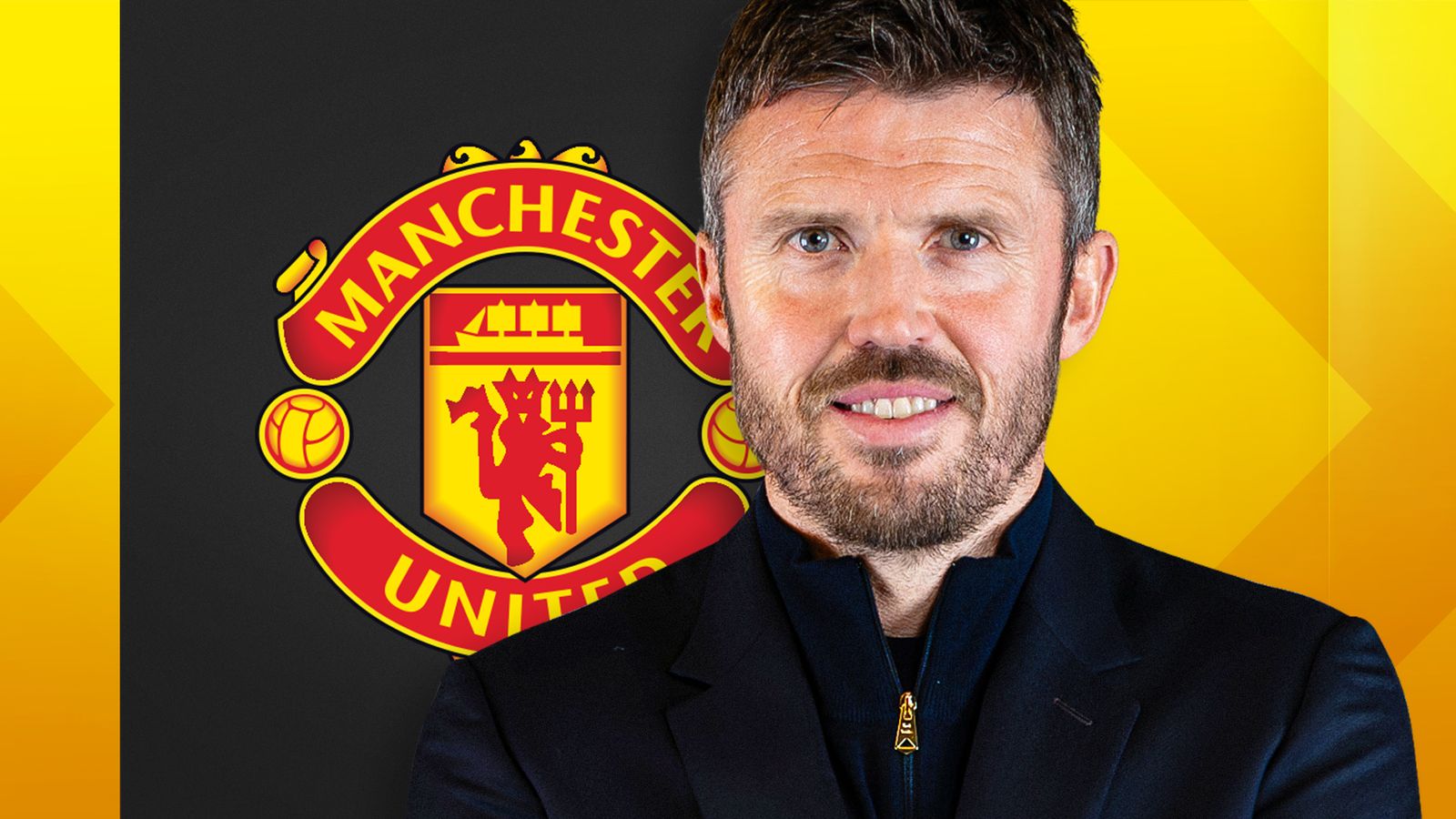
The Milan friendly is a symptom, not a solution
Manchester United finalizing their pre-season dance card with a fixture against AC Milan barely registers as ambition. While the club prepares for a high-profile summer slate, the strategy looks like a relic of the mid-2010s. Friendly matches against marquee names in sold-out stadiums might fill the coffers, but they rarely prepare a squad for the physical intensity of the Premier League.
We are two days out from the 2026 World Cup kickoff, and the football world is holding its breath. Yet, at Old Trafford, the focus remains on brand exposure. Booking the Rossoneri is a safe play. It is predictable business for a club that should be testing tactical variations against high-press specialists rather than chasing nostalgia-fueled box office draws.
The squad depth problem persists
Glancing at the current roster construction, it becomes clear that these games serve little purpose for the coaching staff. If the objective is to blood youngsters or experiment with new formations, relying on established giants like Milan creates a massive friction point. You cannot fix a lack of progressive transition play by playing 90 minutes against an opponent who will likely field a fragmented team of loan players and academy prospects themselves.
The club has consistently struggled to move stagnant assets off the wage bill during these windows. If the transfers are not finalized before the squad exits for these international tours, we end up watching players who arguably should have been sold months ago. That creates a false sense of security for the technical team heading into the new term.
Inference and intent
There is a disconnect between the club's desire to look globally relevant and the mechanical reality of optimizing a team for league competition. When you look at the successful clubs in the league, they choose opponents based on specific tactical simulation. Does the upcoming opposition mimic the defensive low block of an Everton or the rapid verticality of a Tottenham? Probably not.
The data suggests that these tours contribute to player fatigue without offering significant technical ROI. In an era where sports science dictates every single calorie consumed and every meter run, dragging the squad across continents for commercial obligations feels like a massive misstep. It is a commercial success, sure, but it is a sporting compromise.
Missing the mark on preparation
The fixation on legacy opponents during the July window ignores how the game has evolved. Managers need controlled stress tests. Instead of playing for a trophy in the 89th minute against a team that has no incentive to defend properly, the technical staff should be demanding closed-door sessions with intense, high-stamina opposition.
This pre-season schedule acts as a buffer against real progress. If the leadership continues to prioritize brand visibility over tactical conditioning, we are looking at another slow start to the campaign. The fans want to see fluid, high-pressing football, but that requires legs that aren't heavy from a 12-hour flight to a stadium that feels more like a movie set than a training ground.
Ultimately, this approach represents a failure of imagination. Adding AC Milan to the list of fixtures might look good on a spreadsheet in the boardroom, but on the pitch, it changes nothing. It’s tactical stagnation packaged as a spectacle. If the club wants to bridge the gap with the league leaders, they need to stop preparing for the cameras and start preparing for the points that matter in August.
The Soccer 100: The Story of the Greatest Players in History
The ultimate GOAT debate settler from The Athletic.
Frequently Asked Questions
Why is Manchester United's approach to pre-season matches criticized?
What is the concern regarding Manchester United's squad management?
How do successful football clubs select their pre-season opponents?
What are the negative effects of the club's international pre-season tours?
What type of preparation does the article suggest coaches should prioritize?
More Coverage

Arsenal must turn that £200m budget into a title-winning reality
28 seconds ago
Liverpool chasing Ousmane Diomande as Slot eyes defensive reinforcements
40 seconds ago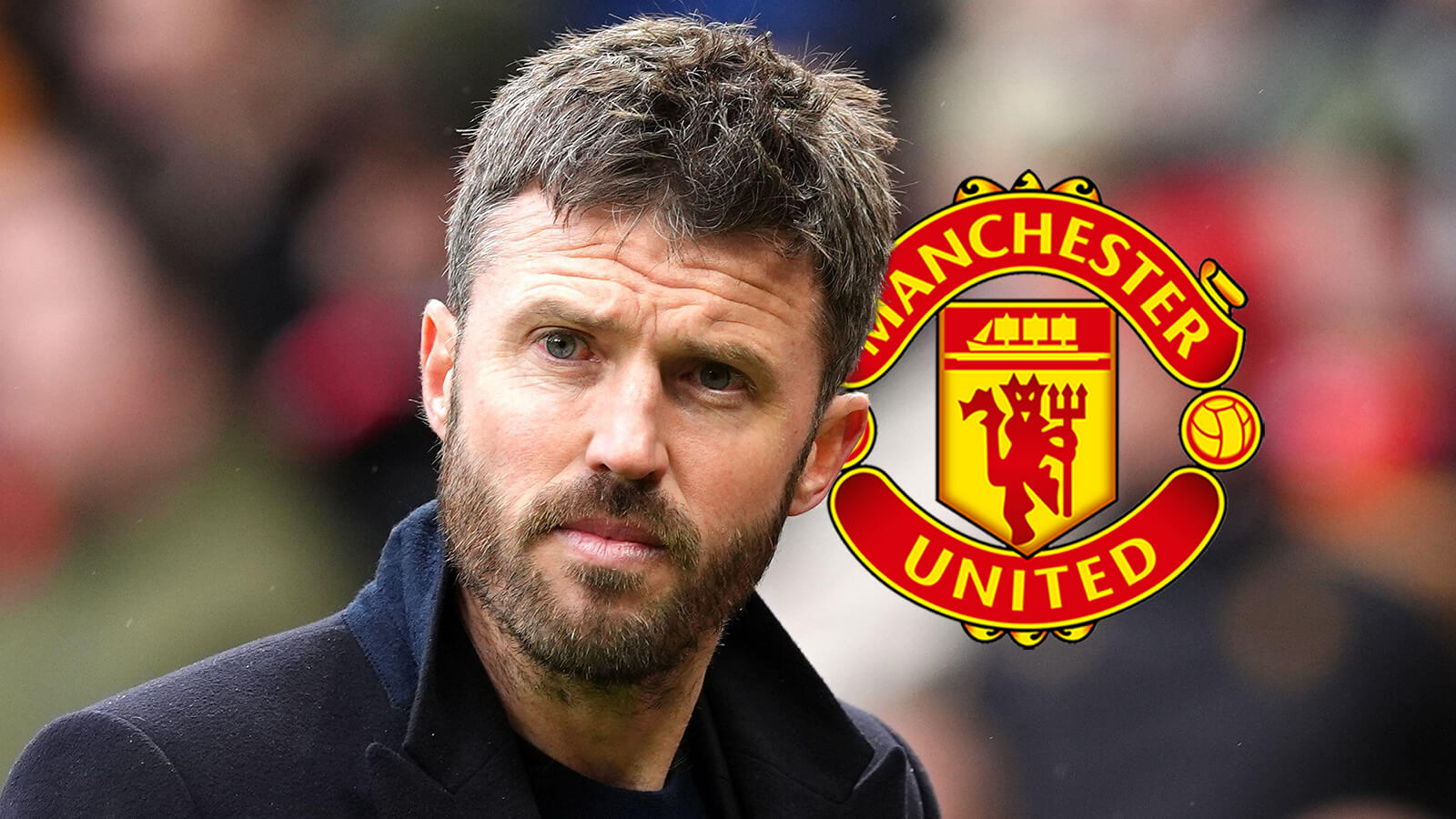
Matheus Fernandes is the tactical reset Manchester United desperately need
an hour ago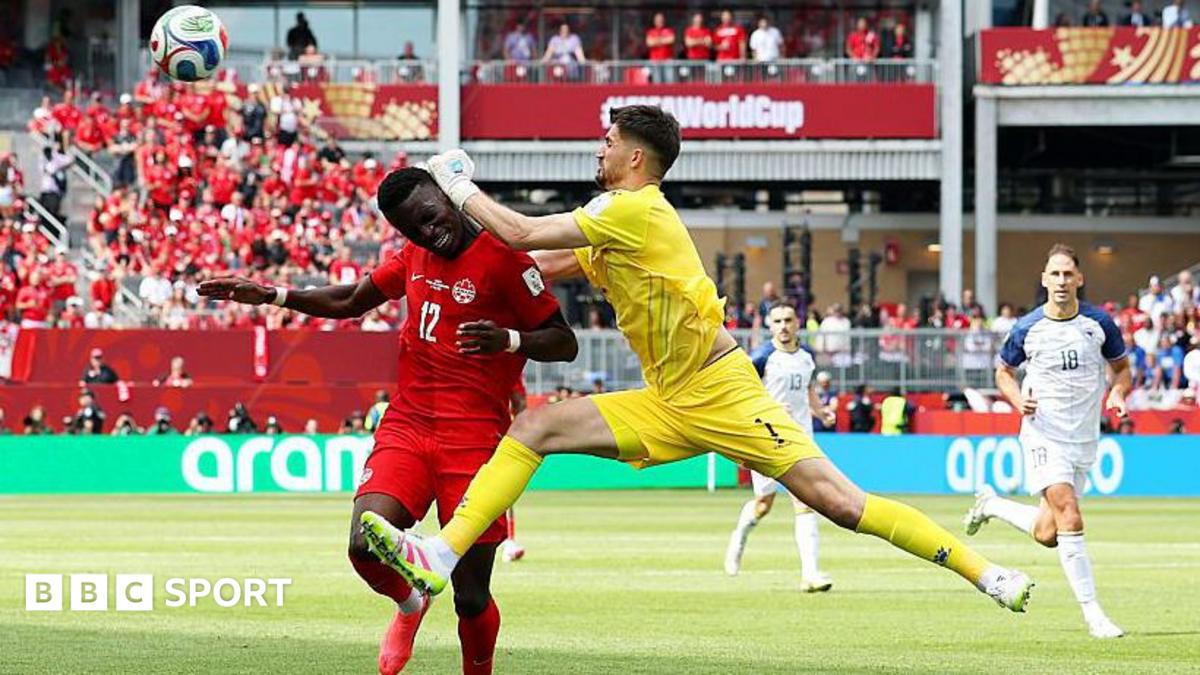
Why Manchester United should target Bosnian defensive talent this summer
5 hours ago
Mateus Fernandes snubbing Arsenal for United is absolute comedy
6 hours ago
Real Madrid are adding Bernardo Silva to a squad that is already unfair
8 hours agoMore Analysis

Manchester United are repeating the same transfer mistakes
2 months, 1 week ago
Manchester United are sleepwalking into a transfer disaster
1 week, 3 days ago
Man United must stop recycling their recruitment strategy
2 months, 1 week ago
Manchester United's transfer window is already a mess
1 week ago
Manchester United are sleepwalking into a Bournemouth nightmare
2 months, 3 weeks ago