The £140 million West Ham conundrum
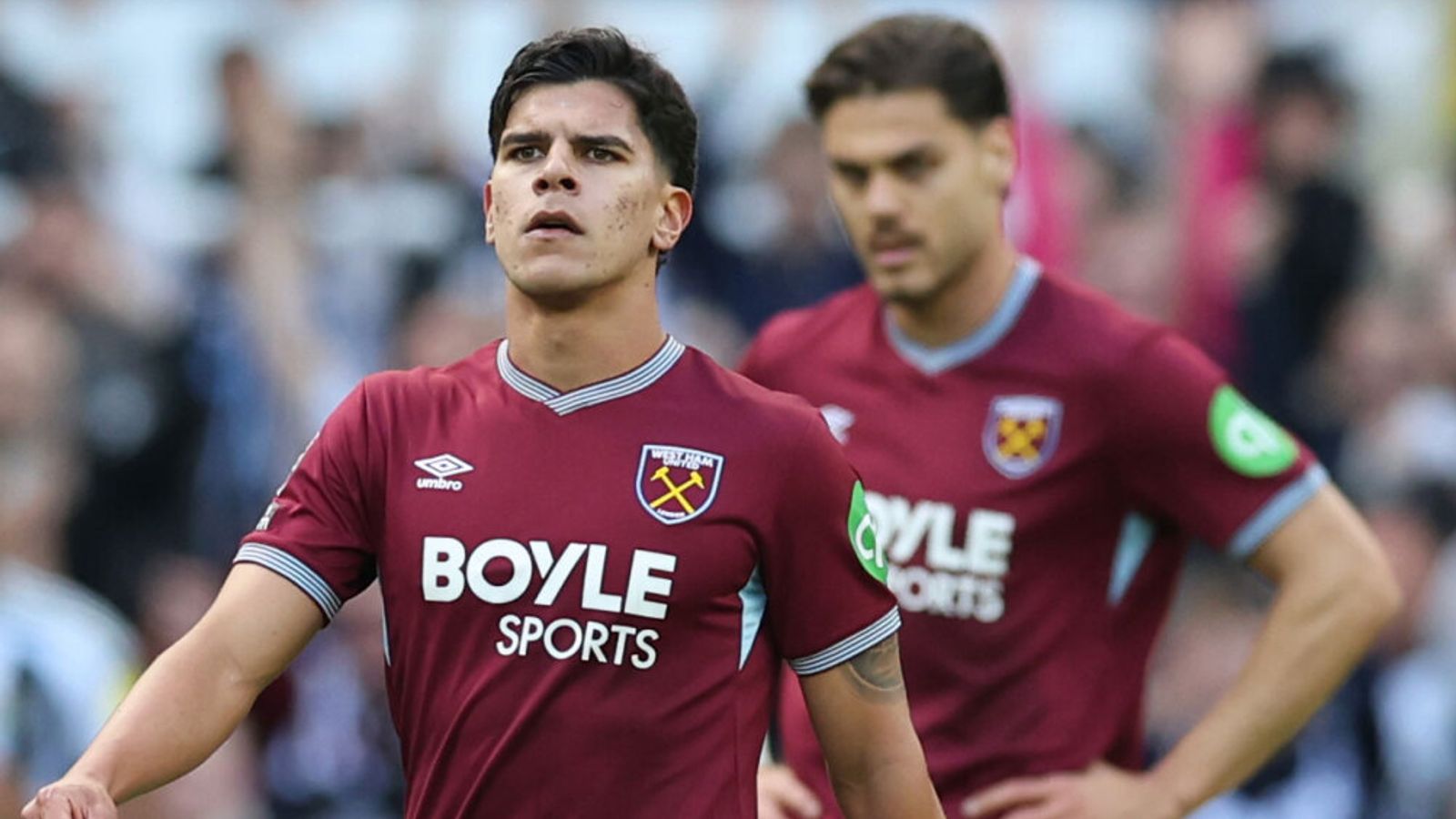
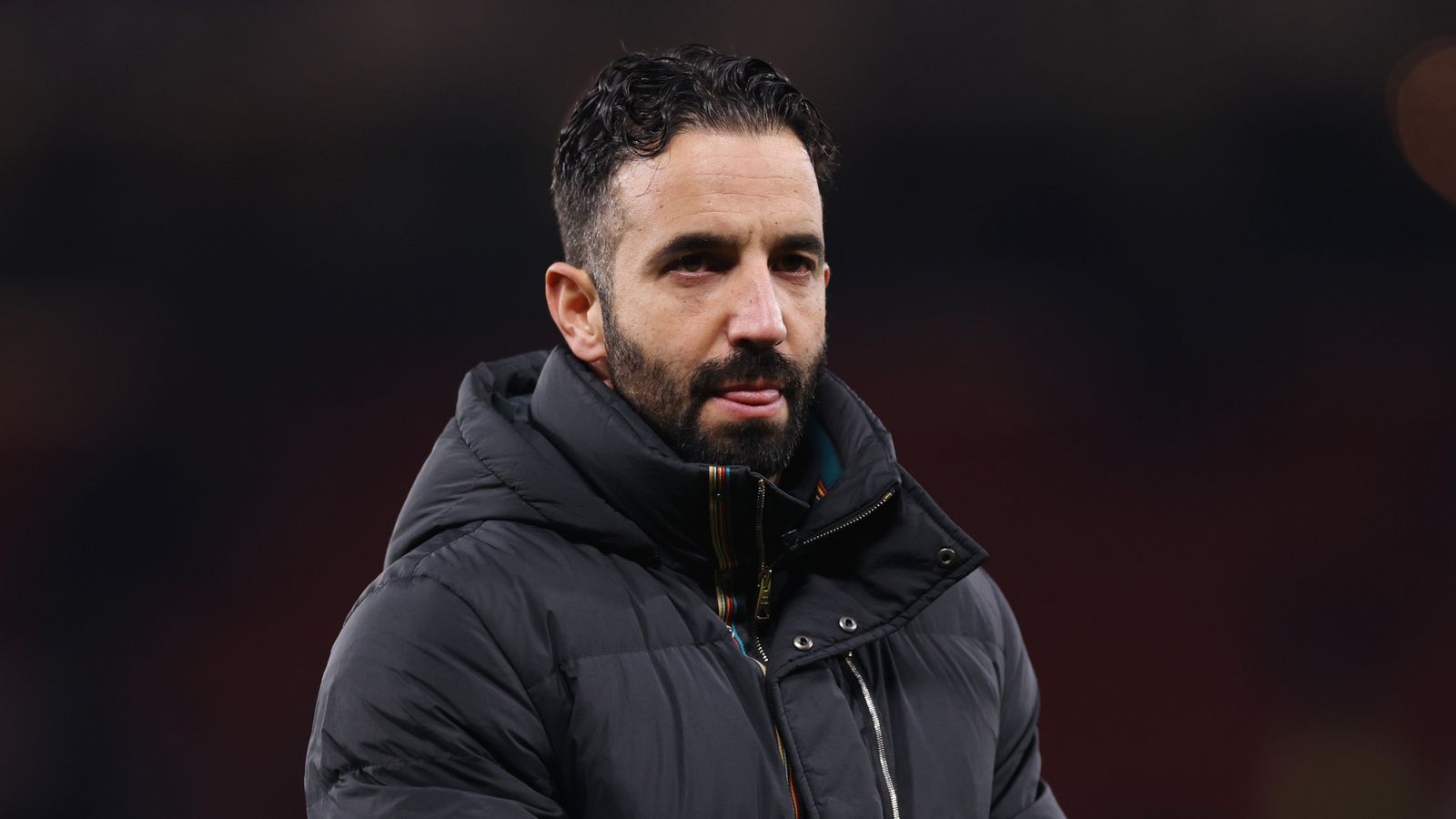
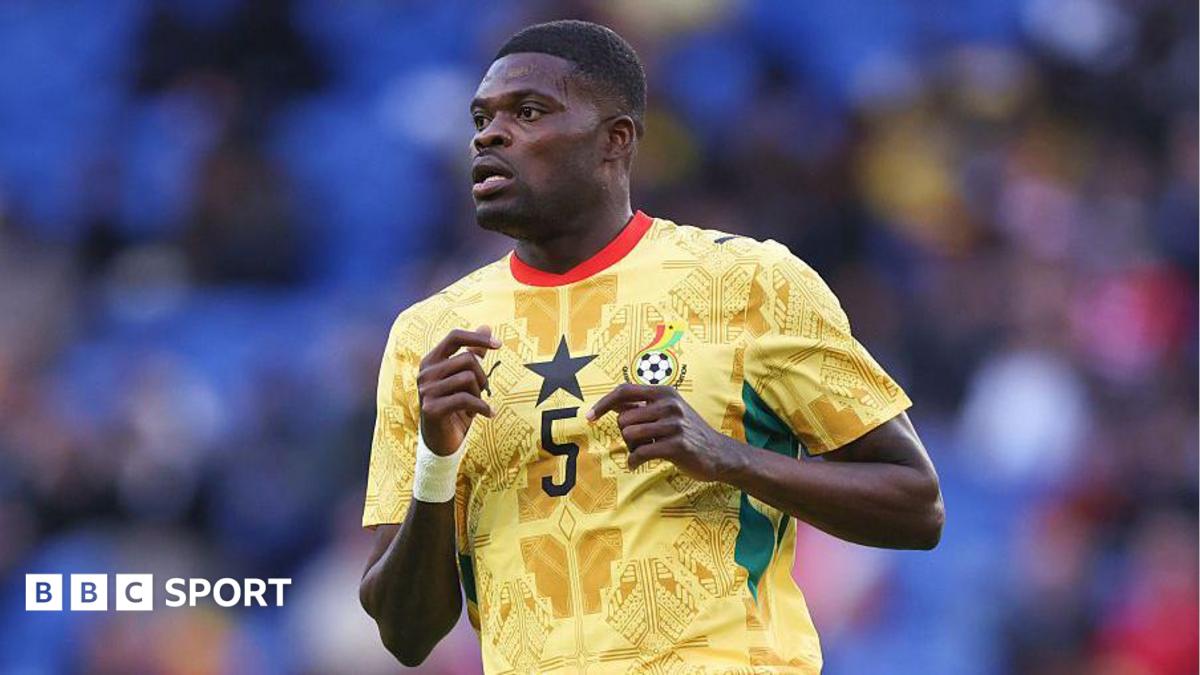
Manchester United have entered formal negotiations with West Ham United regarding a proposed double swoop for Crysencio Summerville and Matheus Fernandes. The London club has reportedly attached a combined valuation of £140 million to the pair. This price point presents a difficult audit for INEOS, particularly as the club attempts to navigate financial constraints while addressing a midfield that has lacked cohesion for the better part of three seasons.
United's interest in Fernandes has already triggered an external response, with Tottenham Hotspur launching a hijack attempt to disrupt the deal. From a tactical standpoint, the pursuit of two players from the same side indicates an attempt to import pre-existing internal chemistry. However, statistical history suggests this rarely compensates for the broader structural deficiencies inherent in a squad undergoing a mid-cycle rebuild.
The midfield recruitment vacuum
The pursuit of Matheus Fernandes is just one fragment of a larger, disjointed midfield saga. United have already abandoned interest in Sandro Tonali, with Fabrizio Romano noting the club's withdrawal from the race. This leaves the coaching staff in a holding pattern as Tottenham and other rivals move to fill spaces that United clearly identified as needing upgrades before the transfer window opened on June 1.
The club is also currently evaluating a £25 million move for a Fulham midfielder to serve as a successor for Manuel Ugarte. This reflects a shift away from high-value marquee targets toward mid-market utility acquisitions. The issue, however, remains the volume of personnel exits. With Casemiro awaiting a move to Inter Miami—a £750,000 obstacle involving MLS roster regulations notwithstanding—the club is thinning its depth chart without sufficient immediate replacements.
The Rashford factor and contractual clauses
Offloading talent appears as high a priority as recruitment. Marcus Rashford, currently returning from World Cup 2026 duty, is subject to intense speculation regarding his future. With Hansi Flick reportedly reaching out and Arsenal alerted to a specific contract clause, the forward is at a career inflection point. Rashford’s 2025/26 loan spell at Barcelona served as a cooling-off period, yet his return to Old Trafford is far from guaranteed as INEOS weighs the benefits of a sale against his remaining commercial and tactical value.
The critical flaws in the window management
The current approach risks repeating the inefficiencies of the previous four transfer cycles. By chasing West Ham for a 130m to 140m total package while simultaneously failing to close deals on primary targets like Tonali, the club is signaling a lack of internal consensus. The recruitment team is effectively competing against themselves in the market.
Furthermore, the reliance on selling players to fund incoming transfers complicates the schedule. When the club is forced to wait for Mason Greenwood’s AS Roma deal to materialize to unlock further liquidity, the secondary window opportunities diminish. The inability to secure early-window signatures means the team will inevitably overpay for second or third-choice options by the time the September 1 deadline approaches. In a league where tactical continuity is earned through pre-season cohesion, this reactive posture is a significant negative indicator for the upcoming campaign.
"Being a first-choice goalkeeper at club level is crucial to securing the shirt." — James Trafford following his admission regarding a potential exit from Man City.
Trafford’s pragmatic assessment of his own situation highlights the reality of the modern player. If Manchester United’s incoming talents perceive similar instability in their own pathways, the club will struggle to convince elite assets to sign for a team that seems unable to decide whether it is rebuilding, pivoting, or simply reacting to the moves of its competitors.