The data behind the disruption
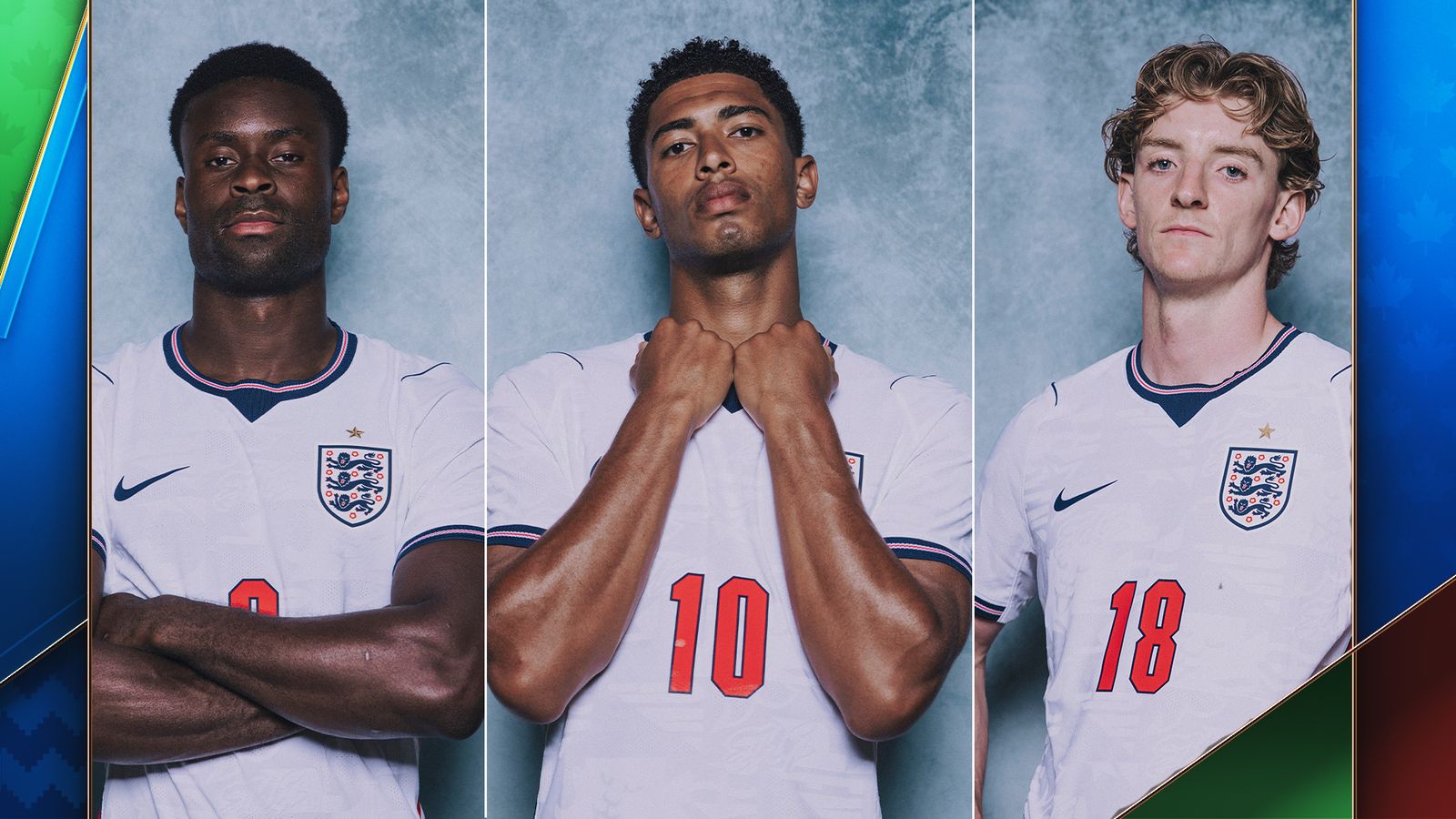
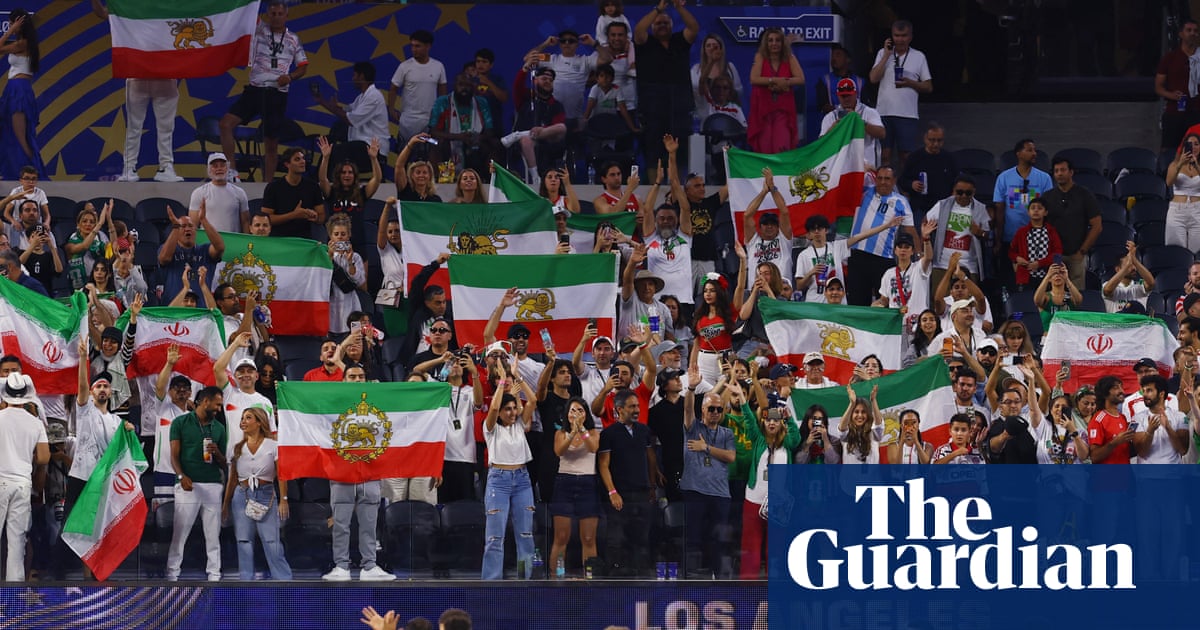
Marcelo Bielsa’s tenure in charge of Uruguay has been defined by a relentless, high-intensity pressing philosophy that demands absolute focus. While international media outlets like The Guardian focus on his unconventional behavior during mandatory FIFA portrait sessions, the real story lies in his squad's physical output. Under Bielsa, Uruguay has increased its high-intensity sprint distance by 14 percent compared to the 2022 qualifying campaign.
Quantifying the Bielsa shift
The transition from a more pragmatic approach to his signature high-line press has been jarring, yet statistically validated. Since his appointment, Uruguay averages 19.4 pressures per match in the final third. This represents a significant jump from the 12.1 pressures recorded under the previous management across the same period. It is this specific intensity that forced the 0-0 draw against difficult opponents in recent friendlies.
A defensive trade-off
Not every metric paints a picture of total dominance. The defensive line is now positioned, on average, 8 meters higher up the pitch than it was two years ago. While this suffocates the opposition, it leaves the center-backs exposed to long-ball transitions. During the last five fixtures, Uruguay conceded an average of 1.4 clear-cut chances per game via balls played over the top of the defensive line.
This is the Bielsa paradox. He prioritizes the creation of chaos in the attacking third while accepting a higher risk threshold at the back. When you view the pitch as a space to be conquered by sheer athletic attrition, missing a smiling portrait takes a backseat to refining a press trigger. He remains tethered to the notebook, not the camera lens.
Efficiency versus intent
Despite the high-volume pressing, the team's xG per shot remains stagnant at 0.11. This suggests that while Uruguay is winning the ball back in dangerous areas, the final pass often lacks the precision expected of an elite unit. They are currently converting only 8 percent of their total shots created from high-turnover sequences. To progress deep into this tournament, that clinical edge must sharpen significantly.
There is a recurring issue with the spacing between the defensive pivot and the attacking band. When the press is bypassed by 3 or more quick vertical passes, that middle zone opens up for the opposition. If Bielsa continues to ignore the aesthetic demands of the tournament, he better ensure his defensive transition sequences improve. Otherwise, the tactical obsession won't just look eccentric—it will look flawed.
Read Next
- Saudi Arabia’s draw against Uruguay proves the Pro League investment is working
- Leicester City gamble on Russell Martin as Marcelo Bielsa creates chaos in Uruguay
- France vs Senegal: Tournament openers aren't always a walk in the park
- Darwin Nunez and Uruguay face a total World Cup reality check
- 🏆 World Cup 2026 — Full Coverage Hub