The Architect Departs, The Engineer Arrives
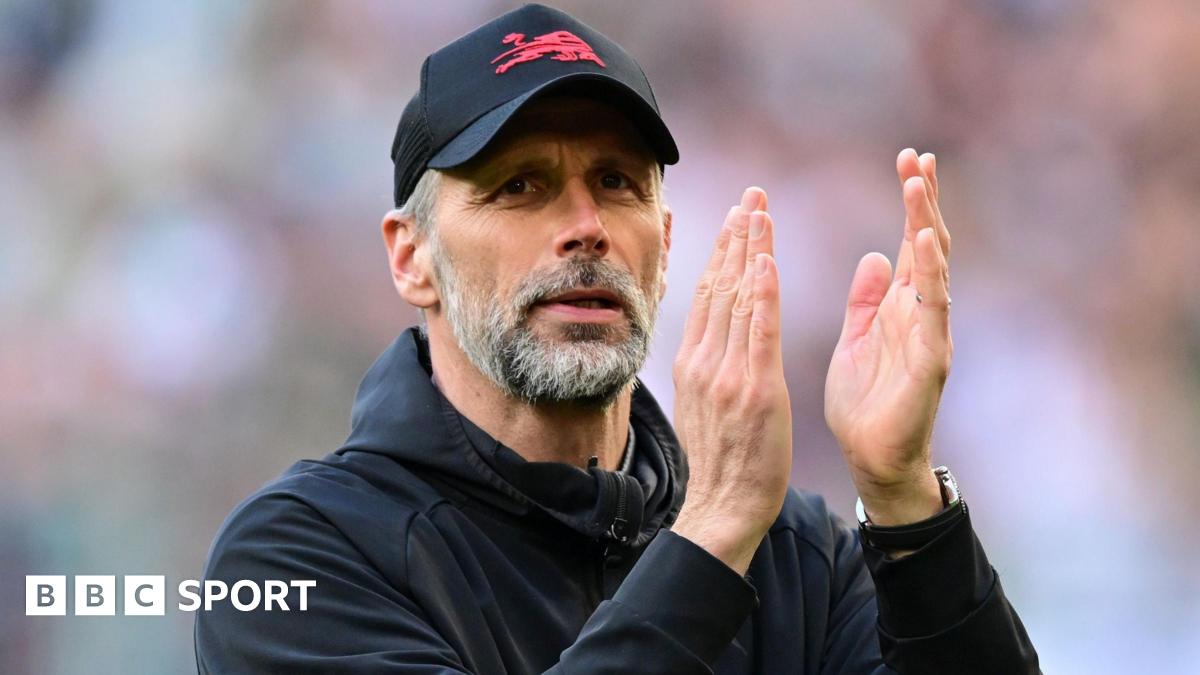
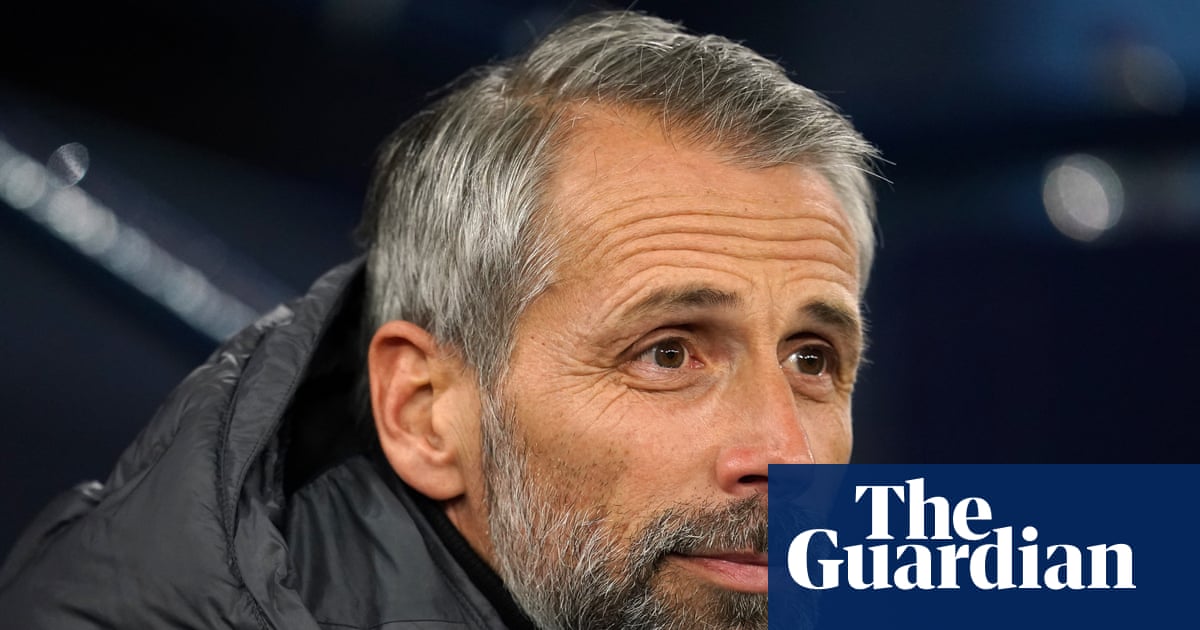
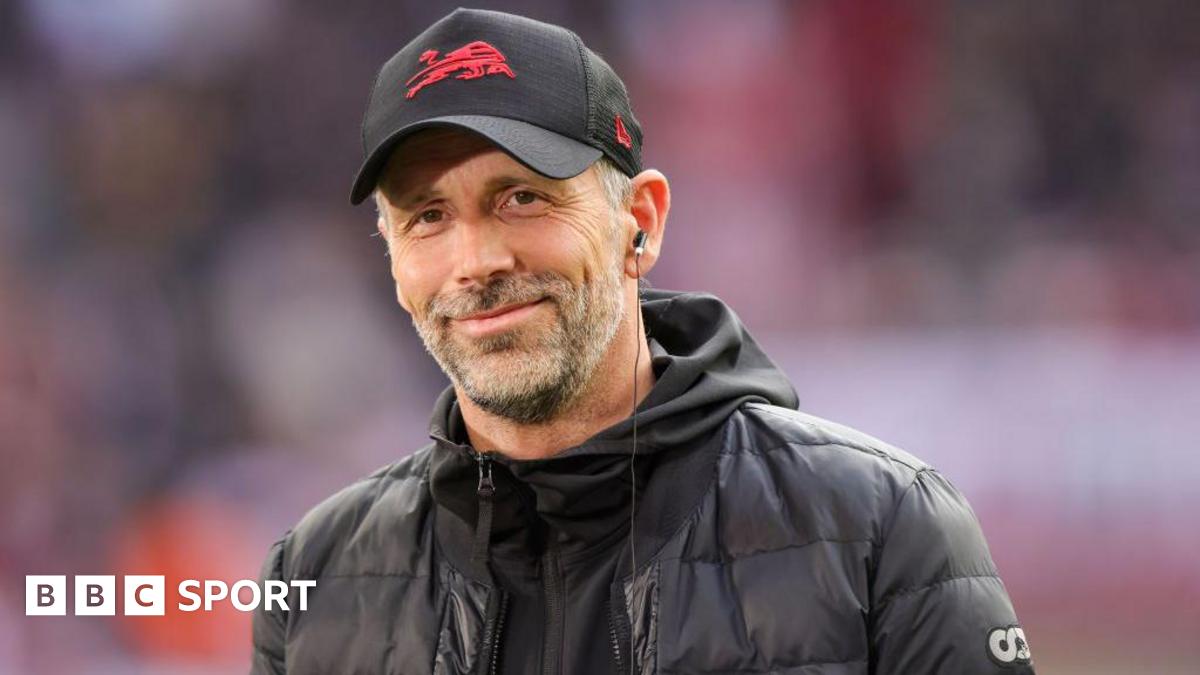
Bournemouth has officially confirmed Marco Rose as the successor to Andoni Iraola, a move that, on the surface, suggests a seamless transition. Iraola, whose contract concludes at the season's end, leaves behind a foundation built on clear tactical principles. Rose now steps into a role many managers would envy: inheriting a club with an established identity and a squad familiar with high-intensity demands.
The announcement on April 20, 2026, details a three-year deal for Rose, signaling a long-term commitment. This isn't a hasty appointment; it's a considered choice by the Bournemouth hierarchy to maintain a specific footballing philosophy. The key takeaway from the reporting is that Iraola himself is a fan of Rose's work, pointing directly to a “similar style of football.” This endorsement from the departing manager is more than just a polite nod; it’s a tactical clue.
Iraola's Blueprint: Aggression and Verticality
Andoni Iraola’s tenure at Bournemouth, while not always smooth, solidified their reputation as a team unafraid to play on the front foot. His tactical signature involved an aggressive high press, quick turnovers, and a relentless verticality in attack. Opponents often struggled to cope with Bournemouth’s energy, particularly at home. This wasn't merely about effort; it was a structured system designed to disrupt, dispossess, and transition rapidly.
The underlying metrics often reflected this approach: high numbers in defensive actions in the final third, and a willingness to commit bodies forward. While sometimes leaving them vulnerable at the back, this high-risk, high-reward strategy yielded exhilarating football and, crucially, Premier League survival. The squad, especially key attacking players and industrious midfielders, have been drilled in this demanding system. Any new manager would need to either embrace it or risk fracturing a well-understood playing model.
Rose's Pedigree: Pressing, Pace, and Progression
Marco Rose arrives with a CV that screams 'modern, proactive football.' His stints at Borussia Dortmund and RB Leipzig, two clubs synonymous with aggressive, dynamic play in Germany, are testament to his methods. At Dortmund, his teams were characterized by their intense gegenpressing and rapid attacking transitions, often overwhelming opponents in bursts. He demanded a high defensive line and encouraged midfielders to break lines with direct passes, bypassing static build-up phases.
Leipzig under Rose continued this theme. He employed variations of a 4-2-2-2 or 4-2-3-1, prioritizing athletic midfielders capable of covering ground and forwards with pace to exploit space behind defenses. The parallels with Iraola’s philosophy are striking. Both coaches value quick ball progression, suffocating opposition build-up, and creating chaotic attacking situations. This isn't just a philosophical alignment; it's a practical, on-pitch compatibility that should theoretically reduce adaptation time for the Bournemouth squad.
“Bournemouth have confirmed that Marco Rose will replace Andoni Iraola as their head coach this summer… Rose has signed a three-year contract to take charge of the south coast club after Iraola steps away.” — The Guardian, April 20, 2026
The Critical Test: Evolution, Not Just Replication
While the stylistic similarities between Rose and Iraola are undeniable, Rose’s appointment cannot merely be a replication exercise. The challenge for him will be to evolve Bournemouth's current system, adding layers of tactical sophistication without disrupting the core identity. His experience managing larger clubs like Dortmund, where expectations are astronomically high and every tactical decision is scrutinized, should serve him well. He’s accustomed to the pressure of European competition and the demands of developing top-tier talent.
However, the Bournemouth squad, while energetic, lacks the sheer depth and individual quality found at Dortmund or Leipzig. This will be Rose’s primary hurdle. Can he elevate the existing talent, or will the board provide the necessary funds to recruit players who can execute his vision with greater consistency? The summer transfer window will be a crucial litmus test. Relying solely on the current personnel to execute an even more demanding version of Iraola's system might prove to be a significant misstep, potentially leading to early season struggles if key players are unavailable or unable to sustain the intensity.
The Prediction: A More Potent, Yet Vulnerable, Bournemouth
I predict that under Marco Rose, Bournemouth will become an even more offensively potent side, albeit with moments of vulnerability. His tactical acumen, combined with a squad already accustomed to demanding physical output, will see them score more goals. The transition from defense to attack should be even sharper, with quick vertical passes becoming a hallmark. Players like Solanke, already thriving in Iraola’s system, could see their output increase as Rose refines the attacking patterns and creates more high-percentage chances.
However, the relentless pursuit of offensive dominance might occasionally expose them against technically superior opposition. The Premier League's elite will find ways to exploit the high defensive line and the spaces created in transition. I see Bournemouth finishing comfortably in the mid-table, perhaps even challenging for the top half, but not without some frustrating losses where their ambition leaves them open. Expect more thrilling 3-2 results, both for and against them. The initial buzz around his appointment will translate into an exciting, if occasionally chaotic, start to his tenure.