The quiet end of a potential exit
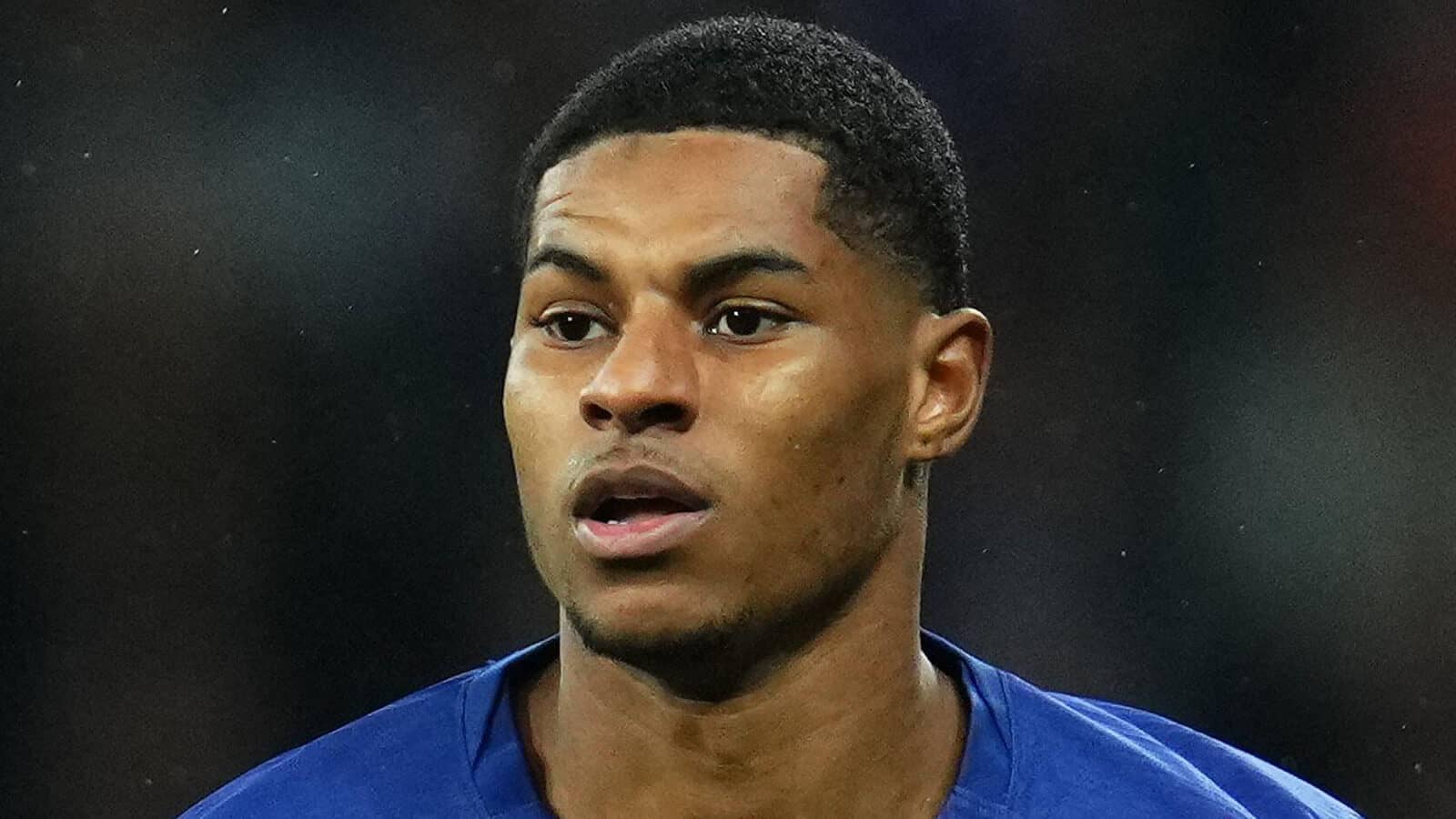
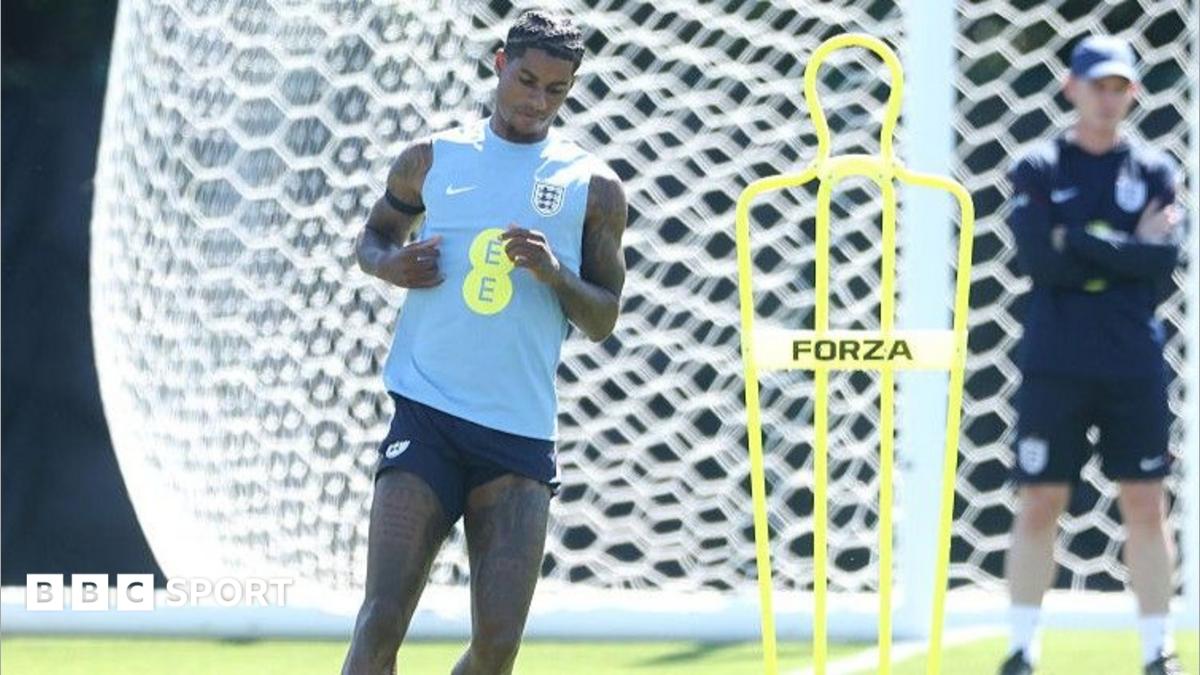
Barcelona passed on the chance to sign Marcus Rashford this week. The deadline to trigger the option for a transfer worth 26m came and went without a whisper from the Camp Nou hierarchy. For a player who was supposed to be the jewel in a new tactical set-up, it serves as a stark reminder of how quickly market perception shifts.
The price tag was objectively low for a forward with his pedigree. In an age of triple-digit valuations for prospects with half his technical output, seeing a talent of this stature fail to move for a mid-tier fee points to a fundamental breakdown in his recent value proposition. Clubs simply did not see a fit for his specific profile in their current squad configurations.
Tactical stagnation in the final third
Rashford’s issue isn't raw physical capability. He remains one of the most explosive wide men in the game when isolating a defender in transition. Yet, the consistency required to thrive in a possession-heavy side like Barcelona has remained elusive. His xG per 90 minutes has fluctuated wildly over the last two campaigns, suggesting a dependency on streak-based production rather than structured contribution.
Managers are increasingly risk-averse regarding players who require high-volume touches to influence the game. Without the ball, his pressing triggers are often sluggish. Top-tier systems in 2026 demand an active, suffocating defensive intensity from the wings. When your contribution is limited to offensive output, those moments must be clinical and constant. Lately, they have been neither.
The Manchester United reality
Staying at Old Trafford isn't necessarily a failure, but it is a challenge. He no longer carries the immunity of a homegrown prodigy. The squad around him is evolving, and the burden of expectation has shifted toward new, younger arrivals who fit a more collective style of play. If he cannot adapt, he risks becoming a high-earning squad player rather than a primary tactical instrument.
He lacks the creative vision to operate as a secondary playmaker when the speed game is neutralized. We have seen him struggle against low blocks repeatedly over the last twelve months. If the opposition sits deep and kills the space behind their back four, his impact often evaporates. It is a predictable flaw that defensive coordinators have successfully exploited since the start of last season.
Predicting the path forward
My read on this is grim. Rashford will struggle to reclaim his spot as the undisputed leading man at United. I expect him to start less than 60 percent of league matches next season. He is at a point where he needs to reinvent his game from a touchline-hugging sprinter to a more nuanced hybrid attacker who can link play in congested areas. I don't see it happening.
The lack of interest from Barcelona signals that he is no longer viewed as a "plug and play" elite asset. He will remain a talented option, but the era of him being central to a title charge feels behind us. He needs an immediate uptick in his decision-making speed on the edge of the box to survive this stagnation. Without a tactical shift in his own approach, a transfer is unlikely to improve his fortunes further down the line.
Read Next
- Marcus Rashford at a career crossroads as Barcelona deal deadline looms
- Ruben Amorim's AC Milan move changes the Old Trafford blueprint
- Manchester United's summer overhaul: The Ederson and Fernandes pursuit
- Manchester United are betting on Ederson to fix their midfield engine
- ⚽ La Liga 2025-26 — Title Race Hub