The cracks in the Spanish foundation
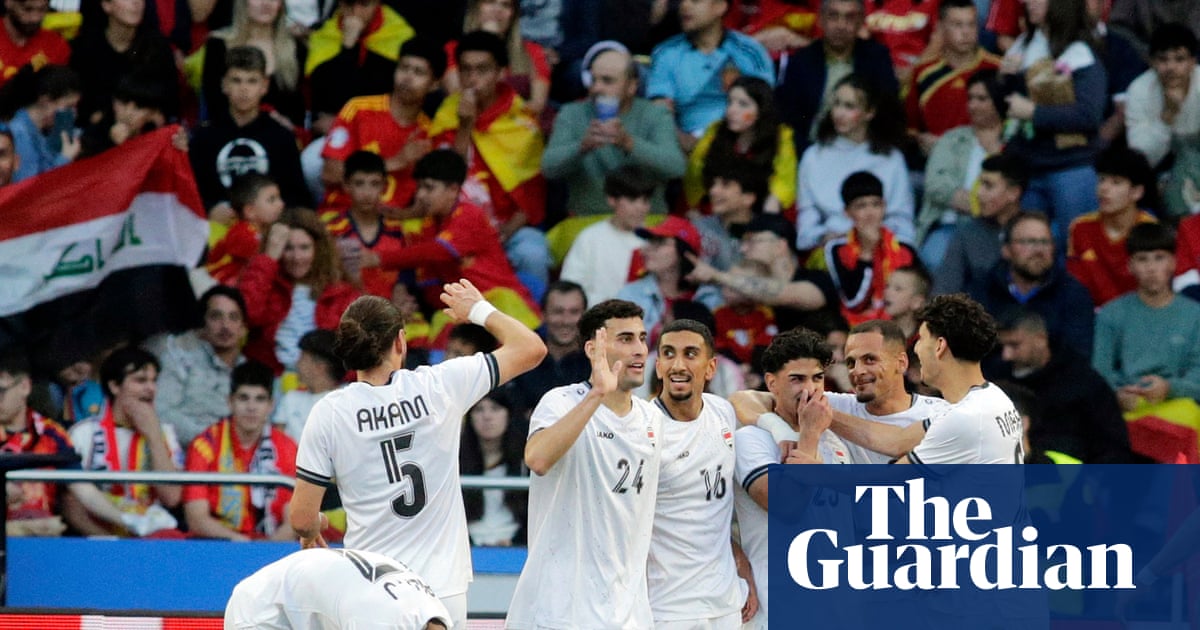
Spain arrived at the 2026 tournament with the swagger of a team expected to dominate through possession. Their tournament opener against Cape Verde proved that pedigree means very little when the final third lacks a cutting edge. Luis de la Fuente watched his side struggle to break down a compact, disciplined defensive block for ninety minutes.
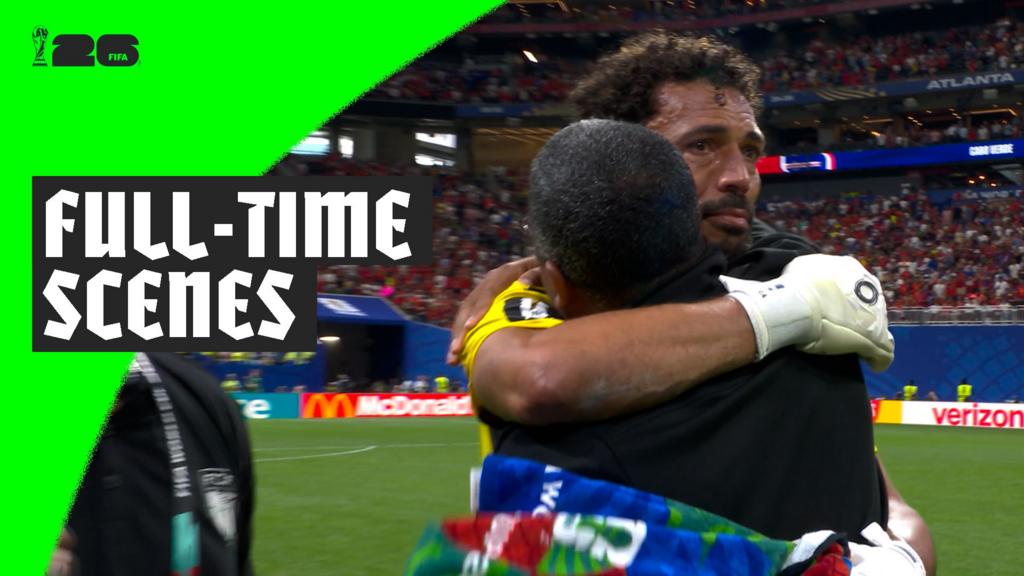
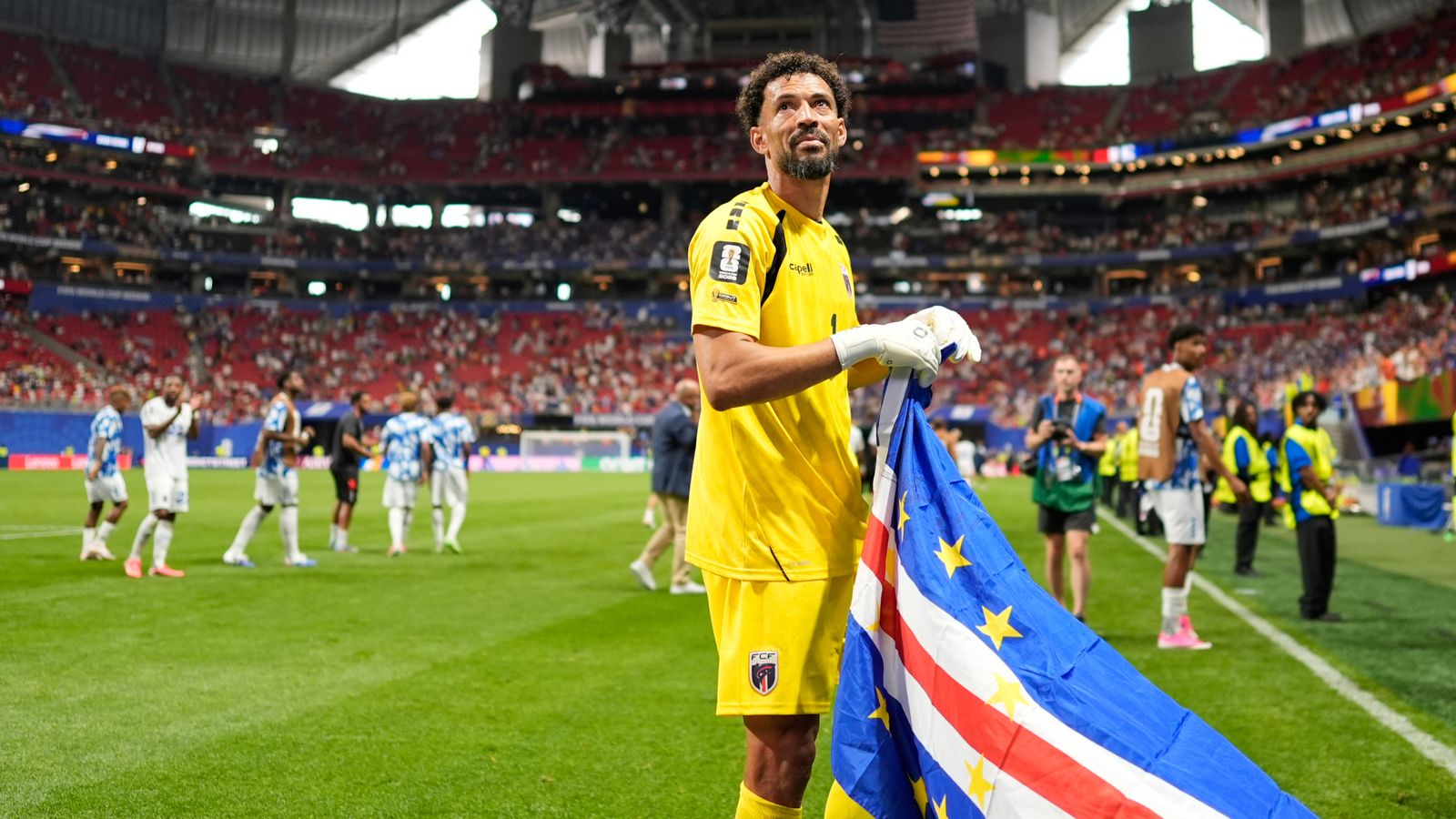
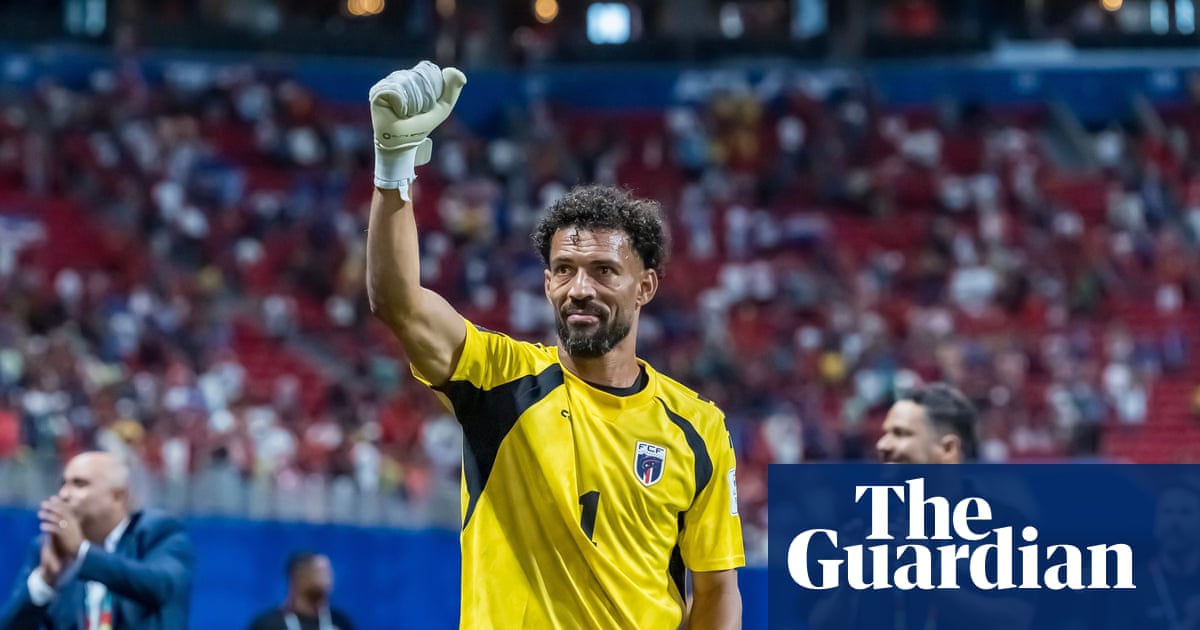
Technical precision is the hallmark of Spanish football, but possession without penetration is just math. Cape Verde played with a desperate, localized intensity that completely disrupted Spain’s rhythm. When the whistle finally blew, it was not the favorite that looked like a contender. It was the underdog capturing a point that The Guardian reported as a historic achievement for the nation.
Tactical stagnation in the final third
The most alarming aspect of this draw was the predictable nature of the Spanish attack. Everything funneled through the center, allowing the opposition to crowd the area with ease. When full-backs did overlap, the delivery lacked the necessary quality to punish such a deep defensive line.
Managers often talk about finding solutions, but Spain’s response to the stalemate was static. There was no late tactical pivot, no aggressive shift to a direct style, and no individual brilliance to rescue the result. It highlights a common flaw in modern setups: overcomplicating simple game states. The reliance on intricate build-up leaves them vulnerable the moment a less heralded side decides to park ten players behind the ball.
The psychological weight of the opener
Opening fixtures in these expanded formats are volatile. Players carry the physical exhaustion of a long domestic season, and the pressure of the tournament creates a heavy, cautious environment. Spain appeared to play with iron boots, clearly affected by the expectation of an easy three points.
Cape Verde, by contrast, thrived on the lack of internal pressure. Every clearance was celebrated like a goal; every tackle was treated as a personal victory. Psychology in international football is often the deciding factor in the first seven days of the competition. If a titan fails to dismantle a debutant, the confidence gap narrows significantly for the next two group games.
Looking ahead to the group trajectory
De la Fuente now faces a difficult internal conversation. He has to decide whether this result is a statistical outlier—a bad day at the office—or a sign that his squad is fundamentally ill-equipped for low-block opponents. The 0-0 scoreline was not a fair reflection for Spain; it was an indictment of their lack of urgency.
Critically, the squad lacked a focal point capable of bullying center-backs. Without a target man to shift the defensive alignment, Spain will continue to circulate the ball horizontally until the clock runs out. History suggests that teams who stutter in their opening match rarely recover to reach the latter stages of the bracket.
Predictions for the next round
My read is that Spain will struggle to qualify as group winners if they persist with this high-volume, low-risk approach. They will likely secure a narrow win in their next match simply due to superior fitness, but the structural deficiencies will persist. Expect them to draw or lose to a nation that possesses at least one legitimate counter-attacking threat on the wing.
This team is currently playing too slowly to win a trophy. Until they increase the speed of their passes in the final third, they are essentially walking into a brick wall every time they leave the half-way line. They have the talent, but they are lacking the hostility required to finish teams off.
Read Next
- Spain’s World Cup opener exposed their biggest tactical weakness
- Cape Verde just dunked on Spain's entire national identity
- Cape Verde’s 40-year-old wall just broke the internet
- Erling Haaland on the biggest stage is going to be pure chaos
- 🏆 World Cup 2026 — Full Coverage Hub
- 🇪🇸 Spain World Cup 2026 — La Roja Hub