Broken ribs sideline Mark Bosnich days before World Cup kickoff
Former Manchester United goalkeeper Mark Bosnich has been rushed to a hospital following an injury sustained during a television commercial shoot. The incident occurred as preparations for the 2026 FIFA World Cup reached their final stage, with the tournament scheduled to begin in only six days.
Reports indicate that Bosnich suffered broken ribs during the production. The timing is catastrophic for his broadcast commitments. Bosnich was slated to occupy a primary analyst role for Australian coverage of the upcoming global tournament.
Broadcast operations scramble for contingency plans
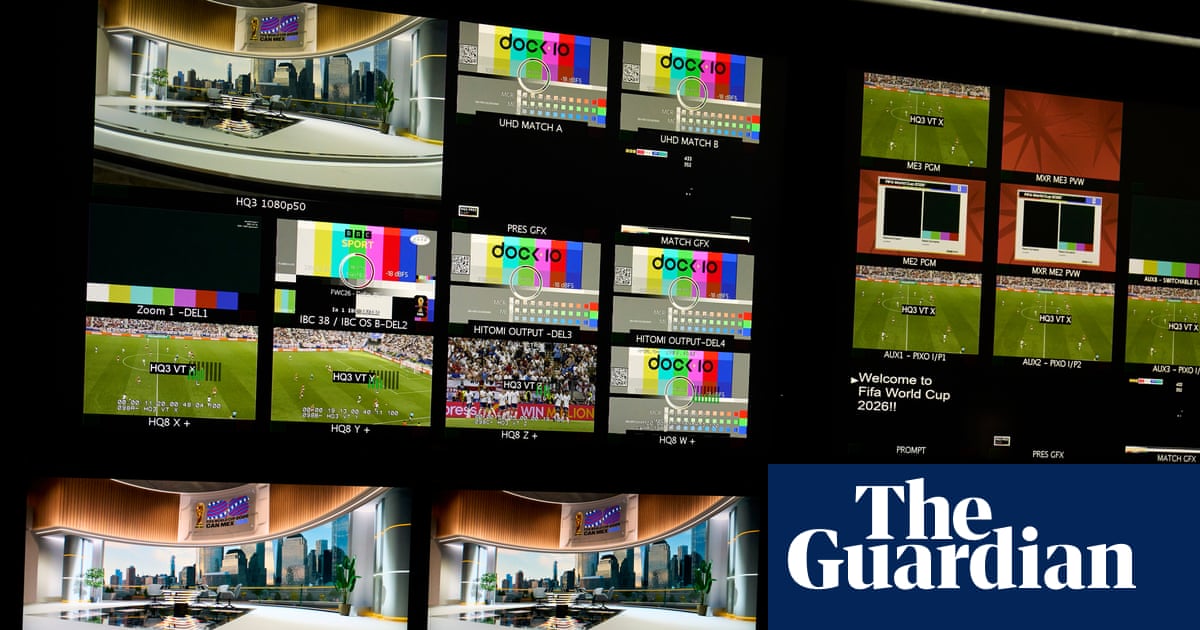
The Australian broadcast team is currently evaluating how to fill the massive gap left by Bosnich’s sudden absence. Broadcasters rely on veteran voices with high-level playing experience to anchor pre-match analysis and post-match breakdowns. Losing a personality of his stature creates a significant void in the studio presence.
This is not the first time a major tournament broadcast has been shaken by personal emergency, but the physical nature of this injury makes a rapid return unlikely. Managing severe rib fractures requires significant stabilization time, rendering travel and high-intensity live broadcasting physically impossible for the immediate future.
Impact on tournament coverage quality
While industry analysts often focus on tactical setups, a broadcaster’s ability to communicate high-pressure moments is a specific form of performance art. The loss of a commentator who understands the volatility of professional goalkeeping removes a layer of technical insight that viewers typically find valuable during group stage matches.
The network faces a difficult choice: elevate a secondary commentator or bring in a surprise guest to balance the panel. Historically, networks rely on internal reserves to maintain consistency. However, finding someone who can replicate Bosnich’s specific, blunt style of analysis will be difficult on short notice.
Professional athletes and commercial risks
This incident highlights a recurring flaw in the athlete-to-media pipeline: the expectation of high-intensity physical activity during off-field professional engagements. Athletes are often drafted into commercial shoots that exceed the physical requirements of their standard media duties. The potential for injury during these production days is high, yet they remain a staple of modern sports marketing.
Critics point out that production companies often prioritize the aesthetic of the shot over the actual physical safety of the participants. A simple misstep during a scripted action sequence can derail a career or, in this case, a high-stakes media gig. The industry should reconsider the risk profiles of these external production contracts for featured talent.
Historical precedent and recovery outlook
Broken ribs typically carry a recovery window of four to six weeks, depending on the severity of the fractures and the potential for secondary complications like lung irritation. Unless there is a miraculous recovery, his participation in the June 11 kickoff appears impossible. He will likely miss the entire group stage at a minimum.
Producers must now pivot to their Plan B. Viewers expecting the usual lineup should anticipate significant shifts in the studio dynamics. Whether this results in a more subdued broadcast or a refreshed, fast-paced analytical rotation remains to be seen. Bosnich’s absence removes one of the most recognizable voices in the Australian media circuit right as the interest level for the national squad peaks.
As The Mirror reported, the priority now shifts to his immediate surgical and recovery needs. The football world waits for clarity on his long-term broadcast future beyond the tournament. For now, the focus is entirely on the recovery process and the hole he leaves in the studio.
Read Next
- Dusan Vlahovic puts Chelsea and United on red alert as Juventus exit looms
- FIFA's free ticket glitch is a billion-dollar embarrassment
- Arsenal disrupt Manchester United recruitment plan in William Gomes pursuit
- Manchester United's summer overhaul: Why the Carrick era needs immediate results
- 🏆 World Cup 2026 — Full Coverage Hub