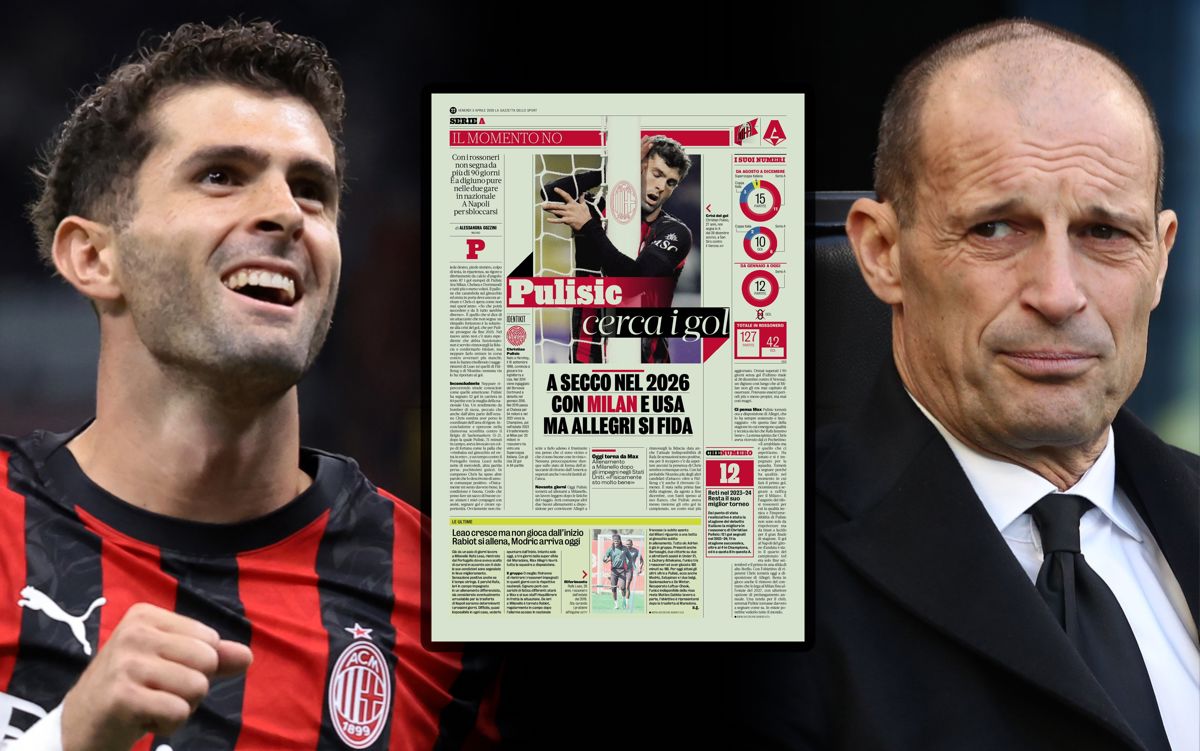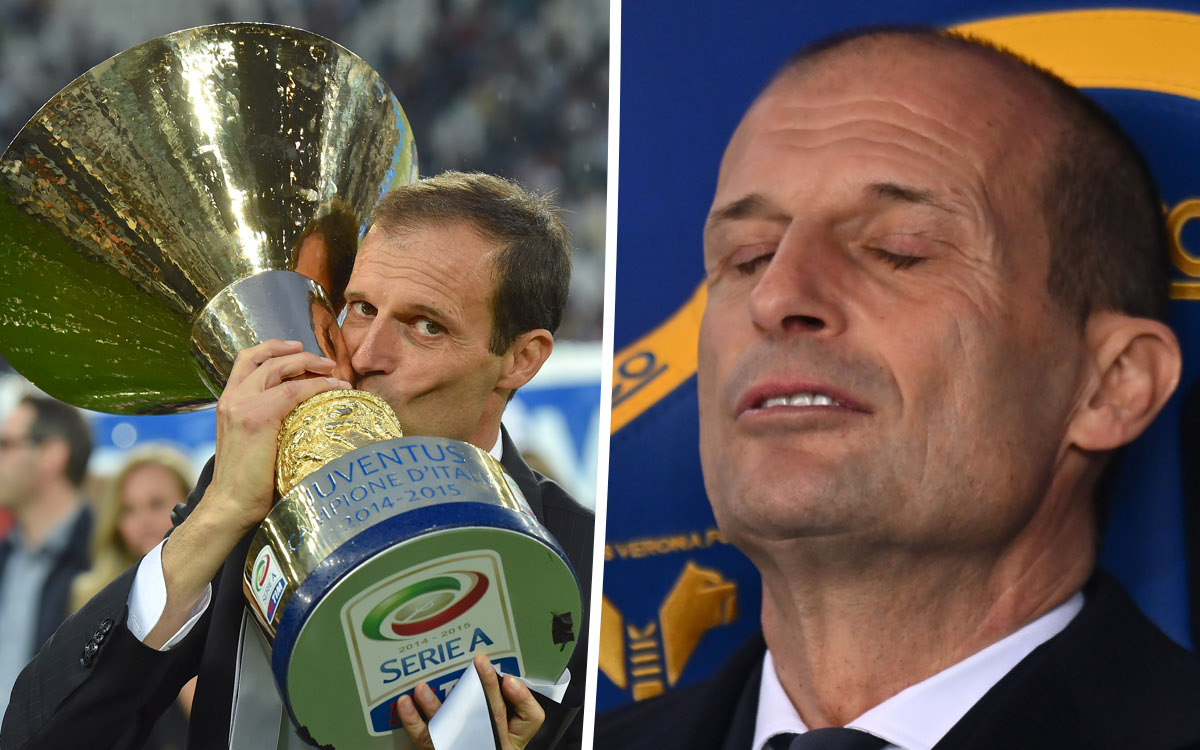
The Allegri Paradox at Milan
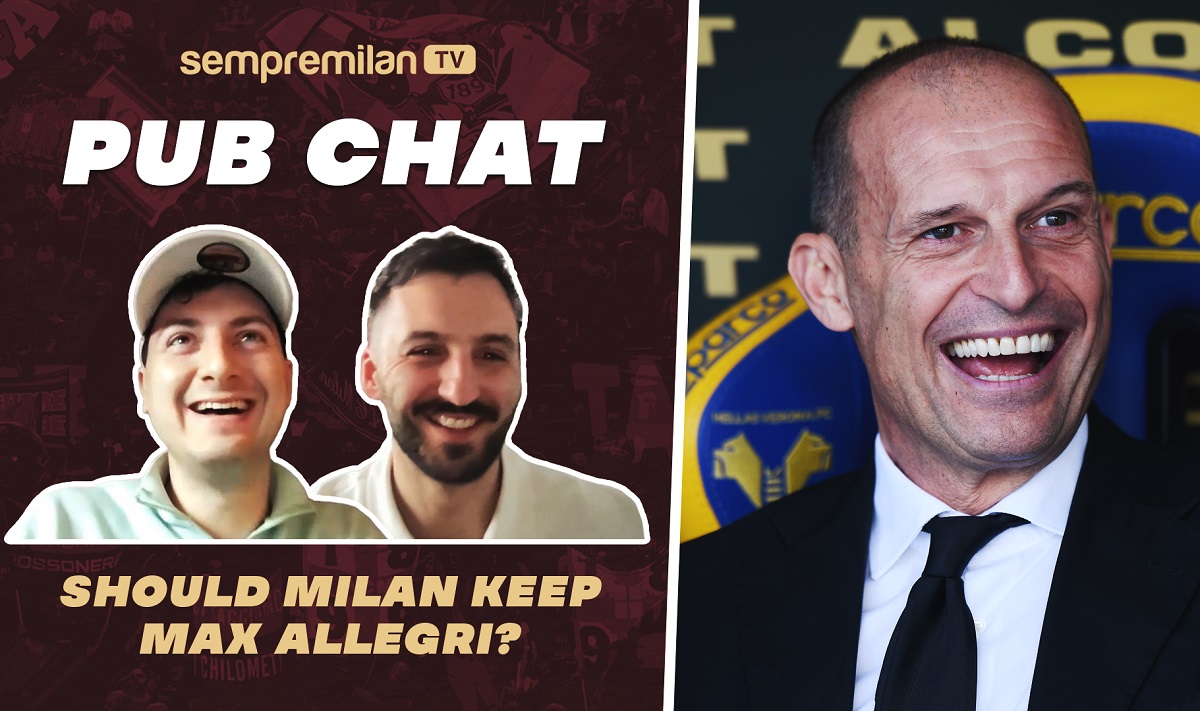
Massimiliano Allegri finds himself at the center of a vitriolic debate following his latest tactical shifts. While results dictate the narrative, the underlying strategy has left supporters divided. Some segments of the fan base, alongside vocal pundits like Lorenzo and Stefano, argue that continuity is the key to stability. As recent commentary suggests, the case for keeping Allegri hinges on his ability to navigate high-pressure fixtures without sacrificing defensive structure.
However, the skepticism remains heavy. Critics point to a perceived lack of attacking identity that often leaves the squad relying on individual moments of brilliance rather than cohesive play. At a club like Milan, where history demands dominance, settling for tactical rigidity is a massive gamble. The management is currently caught between the desire for immediate safety and the hunger for a more aggressive, modern offensive footprint.
The Role of Star Power
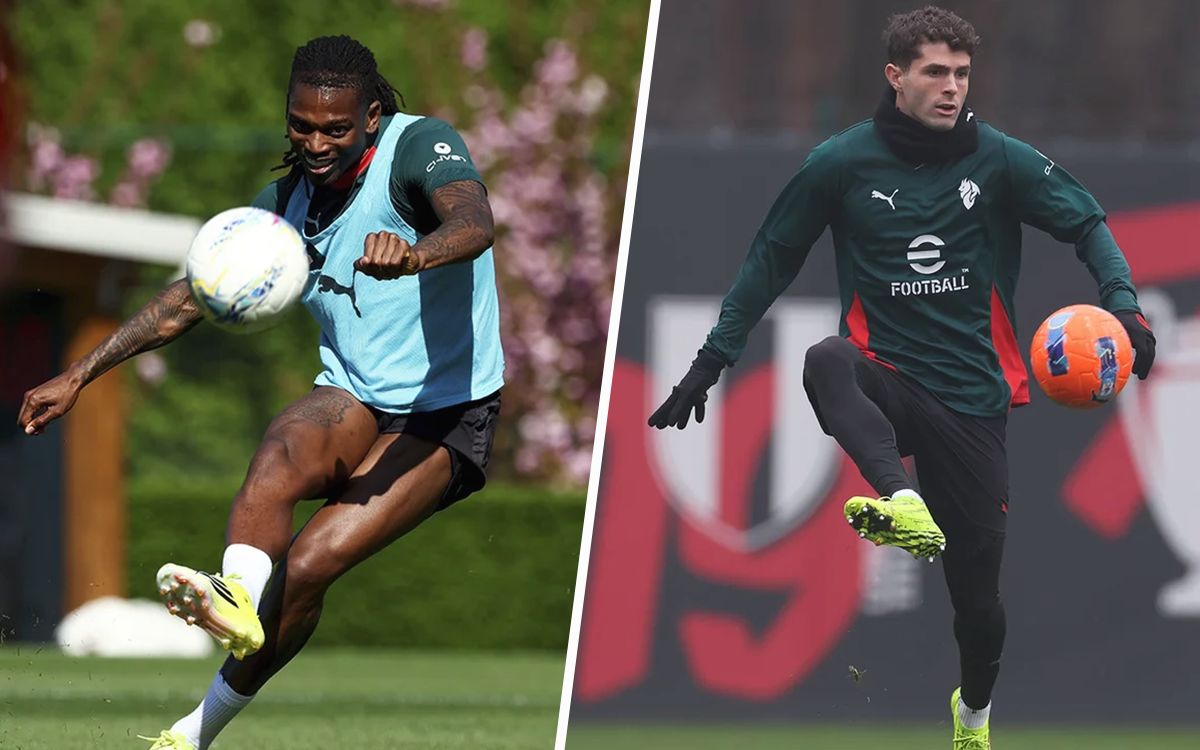
Allegri’s reliance on Rafael Leao and Christian Pulisic has become the most contentious talking point. The manager remains adamant that these players shift the reality of a game, stating that when they are dialed in, they can decide the match on their own. According to his post-match analysis, alleged reports detail his belief that their technical ceiling covers for the lack of collective fluidity.
"One of his best games."
That specific praise for Leao came after the winger tracked back and involved himself in the build-up far more than his usual standards. While the manager sees this as a sign of progress, it also highlights a flaw: the system seems to require Leao to play two roles at once to remain viable. If the marquee talent has to function as both the primary creator and a secondary defensive anchor, the structural integrity of the midfield looks compromised.
Defining the 'Important Point'
The manager labeled the recent stalemate an 'important point,' a phrase that typically triggers alarms for supporters of big-market clubs. Fikayo Tomori doubled down on this sentiment, citing the manager's internal motto regarding game management in his post-match comments. As reported by Sempre Milan, the defensive unit appears to be buying into the philosophy of limiting damage rather than chasing the win at all costs.
Is this pragmatism or fear? The tactical breakdown suggests that whenever Milan faces an opponent with deep reserves, like Juventus, Allegri pivots to a low-block approach that stifles tempo. While it prevents heavy losses, it starves the forwards of supply. For a spectator, watching 90 minutes of conservative football is a tough sell, especially when the goal difference remains stagnant in crucial stages of the campaign.
Where the Strategy Fails
The critical observation here is the lack of a 'Plan B' when the opposition disrupts the passing lanes to Pulisic. On several occasions this month, the team became predictable, funneled entirely through the flanks, and lacked central penetration. If the cross doesn't find a target, the entire move dies in the final third.
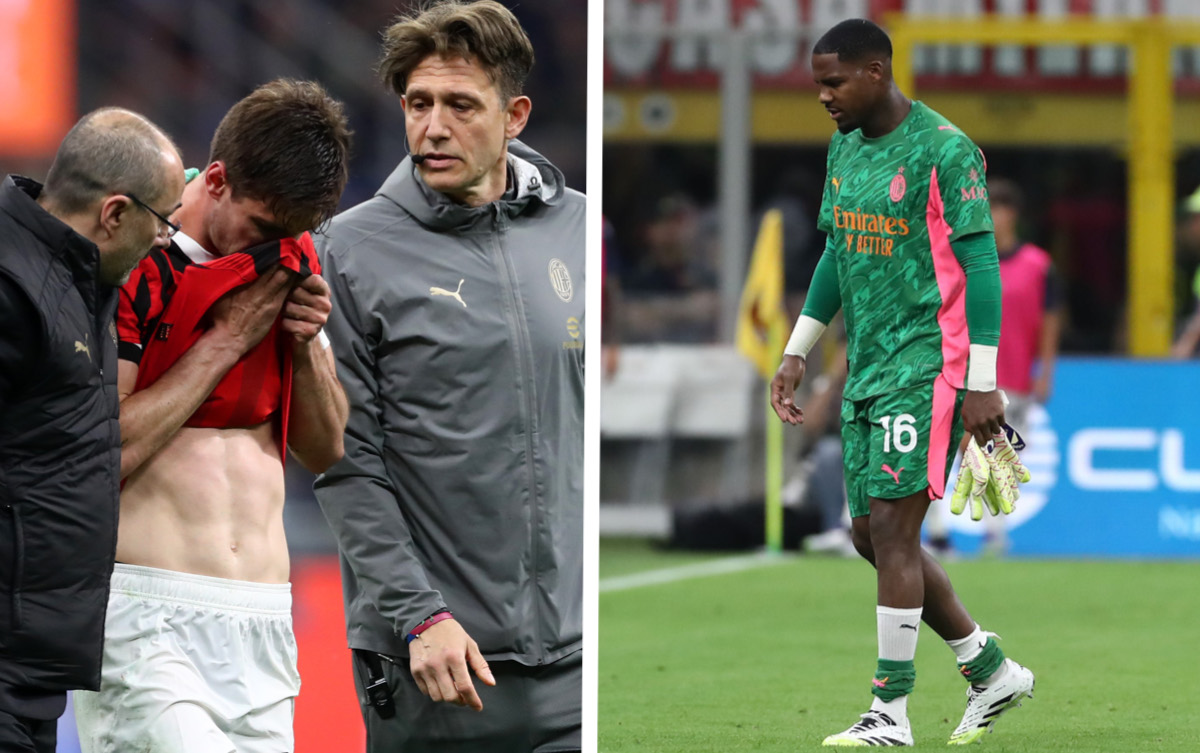
Relying on the 'Allegri motto' might ensure stability in the standings for now, but it rarely produces the kind of runaway momentum required for deep titles runs. The squad possesses the personnel to control the tempo, yet they frequently opt for a containment style that relies on counter-attacking speed. With the schedule density increasing, that choice might prove detrimental if injuries hit the key figures he relies on so heavily.
Management faces a binary choice: either double down on this veteran-heavy, conservative approach, or bring in someone who can extract more from the current roster through attacking intensity. The current path keeps the boat afloat, but it is not moving toward the title challengers at the speed the board likely intended. If the next two weeks yield more draws than victories, the 'important point' rhetoric will stop being a rallying cry and start sounding like an excuse.
Ultimately, keeping Allegri involves balancing his experience against his lack of evolution. He has successfully maximized the ceiling of individual players like Leao, but the net result is a side that looks fragile when the individual brilliance is neutralized. Whether this becomes the permanent identity of the side under his watch or merely a transitional phase is the question defining the current spring.