The myth of the mirrored gods
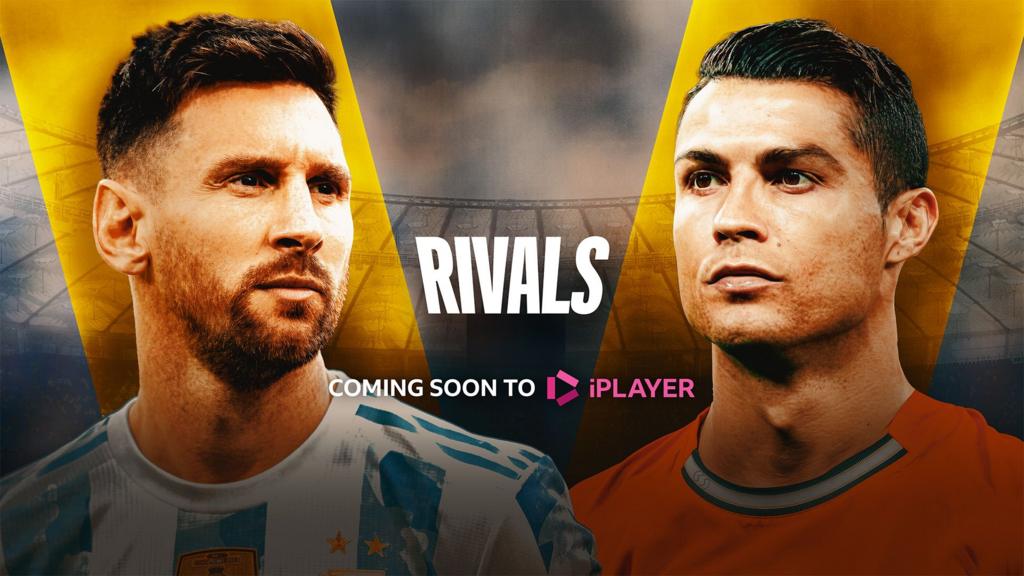
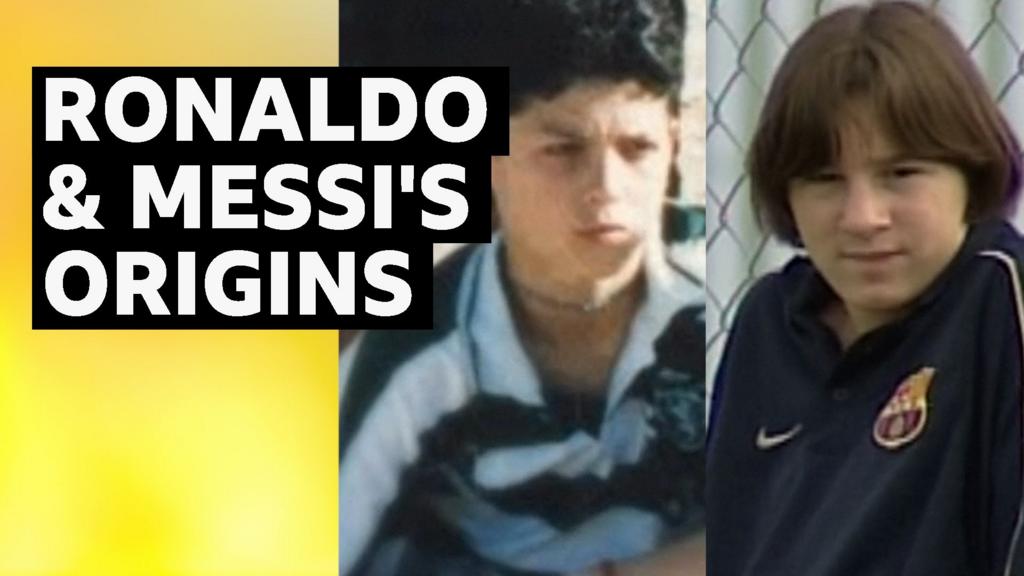
Every time a documentary drops about Messi or Ronaldo, some producer drags out the same tired narrative about how their struggle created their greatness. They want you to believe these two grew up from the same dirt, chasing the same dream with the same desperate hunger. I’m here to tell you that’s a load of absolute nonsense that ignores the reality of their climb.
Lionel Messi didn't struggle in a vacuum. He was a kid in Rosario with a growth hormone deficiency that threatened to end his career before he cracked the professional level. His story isn't about pulling himself up by his bootstraps; it’s about a club in Barcelona betting everything on a skinny teenager because they saw a level of technique that defied logic. He was a laboratory experiment in genius that paid off exponentially.
Cristiano Ronaldo is a completely different creature. You look at his early days at Sporting CP and it wasn't about refined clinical touch. It was about pure, unadulterated athleticism and the kind of work ethic that borderlines on a psychological disorder. He had to build the machine inside the gym just as much as he had to master the step-overs on the pitch. Messi was the prodigy who needed a system; Ronaldo was the prospect who had to out-sweat the entire planet.
The difference between a gift and a grind
People love to talk about how both players suffered through poverty and isolation, as if that creates a carbon copy mentality. But compare the 2008 Ballon d'Or race, where Ronaldo was already obsessed with being the prototype of the modern athlete, to Messi’s rise as the focal point of Guardiola’s tiki-taka. One was a self-made fortress; the other was a naturally occurring phenomenon.
Let’s talk about their flaws, because the hero-worship phase needs to die. Messi spent the better part of his career struggling to carry the weight of Argentina’s expectations, and for years, he went missing in big games under the pressure of that blue and white shirt. It wasn't until the 2022 World Cup that he finally silenced the ghosts that haunted him for over a decade. His vulnerability wasn't physical; it was entirely psychological.
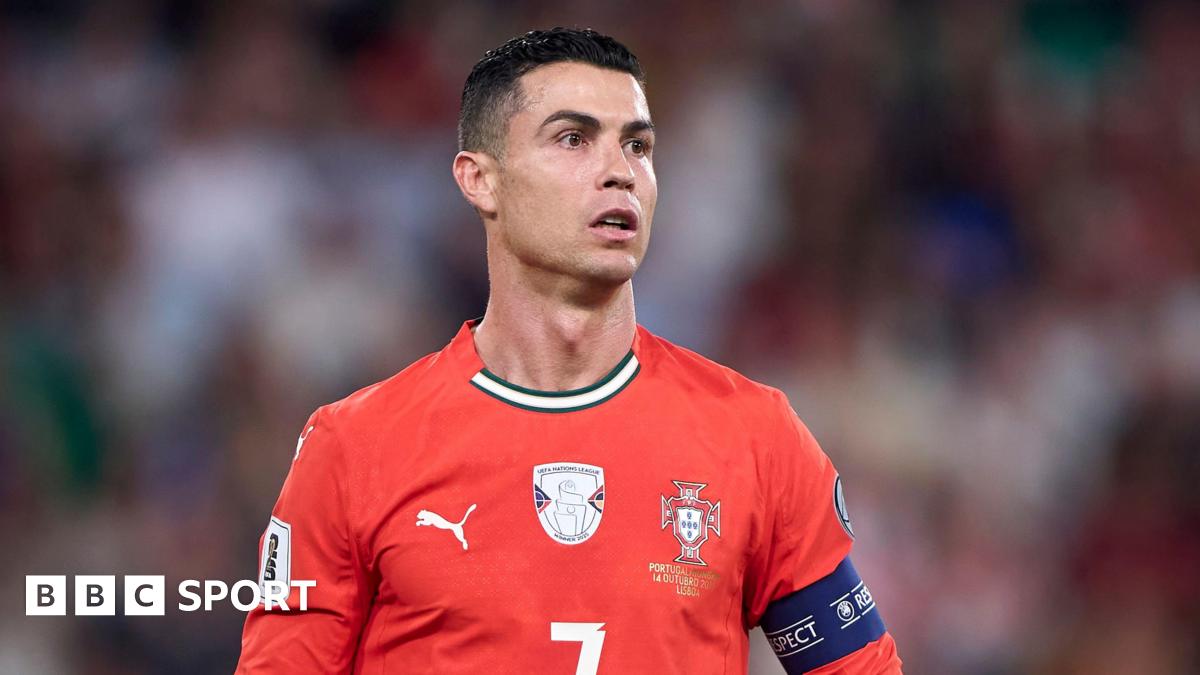
Ronaldo, on the other hand, struggles with the reality of time. He refuses to acknowledge that the human body isn't meant to run at peak capacity for two decades. Look at his recent stints in Saudi Arabia. He is still fighting the clock with the same manic intensity he had as a 19-year-old winger at Manchester United. It isn't just about his ego, although that is the size of a planet; it is a refusal to accept that the game has moved on to a younger, faster version of itself.
The bitter truth about their legacies
Comparing these two is like comparing a virtuoso violinist to a professional bodybuilder who decided he also wanted to be the greatest goalscorer in history. One relies on a vision of the game that no one else can see, while the other relies on a level of focused aggression that leaves defenders wondering if they were hit by a freight train. They weren't shaped by the same forge.
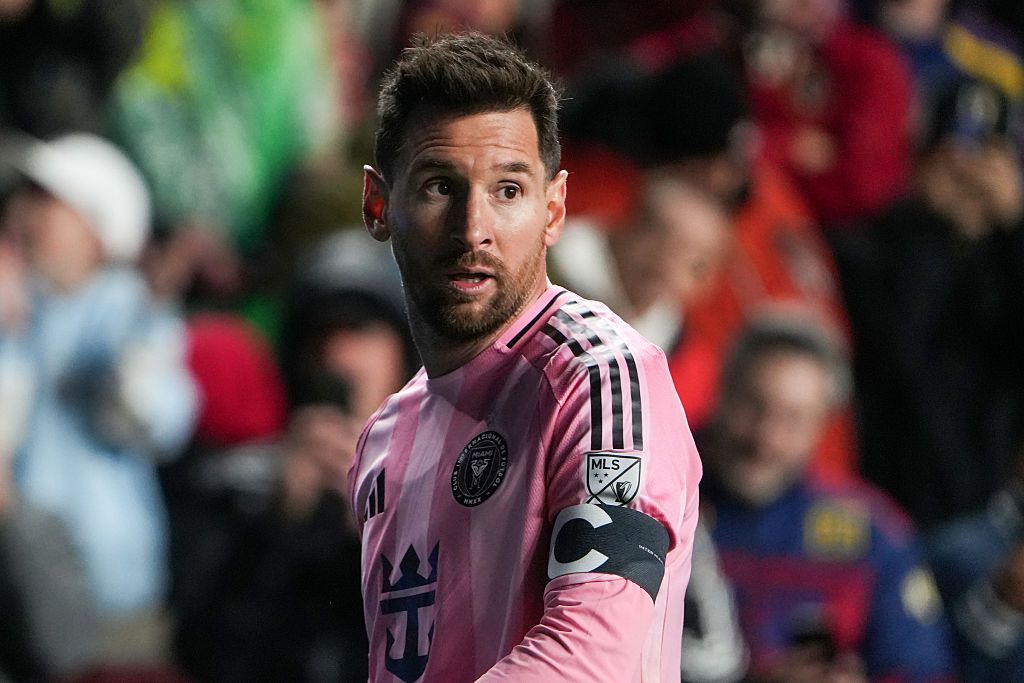
You see this divergence everywhere. Messi’s influence on the pitch at Inter Miami is about gravity—the way opponents freeze when he’s on the ball, allowing him to dictate the pace of everything around him. Ronaldo is still looking for that singular, selfish goal, the moment of glory that reaffirms his spot on the top of the mountain. It’s hard to watch objectively if you’re a fan of either, but it’s the honest reality.
As recent analysis of their careers has shown, ignoring the context of their origins does a disservice to the work they actually put in. We keep waiting for the next heir to these two, but we’re looking for a mirror when we should be looking for something totally different. The era of the demigod is ending, and we are left picking through the history books trying to find patterns in two lives that happened to run parallel, but never truly touched.
Their paths are just different breeds of obsession. Messi is the obsession with the game’s beauty; Ronaldo is the obsession with the game’s result. One is an artist; the other is a mercenary. We talk about them as if they’re two sides of the same coin, but honestly, that’s just lazy journalism. They aren't even playing the same game, and they never were.
If you want to understand the current climate of player movement, keep in mind how these two shifted the 2026 landscape by simply existing. Everything is a response to them. But if you think they’re the same, you’ve been watching the highlight reels instead of the actual games where it mattered most, like when the Champions League knockout rounds were decided in the 90th minute by pure force of will rather than shared origin stories.
Read Next
- Top 10: The Most Defining Moments of the Modern Era
- Top 10: The Definitive Footballing Moments of 2025-2026
- Stop lying to yourselves about the 2026 World Cup bracket
- The World Cup knockout bracket is a minefield for the favorites
- 🇦🇷 Argentina World Cup 2026 — Defending Champions Hub
- 🇵🇹 Portugal World Cup 2026 — A Seleção Hub