The Defining Shifts
The 2025-2026 season functioned as a brutal correction for European giants. Financial sustainability finally caught up with aggressive transfer strategies, turning the annual table into a war of attrition rather than just talent accumulation.
We rank the moments that shifted the competitive balance. These are the inflection points that forced managers out, changed club ownership architectures, and dictated the flow of this year's European trophy race.
1. The collapse of the private equity bailout fund
The failure of the proposed continental consortium to inject 4 billion euros into mid-table clubs effectively ended the spending madness we saw in 2024. This was not merely a financial deal; it was a reality check for owners who banked on endless broadcast revenue growth. Without this infusion, clubs like Valencia and Everton had to liquidate internal scouting departments to stay solvent. It ranks first because it forced the entire game to transition toward youth development models.
2. Girona's unprecedented Champions League quarter-final run
Girona proved that tactical intelligence beats deep pockets, knocking out two Premier League mainstays to reach the final eight. They operated with a wage bill less than 20% of their opponents, utilizing high-pressing inverted wingbacks to suffocate space. This run remains the most significant tactical proof-of-concept for the multi-club ownership model. It validates their data-driven recruitment while embarrassing big spenders who rely on star names.
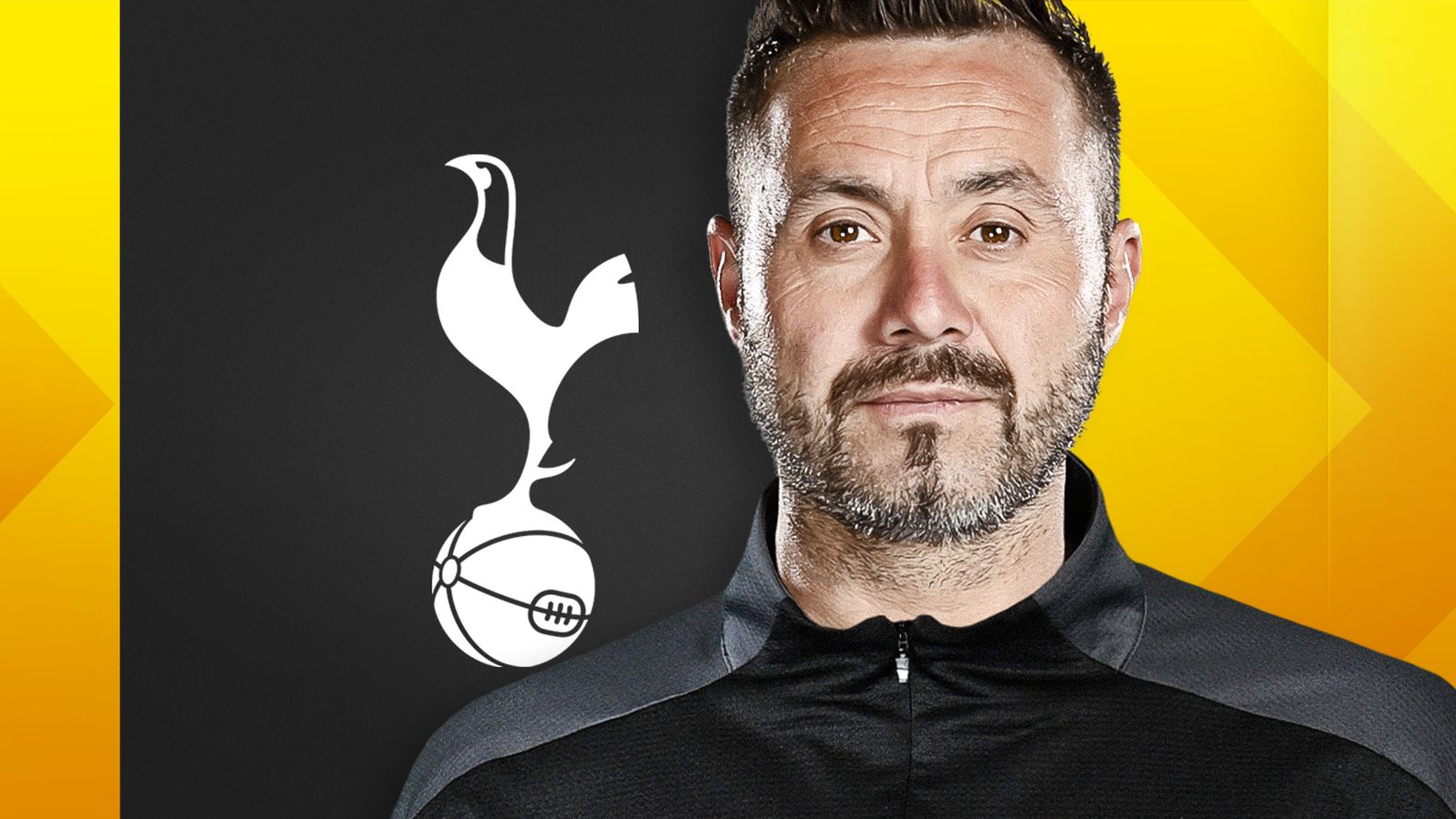
3. The surprise resignation of Ange Postecoglou
Postecoglou walking away from the rigors of the Premier League schedule felt like a systemic protest. While Sky Sports noted ongoing confusion regarding internal share structure at the London club, the burnout was visible. He refused to compromise his vertical attacking philosophy despite a lack of defensive depth, leaving the board scrambling. It was a rare instance of a coach prioritizing personal principles over club stability.
4. The 89th-minute equalizer at the Bernabeu
The Champions League semi-final between Madrid and City ended with a goal that defied physics, hitting the underside of the bar at 112 kilometers per hour. That singular strike essentially bankrupted a hedge fund manager who had bet heavily on a draw after regulation. It remains the most high-stakes piece of individual skill witnessed in a hostile environment this decade. Watching a veteran defender lose his footing in the rain ultimately decided the fate of the tie.
5. The implementation of the semi-automated offside sensor
The introduction of motion-tracking sensors inside the ball itself killed the debate over goal-line technology once and for all. While purists hate the disruption to flow, the decision to award a penalty via bio-sync in the 94th minute of a title-decider silenced the local media. It removed the human error element that previously defined refereeing controversies. However, it also stripped the game of that classic post-match grievance culture.
6. The injury crisis that derailed the French League title race
Paris Saint-Germain lost their top three central midfielders to ligament tears in the same training session in November. The resulting vacuum decimated their domestic dominance, allowing a disciplined Lille side to control the league for five months. It exposed the danger of relying on a squad so thin that one training drill causes a collapse. This proved that even with massive backing, poor load management ruins seasons.
7. The FA decision to mandate youth homegrown quotas
The English governing body finally pushed through the rule forcing clubs to field four academy graduates per starting eleven. This decision caused massive friction with agents looking to offload international project players. It forces managers to trust local talent rather than expensive imports. Success here relies on patience, which is something most Premier League boards lack.
8. Leverkusen remaining undefeated through February
Xabi Alonso managed to keep his squad hungry even after securing the top seed in their group early. The consistency displayed by his backline in mid-winter was remarkable, conceding only two goals across ten competitive games. It set a standard for fitness that the rest of Europe failed to reach. Unfortunately, their lack of squad depth showed during the final weeks of the spring.
9. The widespread protest against ticket price hikes
When fans in the Bundesliga voted with their feet, staying away from stadiums for three consecutive matchdays, the clubs blinked. The executive leadership eventually rolled back a planned 15% increase for the upcoming 2027 season. This was a necessary reminder that the game functions because of its audience, not its commercial partners. It was the most important fan-led intervention of the last thirty-six months.
10. The emergence of the 17-year-old Brazilian wunderkind
A specific teenager from Santos made his debut in the Copa Libertadores playoffs, recording three assists in his first two games. Elite scouts from Madrid and Manchester were seen scrambling for flight trackers within hours of the final whistle. His vision on the ball looks like that of a ten-year veteran. He ranks tenth only because a full season in Europe is still ahead of him.
Honorable Mentions
- The surprise overhaul of the Europa League format which confused every viewer.
- The record-breaking weather delay in Milan that pushed a kick-off back by four hours.
- The sudden shift to digital-only ticket platforms that left thousands stranded outside the stadium gates.