Measuring the gravity of Messi’s influence
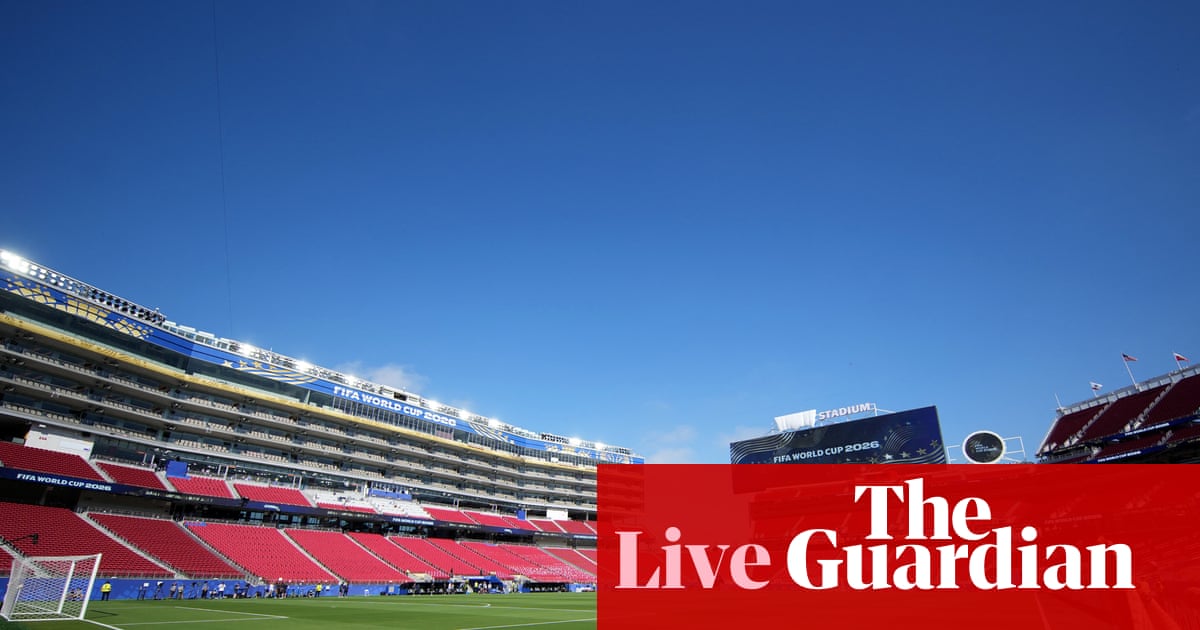
Lionel Messi is currently training in Kansas City, a spectacle that briefly obscures the tactical granularities of the actual sport. Recent research highlights that the phrase 'Messi World Cup' hit a peak relative interest index of 100 in both the United States and global markets during the two-year build-up to the tournament. This statistic is not merely a marketing metric; it represents a fundamental shift in how the game is consumed domestically. We are seeing a player who functions more as an entertainment vehicle than a traditional athlete in this stage of his career.
Tactical reality versus commercial hype
While the focus remains on his arrival in the Midwest, the real concern for analysts is how his presence impacts team structure. The demand for Messi-centric football forces coaches into a compromised secondary transition phase. When teams are built to accommodate a static playmaker, the defensive intensity often drops during the middle third of matches. This recurring pattern was evident during several international fixtures, where opponents exploited gaps behind the primary pressline.
We have seen Fulham’s recent managerial developments suggest a move toward more rigid, transition-focused philosophies. It is worth contrasting this with the lax defensive discipline often seen in side-projects involving global superstars. The tactical geometry of a match changes the moment a player of that pedigree touches the center circle. Every pass is forced through a specific funnel, limiting the diagonal outlet options that usually stretch a disciplined back four.
The Kansas City test
Fans in Kansas City are here for the myth, but the pitch offers the truth. Observing his movement during training sessions, it is clear that he operates at a walking pace to preserve burst capacity for the final third. For any side facing this specific profile, the trigger for the press must be delayed until the ball enters the ten-yard radius around his feet. The moment he receives possession, the spacing should collapse inward to negate his passing lanes to the wings.
Australia’s recent defensive struggles provide a cautionary tale for any squad attempting to maintain a high line against elite vision. As detailed in the analysis of the Australia vs Turkey matchup, conceding an average of 1.4 goals per game signals a catastrophic failure in transition coordination. If the home side in Kansas City attempts to mirror that aggressive, high-pressing posture, they will be dismantled by simple through-balls.
My prediction for the week ahead
Expect a disjointed opening 30 minutes as the defense attempts to locate their positioning before the inevitable breakdown occurs. I predict a high-scoring draw, perhaps 2-2, dictated entirely by individual moments of brilliance rather than collective tactical cohesion. The result matters less than the metrics, but watching the defensive shape fold under the pressure of a single player remains a compelling, if predictable, failure of modern coaching.
Read Next
- England's Kansas City gear theft was a logistical nightmare
- Neymar is missing the opener, and Brazil's gamble looks reckless
- The USMNT is finally playing direct, efficient football
- USA dominates Paraguay but the defensive lapses are still a headache
- 🇺🇸 USMNT World Cup 2026 — Team USA Coverage Hub
- 🇦🇷 Argentina World Cup 2026 — Defending Champions Hub
- ⚽ MLS 2026 Season Hub — World Cup Year Guide