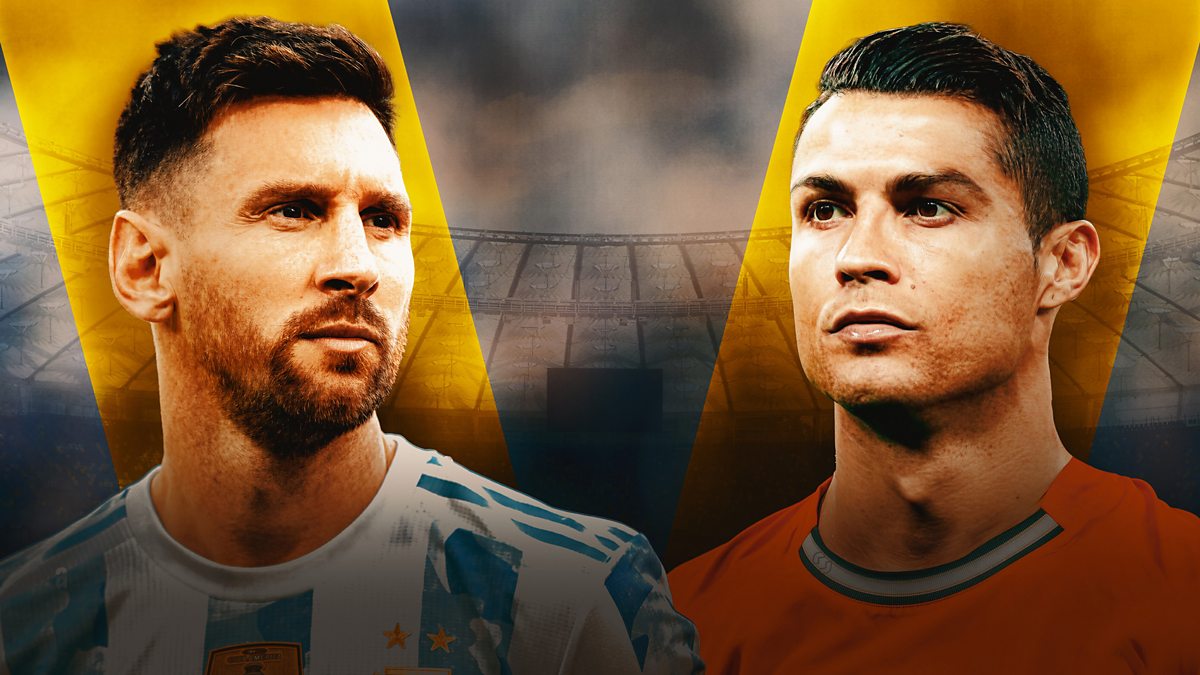
The physical toll of an aging icon
Lionel Messi is currently sidelined with a Grade 2 muscle strain in his right hamstring, according to recent medical briefings. The injury was sustained during a post-match sprint drill in Miami on June 14. This is not the first time Messi has struggled with chronic muscle fatigue, but at his age, the recovery windows are tightening significantly.
The medical staff confirmed the issue yesterday. Treatment involves daily physiological monitoring and restricted range-of-motion work. He is expected to miss at least 14 days of competitive action. This isn't just a minor knock; it is a clear indicator that the high-intensity demands of professional soccer are catching up to one of the game's most durable athletes.
Historical context of the great rivalry
For two decades, Messi and Cristiano Ronaldo maintained an unprecedented standard of fitness. As the BBC documented in their recent overview of the pair, their rivalry changed how players approach physical conditioning. They pushed each other to remain available for 60-plus matches a year for nearly fifteen seasons.
That era of near-perfect availability is now clearly over. While younger players now utilize advanced analytics to avoid injury, the veterans are operating on fading cellular recovery timelines. Messi has played over 1,000 professional games, an immense volume of output that inevitably wears down the connective tissue. The current injury serves as a reminder that even the most talented players are subject to standard human biological limitations.
The strategic fallout for the club
Missing Messi for two weeks creates a major tactical hole for his current side. The team structure is built entirely around his movement patterns, which allow for quick transitions and vision-based breakthroughs. Without his specific ability to delay and pick a pass, the coaching staff must experiment with a more direct, vertical playing style.
This is a critical oversight in the club's offseason planning. By building so much dependency on one individual, they have left themselves vulnerable to exactly this sort of mid-season fitness dip. If the squad cannot rotate effectively during his recovery, they risk dropping vital points against lower-table opponents. They are currently 4 points clear of the chasing pack, but that cushion could vanish quickly.
The reality of aging stars
Competitors viewing this injury will note the lack of depth on the right wing. Opposing managers no longer need to fear the sustained, 90-minute threat of a Messi classic because fatigue setting in after hour one is now a statistical probability. It changes the psychology of the pre-game briefing.
If you look back ten years to the prime of the Messi-Ronaldo discourse, injury reports were rare occurrences rather than expected developments. The sport has evolved into a much faster, higher-pressing game than it was in 2016. Players are clocking more sprints than ever before, punishing the bodies of stars who are well into their later professional stages.
This latest setback also forces a hard conversation about workload management. Can a club maintain its status while protecting a star who is increasingly fragile? The answer usually ends in a compromise that hurts the team's objective on the pitch. Expect a slower return-to-play protocol to ensure the hamstring does not become a recurring issue throughout the remainder of the summer surge.
Ultimately, the decline in availability is the final chapter of the most intense rivalry the sport has ever seen. Watching a player of this caliber struggle with basic muscle recovery is, for the purist, a difficult visual. It proves that despite the advancements in pitch-side technology and recovery chambers, the calendar remains undefeated.
The ripple effect on the league
Commercial fallout will also be significant. Ticket sales and broadcast interest oscillate heavily based on Messi's presence. When he is not on the team sheet, the league's viewership numbers frequently dip by double digits. Clubs that rely on his pulling power to move high-priced seats at away venues are already facing refund requests for upcoming fixtures.
The league office has yet to comment on how they plan to mitigate this. They cannot manufacture another draw on the same level as the Messi and Ronaldo era, which leaves them in a precarious position. The dependency on a singular star for marketing success is perhaps their most glaring error of the last three years. By failing to diversify their storytelling, they have ensured that this injury hurts the entire competition, not just one franchise.
The return date is currently penciled in for July 1, pending a successful scan. Whether he can return to full speed immediately is uncertain. If he experiences a setback during the first session, the timeline will inevitably extend further into the late summer window.