The cost of recurring misconduct
With the 2026 World Cup kickoff now just nine days away, the Mexican Football Federation (FMF) finds itself in a precarious position. Their final appeal against FIFA fines regarding discriminatory fan chants was officially denied today. This ruling confirms that despite a decade of public awareness campaigns, the Federation remains liable for the behavior of its supporters.
The financial penalty is secondary to the reputational damage. While internal reporting suggests the FMF spent over 15 million pesos on educational initiatives and stadium monitoring systems since 2022, on-field incidents have not subsided. The pattern is clear: fans continue to engage in behavior for which the federation is held strictly liable under FIFA disciplinary regulations.
Tactical focus versus regulatory distraction
From a technical standpoint, the team’s preparation for the Azteca opener is being undercut by these administrative hurdles. National team staff have been forced to split their attention between match-day pressing triggers and public relations damage control. This is a significant distraction given that Mexico currently faces a 42% loss rate in high-stakes matches against top-ten UEFA ranked opponents, dating back to 2024.
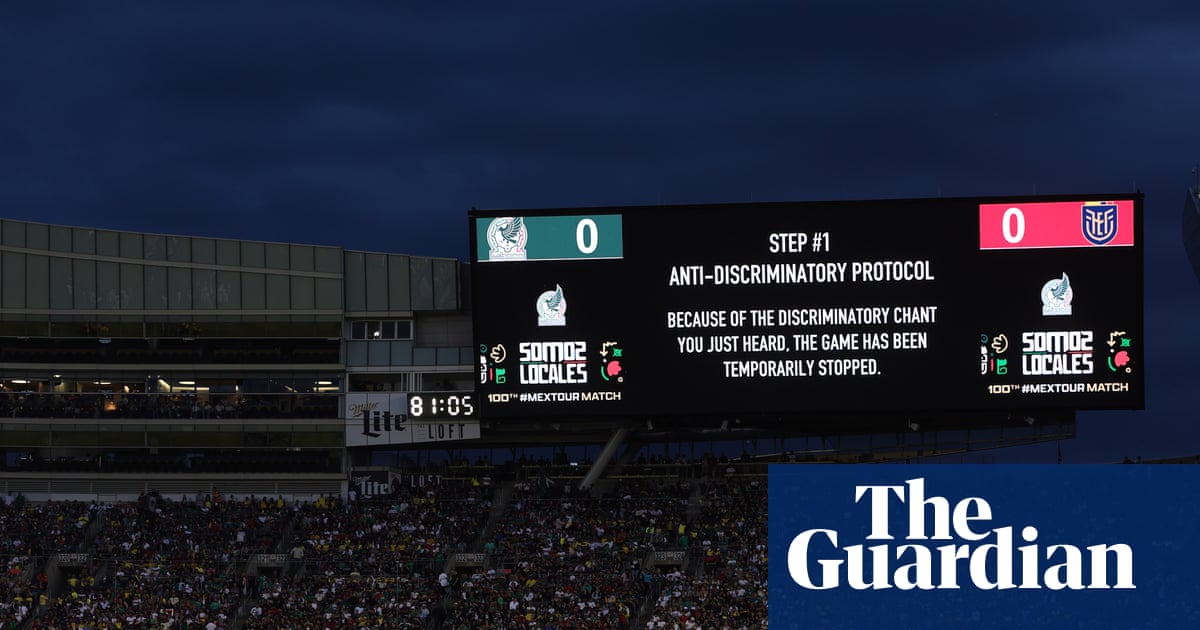
As The Guardian reported, the FMF has been attempting to argue that they have implemented reasonable measures to curb the chants. However, the repeat nature of these incidents triggered an escalation in sanctions. The FIFA disciplinary committee maintains that proactive security measures in stadiums must yield measurable results in attendee behavior rather than remaining merely aspirational.
The statistical reality of the venue
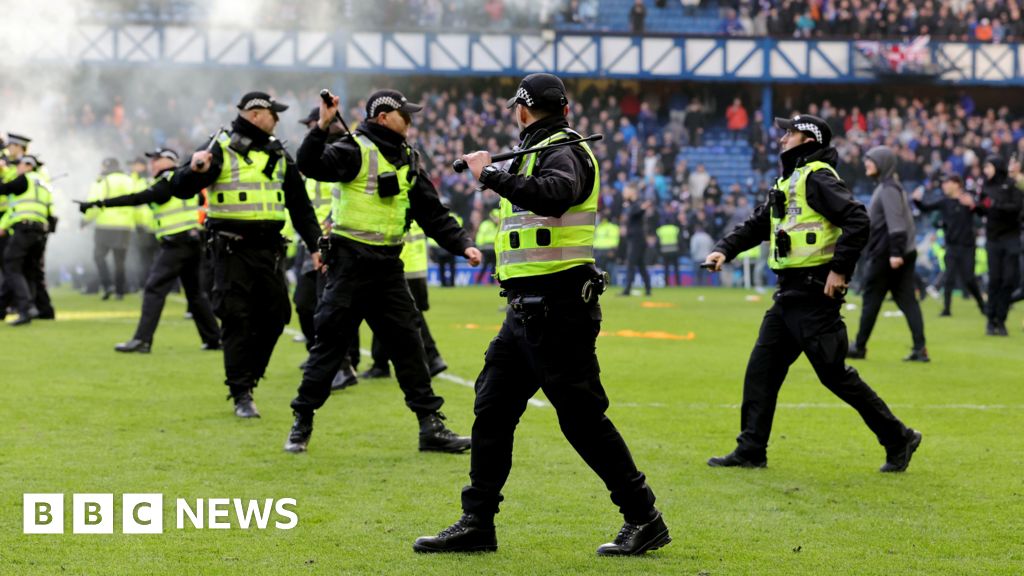
The Azteca remains a fortress for the national squad, but the crowd's volatility is a genuine bottleneck to home-field advantage. In the last twelve months, the FMF reported that security personnel had to eject 312 individuals for conduct-related infractions during qualifiers. That figure represents a 12% increase in stadium ejections compared to the 2023 calendar year.
The irony is that the federation is betting heavily on mass engagement to sustain a successful tournament cycle. As noted in recent analysis, AEW is betting big on the Mexican market for their 2026 expansion, signaling that international sports entities view the region as a primary growth zone. If the FMF cannot regulate its own fan base, it risks alienating the sponsors and international partners who view these upcoming matches as the centerpiece of the 2026 World Cup.
The organizational fatigue factor
This situation mirrors other structural issues within the region’s sports sphere. Similar to how CMLL's Arena Puebla experiment is showing signs of fatigue, the FMF is struggling to maintain a consistent standard across a high-volume schedule. Scheduling pressure often leads to a decline in quality control.
The Federation’s reliance on standard disciplinary letters rather than radical changes in stadium entry policies suggests they are behind the curve. They are currently looking at a total sanction bill exceeding $200,000 USD for the pre-tournament cycle alone. Every dollar spent on a fine is a dollar not invested in youth scouting or infrastructure improvements, creating a negative feedback loop for future performance output.
Read Next
- France and Brazil are on a collision course to ruin everyone’s bracket
- England’s squad numbers hint at Southgate’s tactical plans
- Japan are exploiting the World Cup's new substitution rule
- Arsenal are playing Russian Roulette with William Saliba's back
- 🏆 World Cup 2026 — Full Coverage Hub
- 🇲🇽 Mexico World Cup 2026 — El Tri Hub