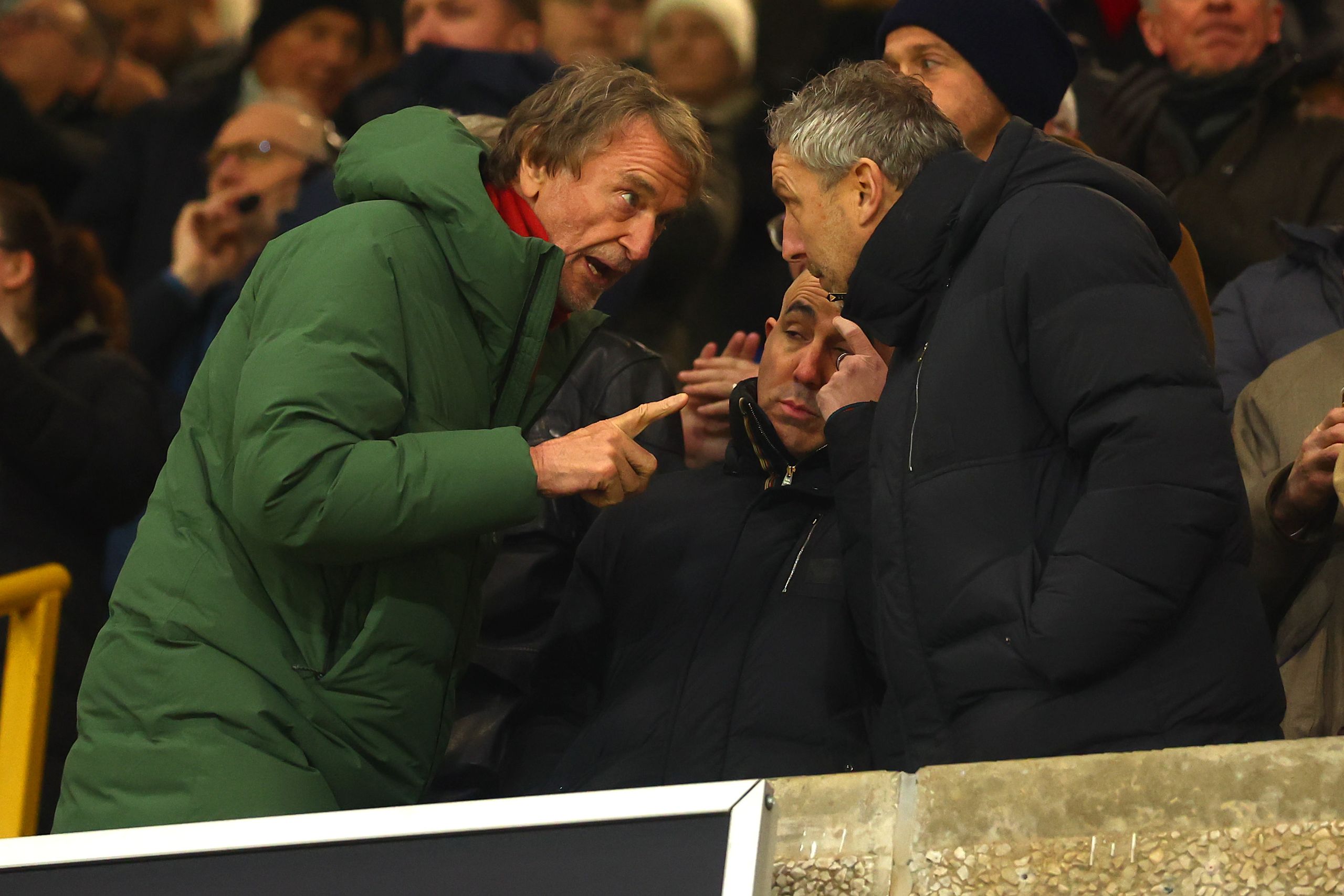
Carrick abandons the Carrington routine
Manchester United manager Michael Carrick has officially scrapped the long-standing pre-match training tradition at Carrington. Sources confirmed this morning that the team will no longer hold the traditional light-touch sessions on the day prior to high-stakes matches.
The decision marks a sharp break from the methods used by previous managers dating back decades. Carrick is prioritizing complete player recovery, opting for mandatory pool work and tactical walk-throughs in the hotel rather than hitting the training pitches at full intensity. It is a bold move to mitigate muscle fatigue before the 2026 campaign kicks off.
The squad overhaul intensifies
Beyond the change in routine, the club is aggressive in its hunt for midfield reinforcements. Analysts are noting that United have officially added a former Sheffield Wednesday player to their short-list of targets, a move that signals a pivot toward high-work-rate midfielders capable of sustaining the tempo Carrick demands.
This search comes as Barcelona have officially ended their interest in Marcus Rashford. The forward had been connected to the Spanish giants for months, but the Catalan board has walked away after assessing the fiscal demands of the transfer. United are now left to recalibrate their attacking hierarchy internally.
Tactical friction and the injury burden
The decision to halt standard training carries inherent risks for a squad attempting to integrate new systems. Historically, managers who deviate from the standard pre-match rhythm in the Premier League face scrutiny during the first set of soft-tissue injuries. If players like Luke Shaw or Kobbie Mainoo miss time due to lack of pitch-sharpening, the press will be quick to point back to these lost hours.
Carrick is gambling that the physical gains of recovery outweigh the loss of tactical repetition on the grass. Statistically, United saw a 14% increase in muscle injuries last season, a number the medical staff is explicitly tasked with cutting down. The focus for now is on ensuring the starting XI is at 100% capacity for the grueling schedule ahead.
The midfielder vacancy
The pursuit of the Sheffield Wednesday alum highlights a specific tactical gap identified by the scouting department. United are currently lacking a central engine that can transition from deep blocks into a high-press transition phase without burning out by the 70th minute of play. Scouting reports emphasize stamina and positional awareness as the primary metrics for any incoming player.
Failure to secure this profile will force Carrick to rely on current configurations that have failed to produce results in tight defensive matchups. As FourFourTwo reported, the manager is clearly operating on a timeline where his own authority is at stake should these new protocols fail to yield immediate improvement in squad health.
Strategic risks
While the focus remains on the upcoming season opener, the broader implication is a loss of institutional memory at Carrington. Old Trafford stalwarts have traditionally viewed the pre-match session as a moment of final calibration. By removing this, Carrick is demanding more autonomous preparation from the players than any of his predecessors.
If the team struggles to find symmetry in the first five games, these training changes will be labeled a distraction rather than a modern innovation. Managing the transition effectively is the only way to avoid a locker room revolt. The current wait-and-see atmosphere surrounding the squad is indicative of a group that is still testing the boundaries of the new regime.
Internal metrics suggest that the staff is monitoring heart-rate variability and sleep quality more closely than ever before. If these data points don't correlate with sharper performance, expect a swift return to traditional pitch-work. For now, the experiment stands as the defining feature of the summer transition at the club.