The Carrick Correction
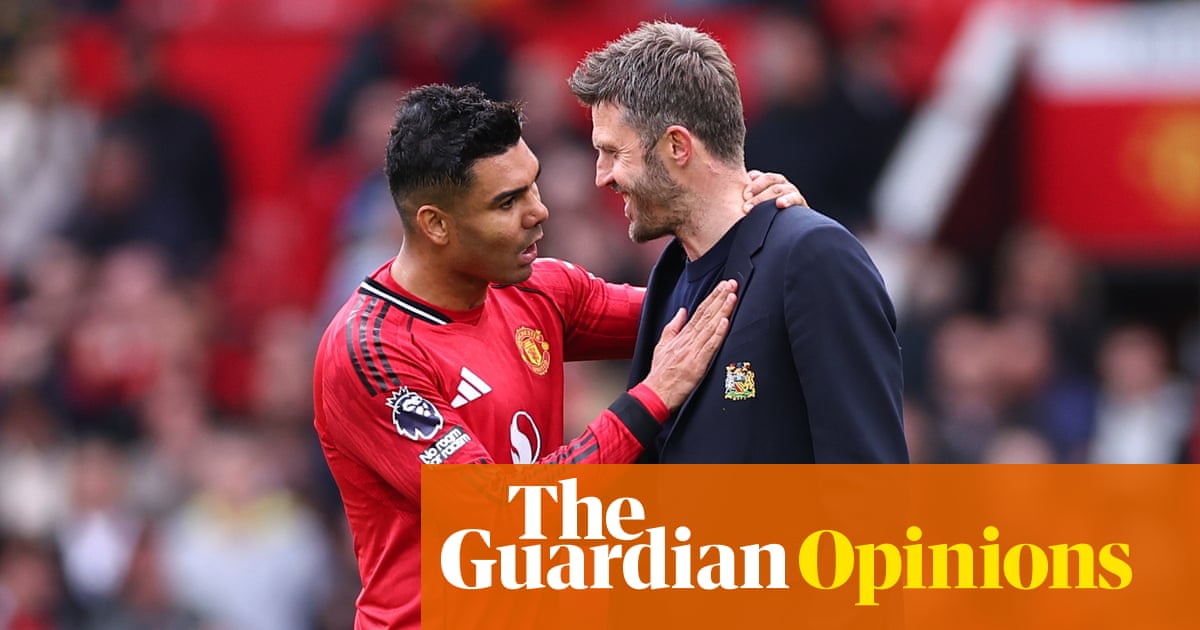
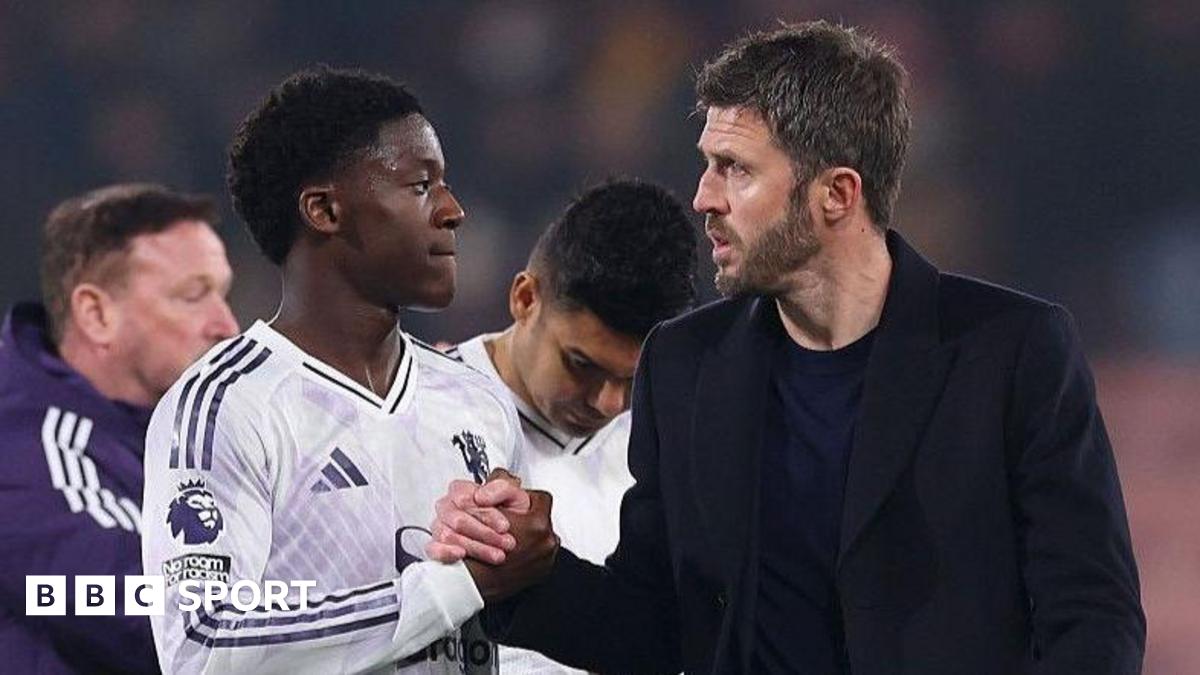
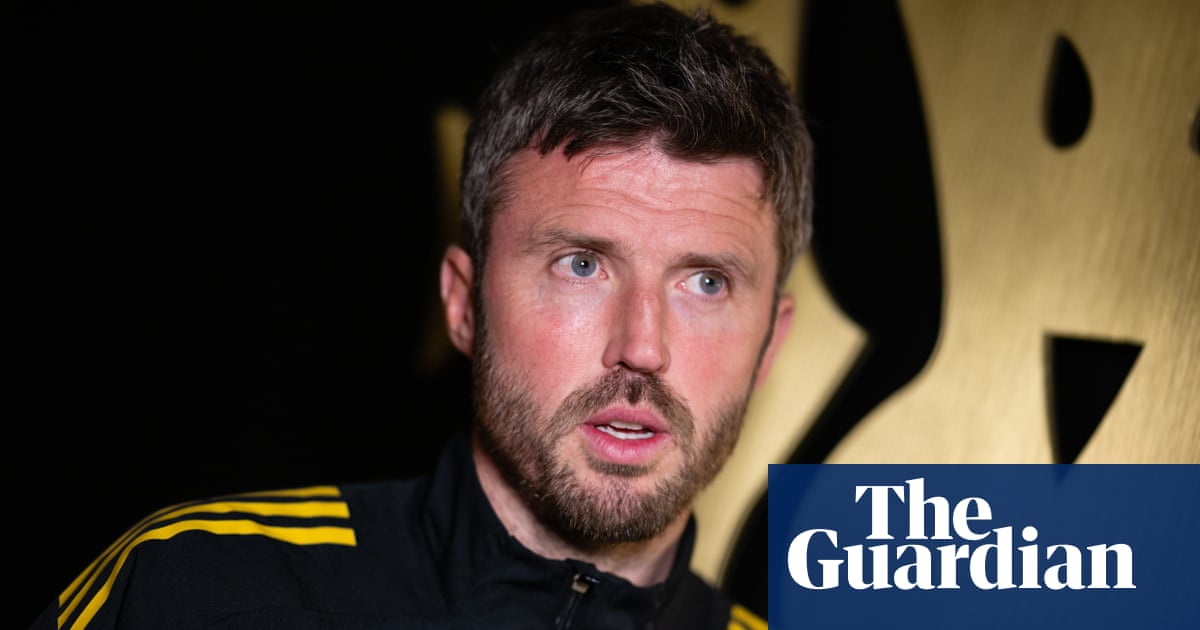
Manchester United’s season has been a study in erratic tactical identity. After the failed Ruben Amorim regime, the appointment of Michael Carrick provided a necessary, if uninspired, return to baseline functionality. Bruno Fernandes has been vocal about the shift, noting that the squad finally possesses a coherent tactical framework again.
The current dressing room mood contrasts sharply with the chaos seen during the winter months. Carrick has prioritized verticality, a direct deviation from the possession-heavy, often stagnant buildupplay that defined the previous regime. The results have been steady, though the tactical ceiling remains low.
The Anderson Equation
Transfer chatter is already beginning as the club scouts squad optimization for the summer window. Reports regarding an Elliott Anderson swap deal are circulating, signaling a shift toward younger, high-energy profiles. It is a shrewd move for a midfield that often looks a step behind in transition.
United is currently utilizing a mid-season training block in Dublin to drill defensive transitions. The objective is clearly to stop the leakage of soft goals, which reached an unacceptable frequency earlier this term. Without a stable defensive five, Carrick’s system—relying on counter-pressing off triggers rather than sustained possession—will collapse under pressure from top-four opposition.
Tactical Realities and Off-Pitch Noise
The reliance on individual brilliance from Fernandes remains the primary flaw. When the captain is marked out of the game, the team lacks a secondary creator capable of breaking a low block. This over-dependency is a structural failure that no coaching shift has yet managed to fix.
Away from the pitch, the club’s offshoot, FC United, is dealing with administrative disasters. A recent confrontation involving a non-league chairman highlights the often disorganized nature of lower-league scheduling and communication. It is a distraction the main club barely needs, though it echoes the lack of professional oversight that permeated the higher levels of United for years.
The Run-In Outlook
United faces a demanding end to the calendar. With the heavy lifting required to secure European football for next season, Carrick needs the coaching staff to extract 15 points from the remaining fixtures to have any hope of salvaging the campaign. His record since taking the helm is positive, yet he lacks the pedigree to suggest this is sustainable long-term.
The Dublin trip must evolve beyond simple fitness drills. It needs to forge a defensive rhythm that wasn't present during February’s league losses. If United continues to allow opponents high xG chances from central areas, the final table will look significantly worse than current optimism suggests.
Final Verdict
Expect United to grind out a result in their first match back post-Dublin, but the underlying metrics will remain cause for concern. Carrick has achieved a 0.3 goal difference improvement, which is commendable but likely insufficient for a top-six finish. I predict them to finish the season in 7th—holding the squad together, but failing to spark a serious late-season revival.
Read Next
- Carrick's United: Messiah or Mirage? Fans Go Wild Over New Era Talk
- Manchester United target Arsenal teenagers as transfer frustration grows
- Bruno Fernandes isn't going anywhere and that might be a problem
- Andy Robertson's departure: The scramble for a Premier League veteran
- 🇵🇹 Portugal World Cup 2026 — A Seleção Hub