The boring choice is usually the right one at San Siro
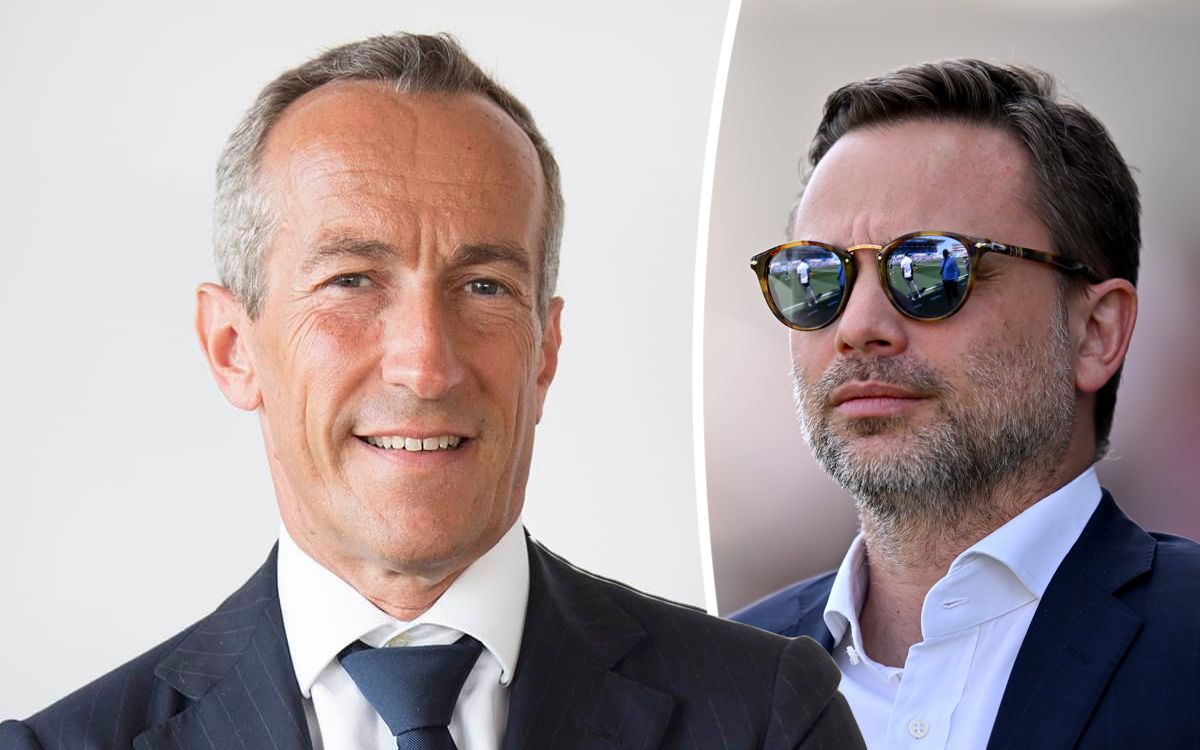
If you spent any time on Milan Twitter during the dark days of Kevin-Prince Boateng’s second stint or the Philippe Mexes era, you know that 'continuity' used to be a dirty word. It usually meant keeping a finished midfielder on a three-year deal because he was good in a locker room. But the news from Tuttosport that Jovan Kirovski and Vincenzo Vergine are staying put is the kind of boring, sensible news that actually wins trophies three years down the line.
Milan Futuro is not just a vanity project for Zlatan Ibrahimovic to look busy. It is the only thing standing between the club’s best prospects and the scrapheap of Serie B loans that have murdered so many careers. By keeping the leadership intact, RedBird is finally admitting that you cannot build a production line if you change the foreman every six months. It is a rare moment of sanity in a club that usually treats its organizational chart like a game of musical chairs.
The Ibra shadow and the Kirovski experiment
Let’s be real about Jovan Kirovski for a second. When he showed up from the LA Galaxy, half the fanbase assumed he was just there to be Zlatan’s designated vibe-checker. It felt like a 'jobs for the boys' move straight out of the MLS playbook. But Kirovski has spent the last year grinding in the trenches of Serie C, which is basically a 90-minute cage match disguised as a football league.
Serie C is where technical dreams go to die under the boots of 34-year-old defenders who haven't seen their feet in a decade. Kirovski’s job with Milan Futuro was to navigate that swamp. Moving a kid like Francesco Camarda from the Primavera—where he was essentially playing against toddlers—into a league where men are playing for their mortgage payments was a massive risk. The fact that the U23s haven't folded like a lawn chair suggests Kirovski actually knows what he’s doing behind that California tan.
We have seen what happens when these projects lack a clear vision. Look at the way some English clubs treat their U21s like a parking lot for failed transfers. Kirovski has kept the focus narrow. It’s not about winning Serie C; it’s about making sure Mattia Liberali doesn’t get his legs snapped by a guy named Giuseppe who works at a bakery on Tuesdays. Continuity here means Kirovski can actually finish the recruitment cycles he started without a new director coming in and deciding we suddenly need a bunch of 22-year-old 'projects' from the Belgian second division.
Vergine is the secret weapon we stole from Roma
While everyone focuses on the first team’s struggle to keep a clean sheet, Vincenzo Vergine has been quietly fixing the plumbing. Bringing him in from Roma was arguably the best piece of business Milan has done since Mike Maignan’s agent picked up the phone. Vergine turned the Roma academy into a literal ATM, spitting out players like Nicola Zalewski and Edoardo Bove to fund their chaotic first-team spending habits.
At Milan, the youth sector has been a mess of 'what ifs' for years. We produce a Hachim Mastour every decade—a YouTube highlight reel that evaporates the moment a defender actually tackles him. Vergine doesn't do highlight reels. He does structural integrity. He looks at a 14-year-old and sees a tactical asset, not a social media brand. Keeping him means the 'Milan Way' actually starts to mean something other than just wearing a red and black tracksuit while losing to Inter's academy 3-0.
The critical flaw in the old Milan system was the gap between the U19s and the senior squad. It was a canyon. Vergine has spent his first stint bridge-building. If you fire him now, you’re essentially tearing down the bridge when the concrete is still wet. We’ve seen other clubs try to 'revolutionize' their youth setup every two years, and all they end up with is a bunch of confused teenagers and a massive scouting bill. Vergine staying is a sign that the club finally values the process over the press release.
The Camarda tax and the reality of the jump
Everything in the youth sector eventually comes back to Francesco Camarda. He is the sun that every other planet in the Milan Futuro solar system orbits. If he doesn't make it, the entire U23 experiment will be labeled a failure by the guys screaming on the radio. But the jump from 'wonderkid' to 'Milan starter' is the hardest 100 yards in world football. It’s why keeping Kirovski and Vergine is so vital for this specific kid.
We’ve seen what happens when you throw a teenager to the lions without a support system. Remember Alexandre Pato? His hamstrings were basically made of wet tissue paper by the time he was 22 because the club didn't know how to manage his transition. Kirovski and Vergine are the guardrails. They are the ones telling the first-team coach to shut up when he wants to bench a kid after one bad turnover in a cup game. They provide the political cover that young players need to actually fail and learn from it.
The negative observation here is that despite all this 'continuity,' Milan still feels miles behind Juventus in terms of actual integration. Juve Next Gen has already produced Nicolo Fagioli, Fabio Miretti, and Kenan Yildiz. Milan Futuro is still in the 'trust the process' phase, which is a dangerous place to be in Italy. If we don't see Zeroli or Bartesaghi starting at least 15 games next season, then all this talk about continuity is just corporate speak for 'we’re too cheap to hire anyone else.'
Why the fans should actually be happy for once
I know, I know. Being a happy Milan fan feels like a betrayal of our heritage of constant misery. But look at the alternative. If Kirovski and Vergine left, you’d have a three-month period where nobody knows who is in charge of the contracts for the best U17s in the country. Agents would be circling San Siro like vultures, whispering in the ears of parents about moves to Dortmund or Benfica. We’ve lost enough talent to the Bundesliga because our internal structure was a disaster.
Stability is a competitive advantage. When a scout from Milan goes to a house in Lombardy to talk to a kid’s parents, they can now say, 'The guys who signed your son will still be here when he turns pro.' That matters. It’s the reason Atalanta has been punching above their weight for twenty years. They don't have a better stadium or more money; they just have the same guys in the same offices who know exactly what an Atalanta player looks like.
The report from Tuttosport might not get the pulses racing like a 60 million euro bid for a new striker, but it’s the foundation. You can’t build a penthouse on a swamp. For the first time in the RedBird era, it feels like they’ve actually stopped digging and started pouring the concrete. Whether that concrete holds up when the first team inevitably hits a slump in November is another story, but for today, Milan is acting like a club with a plan rather than a club with a pulse-check.
The meat grinder of Serie C awaits
As we head into the final stretch of the season, with the UEL and UECL Quarter-Finals happening today, the focus is naturally on the shiny trophies. But the real work is happening in the midweek games in places like Pontedera and Gubbio. That is where Kirovski’s project lives or dies. It’s a brutal, unglamorous meat grinder that tests whether a player actually wants to be a professional or just wants the lifestyle.
If Milan Futuro finishes in a playoff spot, it will be a minor miracle given how young the squad is. But even if they don't, the continuity of leadership means they can analyze the failure properly. They can say 'we need more physicality in midfield' or 'we need a veteran goalie to talk the kids through the game' without having to explain the entire concept of the club to a new sporting director. It’s the kind of incremental improvement that is invisible to the casual fan but obvious to anyone who actually understands how a football club functions.
So, let the critics moan about a lack of 'big moves' in the front office. I’d rather have Vergine and Kirovski building a boring, functional ladder to the first team than a flashy 'super-director' who spends his first six months firing everyone and his next six months getting fired himself. Milan has tried the revolution route a dozen times. It’s about time we tried the 1-0 win of administrative stability.