The Portugal Rehab Plan
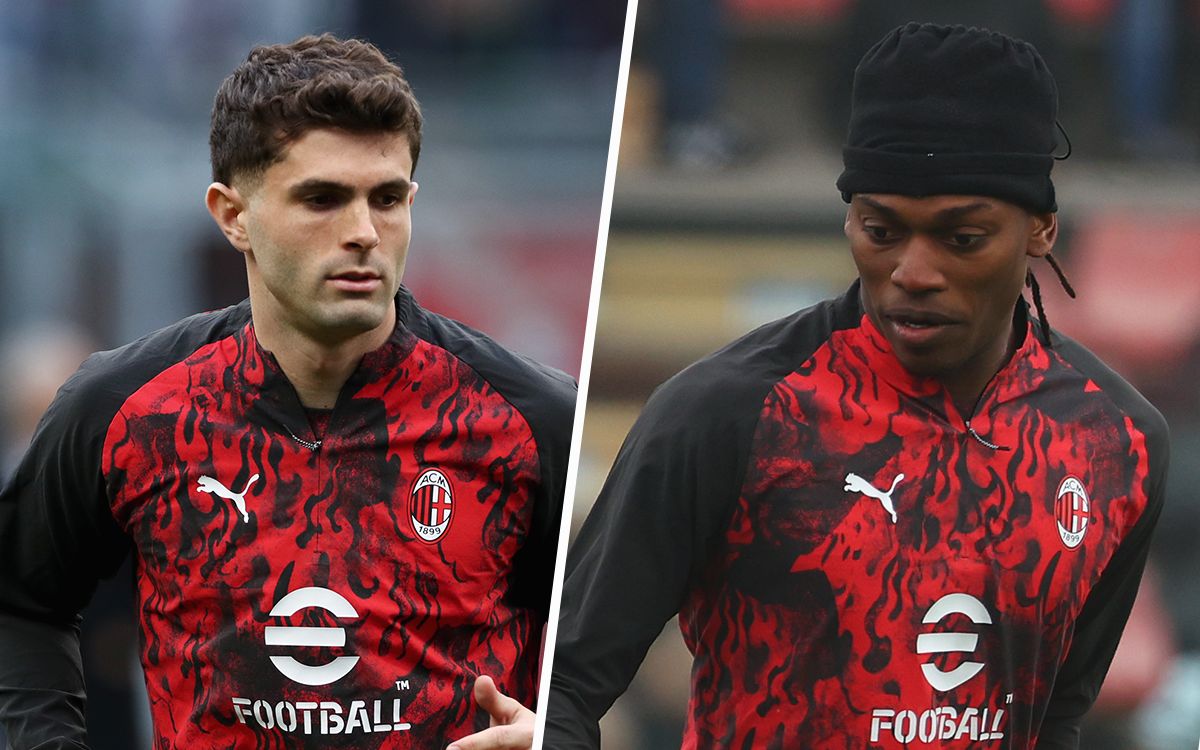
Rafael Leao is not coming back to Milanello anytime soon. The winger is remaining in Portugal to undergo specialized treatment for his latest injury setback. It is a decision that immediately raises red flags regarding his availability for the decisive months of the campaign.
When a player stays in his home country for rehab, it usually signals a multi-week absence. Clubs prefer to keep players in-house unless they are working with trusted national team specialists or dealing with a complex issue that requires a specific physiotherapist. The decision to keep him away from Milan’s medical staff suggests a highly tailored recovery program.
The reports coming out of Italy pinpoint the next eight weeks as the defining window. That timeline effectively wipes out his April and puts his May in serious jeopardy. For a team desperately trying to secure its objectives in the spring, losing your most explosive attacker is a disaster.
We have seen this script before. When the Portuguese forward is sidelined, the entire attacking structure of the team collapses. He is not just a cog in the machine; he is the primary outlet for breaking pressure. Without his ability to carry the ball forty yards up the pitch, the defense faces relentless waves of opposition attacks.
The Tactical Void on the Left Flank
You cannot replace a player of this profile with a like-for-like substitute. The squad simply does not possess another forward with his biomechanics and top-end speed. The tactical adjustments required will be significant and potentially disruptive to the rest of the starting eleven.
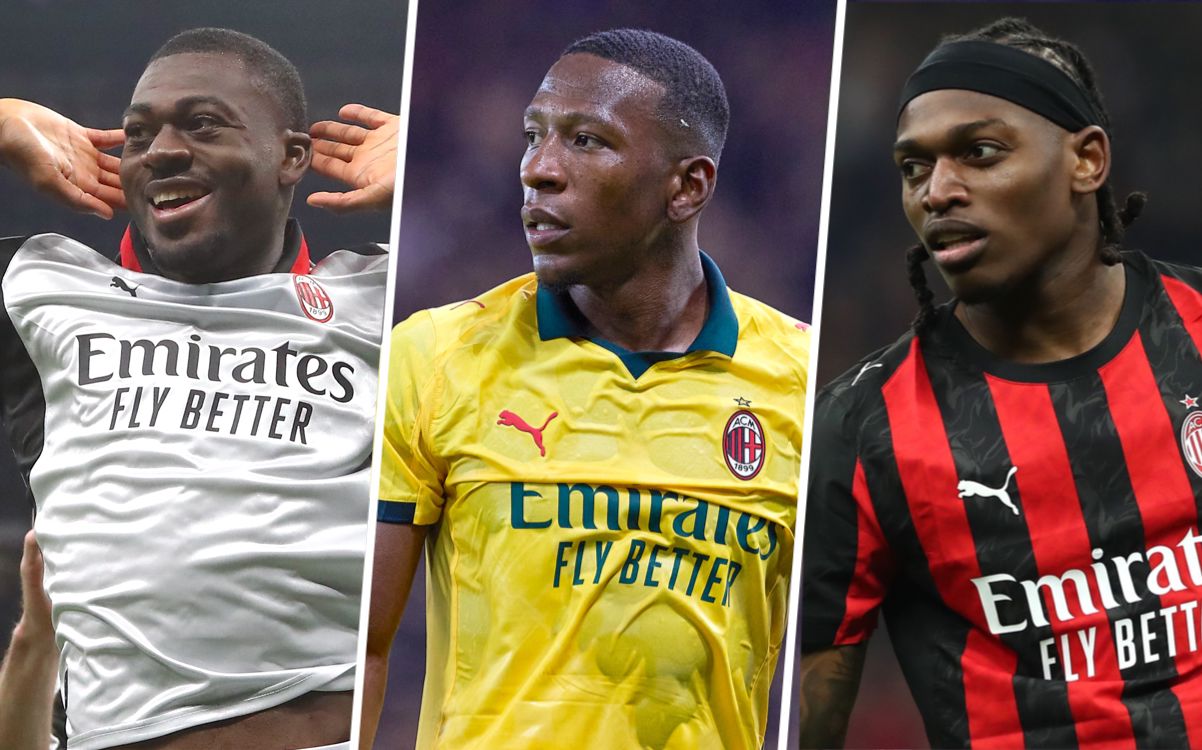
Noah Okafor is the natural deputy on the left wing. He brings a distinctly different skill set to the position. Okafor is more of a central striker drifting wide, looking to make diagonal runs into the penalty area rather than hugging the touchline and taking on fullbacks in isolation.
This shifts the creative burden heavily onto the right side of the pitch. Christian Pulisic has been excellent, but opposing defenses will now double-team him without fear of leaving the weak side vulnerable. The pitch instantly becomes narrower.
The relationship between the left winger and Theo Hernandez has been the defining attacking pattern for the club over the past four years. Hernandez relies on his partner to drag defenders inside, creating the runway for his underlapping sprints. Without that gravity on the touchline, Hernandez often finds himself running into a brick wall of set defenders.
The entire left-sided dynamic grinds to a halt. It forces the ball to be circulated endlessly across the backline. What should be rapid transitions turn into slow, predictable possession phases. The manager will have to find a workaround, perhaps shifting to a narrower formation with two strikers.
A Summer of Uncertainty
This injury is playing out against the backdrop of massive institutional instability at the club. The reports indicating that a staggering nine players have their futures in the balance paint a picture of a squad on the verge of being dismantled. A two-month injury to your most bankable asset only complicates the math.
If the plan was to sell him to fund a complete rebuild, an extended spell on the treatment table is the worst possible scenario. Suitors willing to pay massive transfer fees want guarantees of physical durability. Missing the business end of the season creates leverage for buying clubs to drive down the price.
The fact that so many players are fighting for their futures creates a heavy atmosphere in the dressing room. When nearly half the squad knows they might be sold or released, collective motivation often plummets. Players start playing for their own highlight reels rather than the tactical plan, desperate to secure a move elsewhere. Integrating a returning star into a fractured dressing room in late May is a recipe for disaster. The lack of decisive action from the boardroom is just as damaging as the injury itself.
The whispers of Massimiliano Allegri making a return to the dugout, alongside bizarre mentions of Luka Modric, suggest a radical shift in philosophy. Allegri is a pragmatist who demands rigid tactical discipline and defensive work rate from his wide players.
How does a player who relies on freedom and moments of individual brilliance fit into an Allegri system? The reality is, he often doesn't. This raises the distinct possibility that the club's future planning actively involves cashing in on their star to fund a more balanced, hardworking squad suited to a new manager.
Then there is the Luka Modric rumor floating in the Italian press. Linking a veteran playmaker to a team that desperately needs athletic reinforcements in the middle of the park feels like a desperate attempt to generate headlines. However, it highlights the scattergun approach to the club's rumored transfer strategy.
Timeline and Lingering Doubts
The two-month window is a daunting timeline. We are looking at a return in late May at the earliest. That means he misses the vast majority of the run-in, including the most high-stakes fixtures of the spring.
This injury essentially writes off his impact for the remainder of the domestic season. The focus will inevitably shift to his readiness for the summer and the upcoming transfer window. The two months spent rehabbing in Portugal might very well be the final chapter of his time at the club, depending on how the market shapes up.
If he returns in late May, he will likely be lacking match fitness. Throwing a player coming off a significant injury straight into intense, end-of-season matches is a massive risk. The medical staff will have to carefully manage his minutes, likely restricting him to cameo appearances off the bench.
There is always a lingering concern when an explosive, fast-twitch athlete suffers a prolonged injury. The history of European football is littered with dynamic wingers who lost a fraction of their top speed after extended stints on the sidelines. We have seen players struggle to regain that explosive first step that made them unplayable.
The medical staff in Portugal must ensure that the rehabilitation focuses not just on healing, but on restoring the biomechanical efficiency that allows him to accelerate past defenders from a standing start. A loss of even five percent of his burst would alter his ceiling as a player.
The failure to build a squad capable of surviving his absence will be the defining storyline of this spring. You can survive injuries to key players if the underlying system is robust. When the system relies entirely on one player's individual brilliance, an injury is not just a setback; it is a structural collapse.
The front office has a massive job on its hands. They must navigate a difficult end to the season, resolve the futures of nearly half the squad, finalize the managerial situation, and decide whether to stick or twist with their injured superstar. The next sixty days will dictate the trajectory of the club for the next five years.