The accounting disaster of the returning four
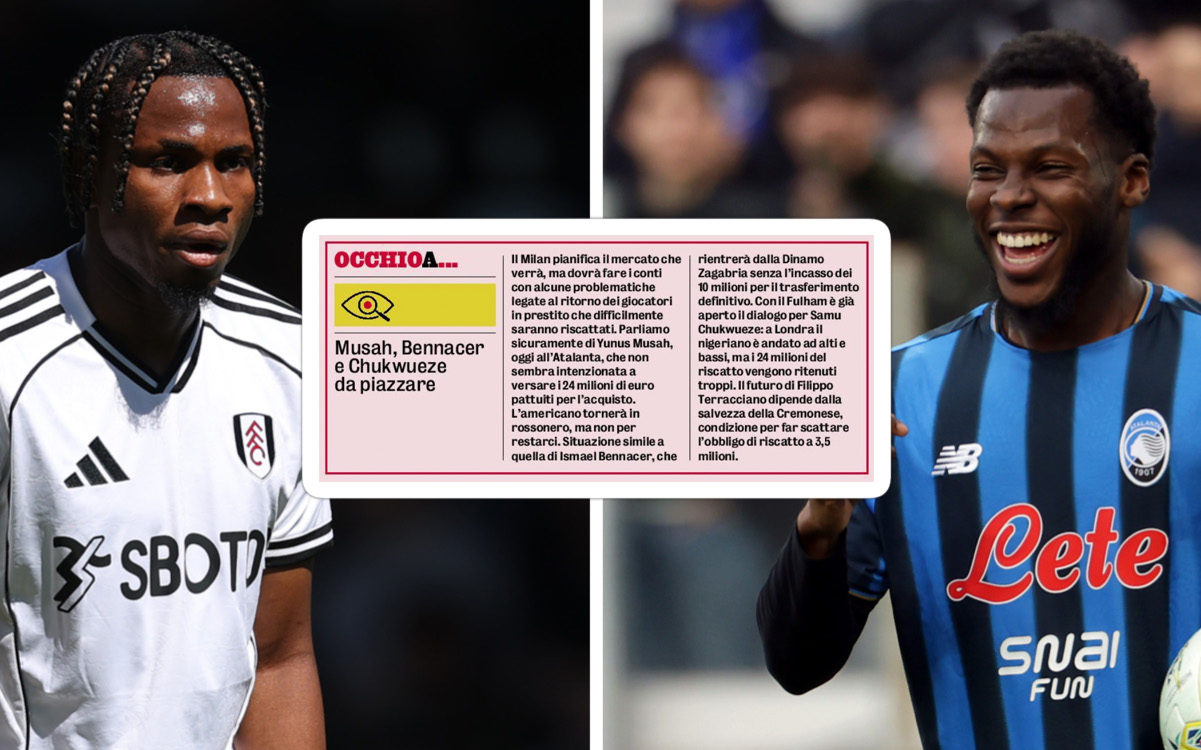
AC Milan's summer strategy is currently hostage to an accounting nightmare. The club is bracing for the return of four players currently out on loan, a scenario that fundamentally shatters their projected transfer budget. In the modern game, loaning out fringe players with options to buy is essentially gambling on future revenue. When those options aren't triggered, the financial shockwaves are immediate.
The core issue here is twofold: lost capital injection and a bloated wage bill. As Gazzetta dello Sport reports, Milan are deeply concerned about these lost revenues. If we look at the historical average of Serie A buyout clauses for mid-tier players, clubs typically expect a conversion rate of around 40 percent. Milan are staring at a zero percent return on this specific quartet.
This means millions in anticipated transfer fees simply vanish from the spreadsheet. More critically, the return of these players adds their salaries directly back onto the club's books, eating into the wage flexibility required to register new signings. It is a brutal double-penalty.
Comparing the immediate wage burden
To truly grasp the severity of Milan's situation, we have to compare their wage structure to their direct rivals. Inter Milan and Juventus have spent the last two years aggressively restructuring their payrolls, moving on from high-earning veterans to create financial breathing room.
AC Milan had seemingly done the same, building a lean, efficient squad. But the sudden influx of returning loanees threatens to undo years of careful financial planning. If we estimate the combined gross salaries of these four players at around €8 million, that is equivalent to the wages of two elite starters.
This dead weight is the difference between bidding for a premier talent and settling for a bargain-bin alternative. Inter, despite their own well-documented financial issues, have managed to keep their squad cost ratio manageable by successfully offloading fringe players. Milan's failure to do so is a massive unforced error.
Why Pulisic stays: Economics over form
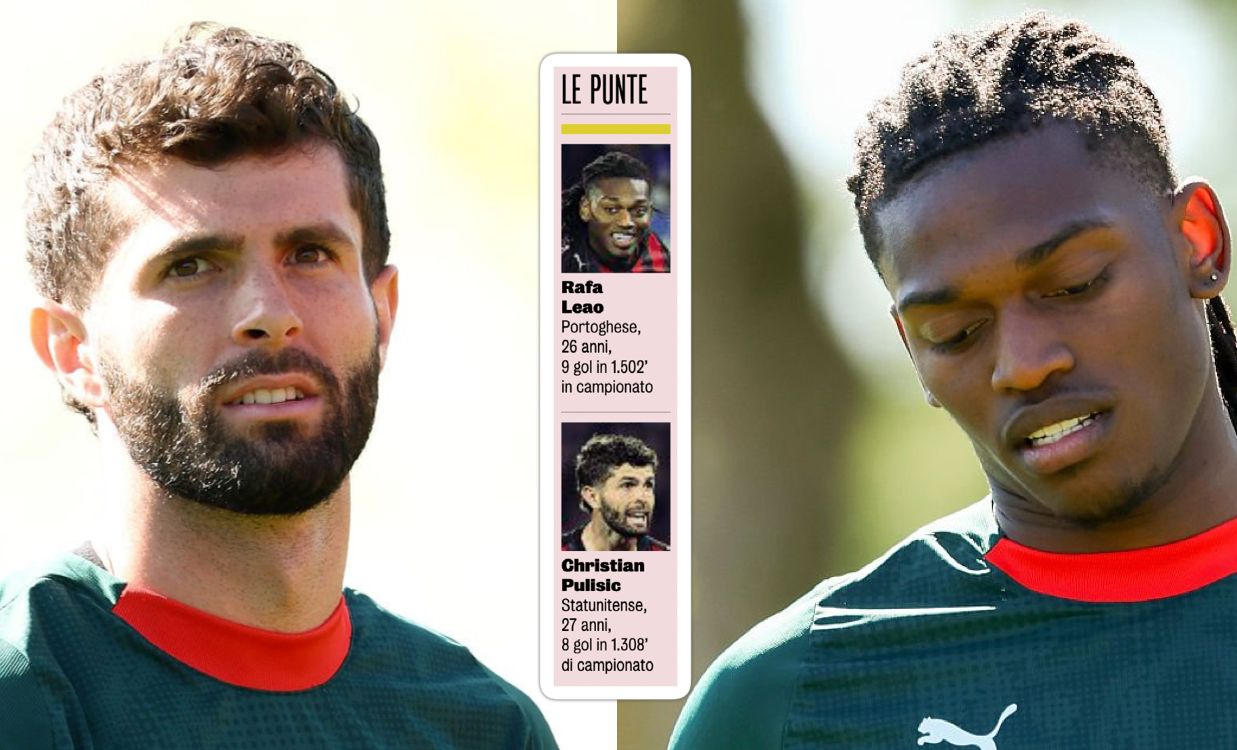
This financial bottleneck perfectly explains the situation surrounding Christian Pulisic. Reports indicate the American will remain at the club, with a specific plan to reignite his form. But let's look at the underlying math rather than the narrative.
Selling Pulisic this summer would require finding a buyer willing to match his current book value to avoid an amortization loss. Given the broader market stagnation outside of the Premier League, that is a highly improbable scenario. The club is financially wedded to him. The task now is maximizing that investment.
Pulisic's underlying metrics reveal a frustrating inconsistency. His expected assists (xA) per 90 minutes have fluctuated wildly depending on his starting position. When isolated on the right flank against a set defense, his successful take-on rate drops dramatically. The coaching staff's plan to "reignite his spark" must be rooted in data. They have to move him into the half-spaces where his quick-twitch decision-making yields a higher expected threat (xT).
Last season, Pulisic averaged roughly 4.2 progressive carries per 90 minutes when played centrally, compared to just 2.8 when isolated out wide. The drop-off is severe. Opposing fullbacks in Serie A have adapted to his initial burst of pace, forcing him to cut inside into heavy traffic. If Milan want to extract maximum value from him, they cannot just ask him to run harder. They must scheme him open. A return to a fluid 4-2-3-1, where he can interchange with Rafael Leao, might be the only way to bump his goal contributions back into double digits.
Milan cannot afford to replace him, so they must fix him. The gap between his current output and his peak Chelsea numbers represents the cheapest potential upgrade available to the squad.
The Goretzka and Gila paradox
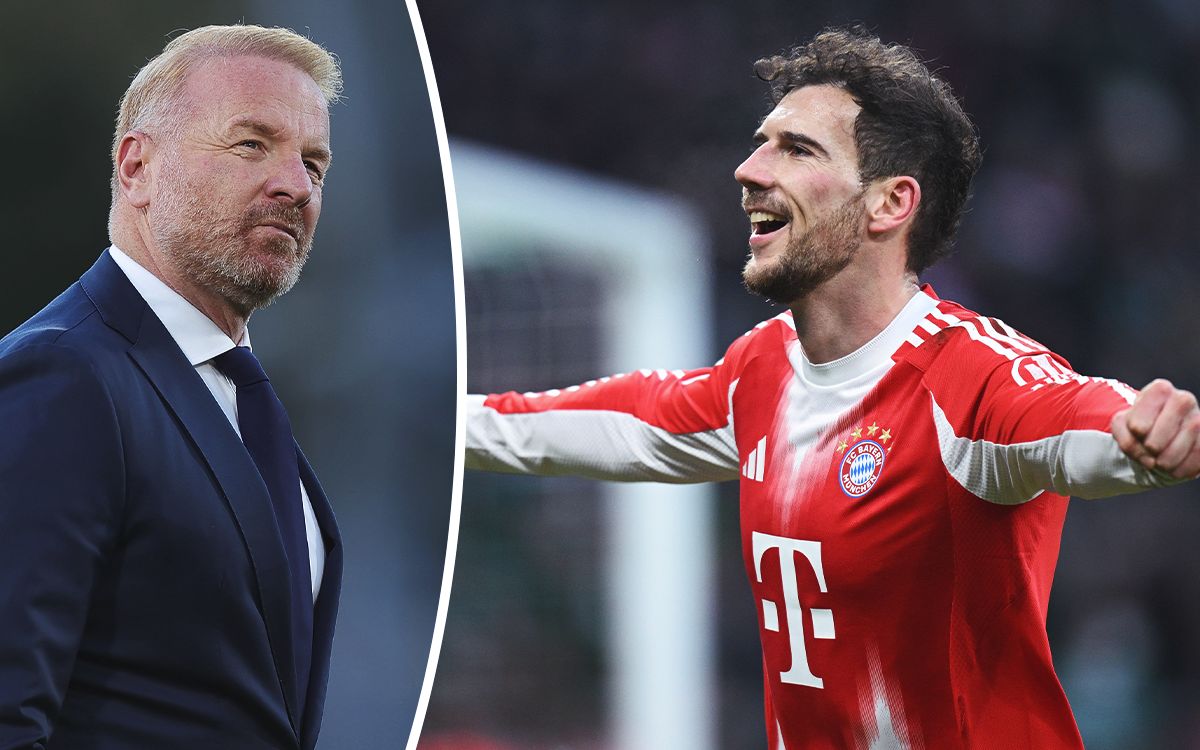
Despite the looming financial black hole caused by the returning loanees, Milan are inexplicably advancing on deals for Leon Goretzka and Mario Gila. The contrast between their internal financial anxiety and external market ambition is jarring.
Gila fits the traditional RedBird acquisition model. He is young, has high upside, and commands a reasonable wage packet. He fits the profile of a modern, aggressive centre-back who can defend in a high line. Goretzka, however, breaks every rule in the current Milan playbook.
The Bayern Munich midfielder is a premium asset with wages to match. From a purely statistical standpoint, Goretzka is an elite ball-winner and progressor. He ranks in the 88th percentile among European midfielders for progressive passes received and the 92nd percentile for aerial duels won. He provides the physical dominance Milan's midfield has desperately lacked since Franck Kessie departed.
Gila's underlying numbers at Lazio show a defender comfortable with the ball at his feet. He averages 65 passes per 90 with an 89 percent completion rate, making him an ideal candidate to build from the back. However, his aerial duel success rate hovers around 55 percent, which is significantly lower than what Milan typically requires from their center-backs. Partnering him with a dominant aerial presence would be mandatory, further complicating the tactical puzzle.
But how do you finance a player of Goretzka's pedigree when you are simultaneously suffocating under the weight of returning loanees? The math simply does not align. Unless Milan have a massive, unannounced outgoing transfer lined up, the pursuit of Goretzka feels like a smokescreen or a gross miscalculation of their own financial reality.
The ghost of Kessie and the midfield void
To understand why AC Milan are even looking at Leon Goretzka, you have to look at the gaping hole in their midfield metrics over the past three seasons. Ever since Kessie left, the team's ability to win second balls in the middle third has plummeted. They have tried numerous cost-effective solutions, but the data remains damning.
Milan currently rank outside the top four in Serie A for midfield ball recoveries. This isn't an eye-test issue. It is a statistical reality that leaves their backline exposed in transition. Goretzka is viewed as the antidote. His dual-winning percentage in the middle third is exactly what the system requires to function at an elite level.
However, acquiring Goretzka is a massive financial deviation. The club's recent transfer policy has been built on signing players under 25 with a low base salary and high resale value. Paying a premium for a veteran midfielder goes against the very core of their operational model.
If the Goretzka deal collapses under the weight of its own financial impossibility, Milan will be forced to look at younger, unproven options. The problem is that the midfield cannot afford another developmental project. They need immediate, plug-and-play competence, and that costs money—money that is currently tied up in players they don't even want.
The knock-on effect of the squad cost rule
Let's break down exactly what happens when four loanees return unannounced. It isn't just about the missing transfer fees. It is about squad registration limits and UEFA's strict financial guidelines.
Under the new financial sustainability regulations, a club's spending on wages, transfers, and agents cannot exceed 70 percent of their total revenue. If Milan banked on those four loanees being sold, they factored that revenue into their compliance calculations. Removing that expected income while simultaneously adding four salaries back onto the wage bill dramatically spikes their squad cost ratio.
This severely restricts their ability to register new players without falling foul of UEFA sanctions. It means every incoming transfer must be perfectly offset by an outgoing one. The margin for error has shrunk from slim to nonexistent.
This is why the situation with Mario Gila is so fragile. While he represents a smart, data-driven acquisition, even a modest transfer fee could push Milan perilously close to the regulatory limits if they cannot clear out the returning deadwood. The stark reality is that football matches are won on the pitch, but championships are built on the spreadsheet. Right now, AC Milan's spreadsheet is a mess. The front office faces the unenviable task of cleaning it up before the new season begins.
Read Next
- Milan are pushing for Goretzka and Gila to reshape their spine early
- Milan are pushing for Goretzka and Gila as summer window nears
- Milan are moving fast for Goretzka and Gila as summer window looms
- Milan's summer of chaos: Why Allegri wants Anguissa and Fagioli to save his job
- 🇺🇸 USMNT World Cup 2026 — Team USA Coverage Hub