
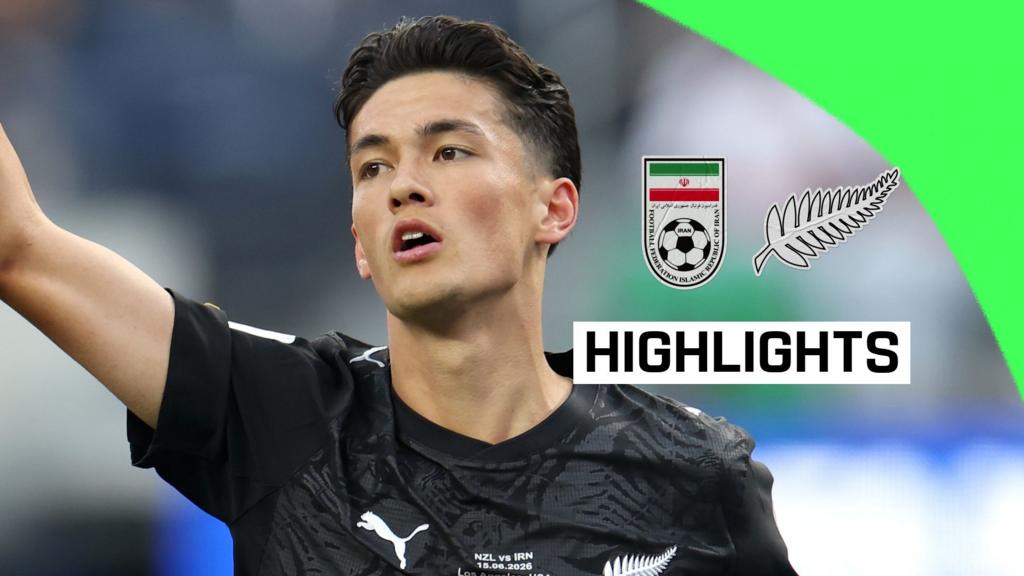
The Group G scoreline that made absolutely no sense
If you were expecting a tactical stalemate in Los Angeles yesterday, you clearly haven't been watching this tournament. New Zealand and Iran decided that defending was strictly optional, giving us a 2-2 draw that felt more like a street fight than a group stage fixture. It was sloppy, it was frantic, and my blood pressure is still recovering from that final ten-minute stretch.
Elijah Just somehow ended up with a brace, dragging the Kiwis into the lead twice. The man was moving like he had something to prove, drifting between the Iranian center-backs as if they were ghosts. But every time the All Whites looked comfortable, they managed to shoot themselves in the foot. You cannot give away possession in your own third against a team that hits on the break, and yet, here we are.
The internet loses its collective mind
The immediate reaction on the fan forums was a mix of pure adrenaline and absolute misery. Some folks are treating the 2-2 result like a championship win, while others are ready to fire everyone involved in the defensive scheme. It is the duality of man, displayed perfectly in real-time match threads.
"Just was the only person on the pitch who knew how to finish, but watching our backline try to clear a ball felt like watching a toddler play Jenga," wrote one user. The frustration is easy to understand. When you net two goals at the 15th minute and again early in the second half, you expect to walk away with three points. Leaving points on the table against a team as resolute as Iran is a recurring heartbreak.
On the flip side, the Iran supporters are firing back with a heavy dose of sass. The general narrative from their camp is that they never looked truly out of it. "We didn't need to dominate the possession numbers when we took our chances every time New Zealand got lazy," one commenter pointed out. It is the ultimate flex to come back twice when you are arguably playing the second-best game of the day.
Tactical incompetence or pure grit?
Here is my take: New Zealand looked like the better team for large stretches, but they played with the emotional maturity of a teenager who just got their license. You don't have to push every single player forward when you are protecting a lead. They played as if they were chasing a goal despite being ahead on the scoreboard twice.
As the BBC reported, this was an entertaining game, but let's call it what it really was—a defensive disaster for both managers. Iran thrives on this kind of chaos. They lure you into a false sense of security, wait for the inevitable turnover, and punish you before the keeper can reset his feet. We saw the same patterns we criticize every week in the league.
The skepticism is running high, and rightfully so. You cannot expect to survive deeper rounds if you crumble in the closing stages. I saw plenty of fans arguing that the draw was a result of bad luck, but that is ignoring the reality of the 2-2 stalemate. It was a failure of game management, plain and simple.
Still, you have to credit the intensity. In a world of sterile, 0-0 draws where everyone is too scared to lose, this match was a breath of fresh air. It is the exact reason we wake up at odd hours to catch these broadcasts. You want to see someone take a chance. You want to see Elijah Just punish a goalkeeper for poor positioning.
Moving forward, the pressure is on. New Zealand needs to learn that you can't just rely on individual brilliance to carry you through Group G. They have the skill to play at this level, but they lack the composure to close out games against stubborn opponents. If they play like this next match, they'll be headed home early with a suitcase full of 'what ifs'.
Ultimately, a draw is a draw. It isn't a loss, but it doesn't give you the cushion you crave going into the final group fixtures. We are lucky we got to see such high-octane theater in Los Angeles, even if the defensive lapses made me want to throw my drink at the screen. Sometimes, the most fun matches are the ones where nobody actually knows what they are doing.

