Football cannot stay silent while the streets outside the stadium roar

Public pressure reaches the pitch in Doha
The thin veil separating political stability from public unrest has worn away. As thousands gathered outside the stadium ahead of the Iran versus New Zealand match, the focus shifted from tactical preparation to the stark realities of civil dissent. It is a mistake to view football matches in isolation from the national movements that fuel them.
Demonstrators were heard chanting and openly challenging FIFA-sanctioned norms. The atmosphere was heavy, prioritizing moral messaging over the typical pre-match analysis of defensive lines or set-piece delivery. When institutional events are held in volatile environments, they provide a platform that authorities cannot easily barricade.
Tactics matter less than the ambient tension
While pundits fixate on formation tweaks or injury updates, the match between Iran and New Zealand faces a different kind of scrutiny. The physical presence of protestors outside the stadium walls illustrates that public dissent has found a global stage. FIFA’s attempt to project a neutral, polished exterior is failing under the weight of genuine human experience.
We have seen these collisions before, where the rules of the game are treated as secondary to the urgency of protest. The organizers want an orderly contest; the streets are demanding a recognition of their struggle. Keeping the focus on the 90 minutes feels reductive when the match itself serves as a proxy for a much larger cultural firestorm.
The missed opportunity for institutional response
One critical failure here lies in the governing body’s refusal to acknowledge the friction between entertainment and reality. By sticking to a rigid, bureaucratic code of conduct, they ensure that every match involving a volatile domestic situation turns into a public relations crisis. Instead of controlling the narrative, they are being overtaken by the momentum of the crowd.
The authorities are doubling down on security measures, yet the chants only grow louder. Watching the footage, the disconnect between the pristine grass and the chaotic perimeter is jarring. It makes for a viewing experience that feels heavy, uncomfortable, and impossible to ignore. A sport that prides itself on being a universal language is currently being forced to translate the anger of thousands.
Where the game becomes secondary
Analytical breakdown of New Zealand’s transition defense feels trivial given the context. The protestors are not there to appreciate defensive spacing; they are there to force a fracture in the sanitized image projected by the World Cup. It demonstrates a fundamental misunderstanding of the sport’s role today to treat these events as mere games.
Unless the leadership shifts toward engagement, we will continue to see these disruptions define the matches more than the tactical performance of the squads. The players are caught in the middle, expected to perform while the world outside their tunnel breaks. It is an untenable position that turns world-class athletes into mere props for a geopolitical test of wills.
This incident exposes the fragility of the current setup. When the stadium gate becomes the epicenter of a protest, the technical aspects of the match—who holds possession, who wins the duels—cease to be the headline. The real result is being decided in the streets, and it is a result that threatens to overwhelm the competition entirely.
Funko Pop! Football: Manchester City - Erling Haaland
The goal-scoring machine from Man City, now in tiny vinyl form.
Frequently Asked Questions
What caused the protests outside the Iran vs. New Zealand match?
How do public demonstrations affect FIFA's match environment?
Why is it difficult to keep football separate from politics?
What is the primary criticism of football governing bodies in this context?
How are players impacted by the tension surrounding these matches?
More Coverage
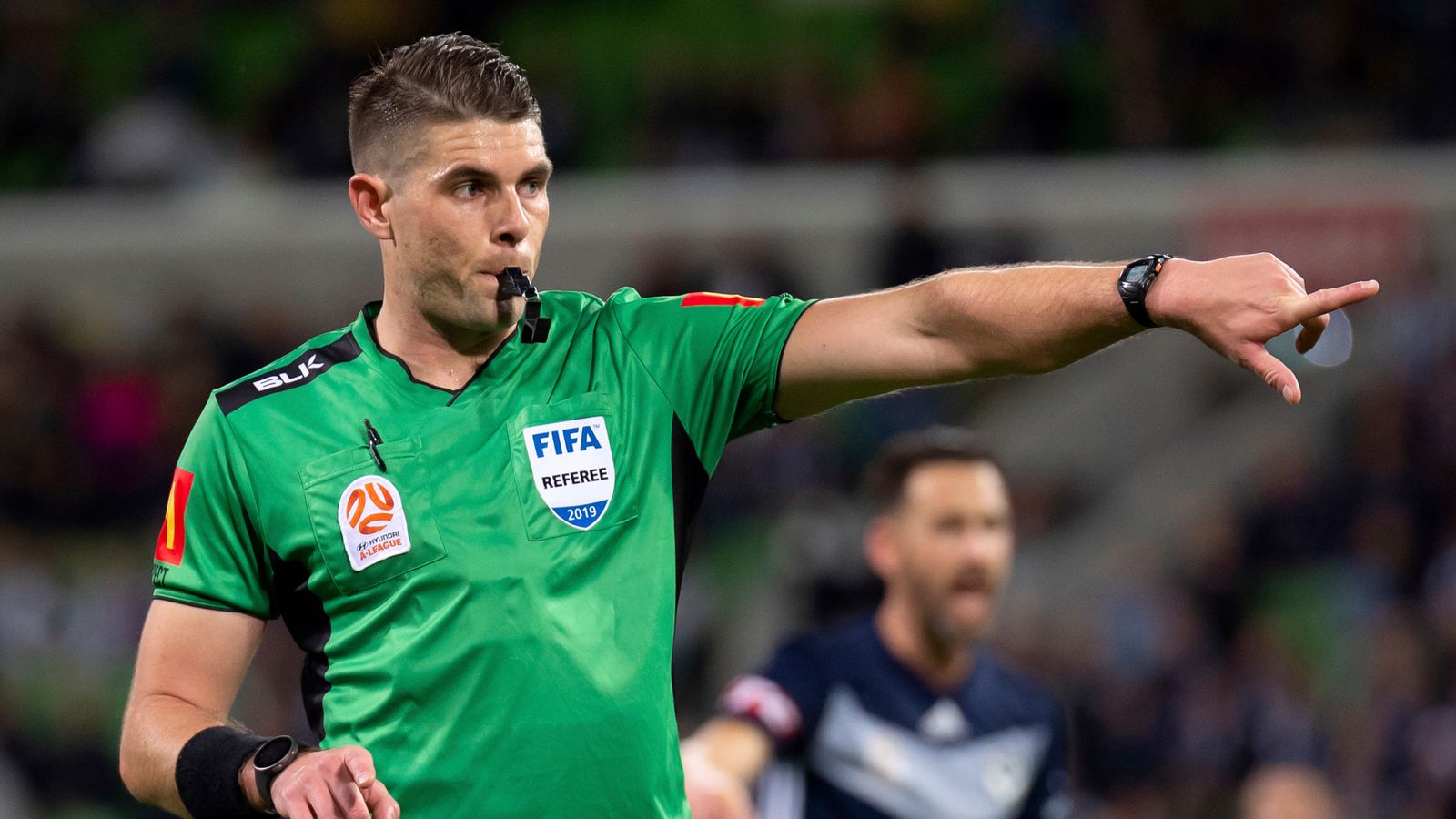
FIFA's VAR handling is a PR disaster waiting to happen
4 hours ago
New Zealand vs. Iran was the chaotic draw we all needed
6 hours agoIran and New Zealand are stuck in a tactical stalemate
8 hours ago
Iran vs New Zealand: Tactical intrigue beyond the headlines
8 hours ago
Iran vs New Zealand is a beautiful nightmare for World Cup fans
8 hours ago
Iran and New Zealand: A statistical look at the noise
8 hours agoMore Analysis
Iran vs New Zealand is a beautiful nightmare for World Cup fans
8 hours ago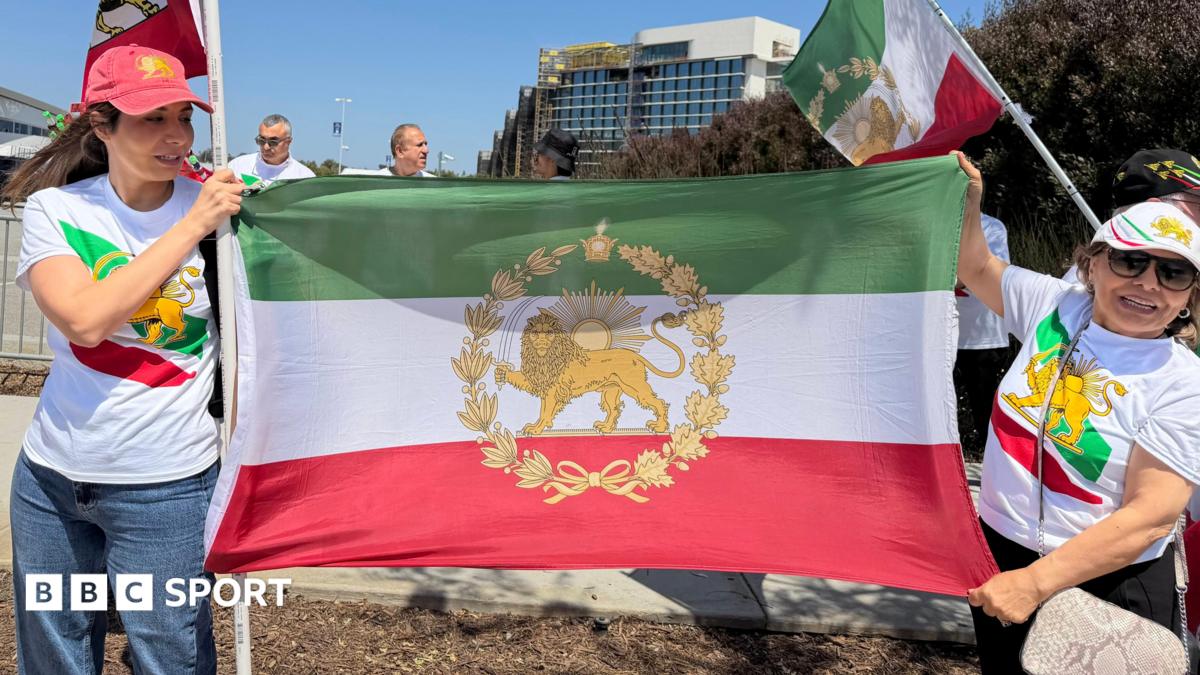
Politics keeps hijacking the pitch before the World Cup even starts
1 week ago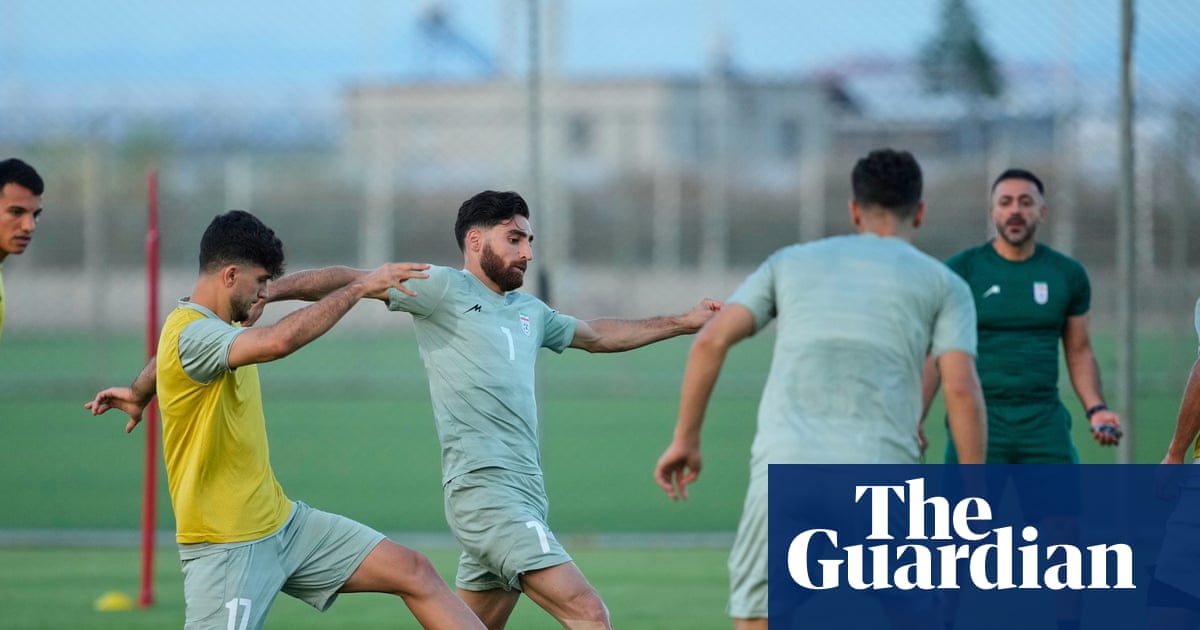
Iran’s visa crisis proves the World Cup is already stumbling
1 week, 2 days ago
Iran and New Zealand: A statistical look at the noise
8 hours agoIran and New Zealand are stuck in a tactical stalemate
8 hours ago