Pogba’s physical ceiling plummets to a career low
The 2025-26 campaign has officially spiraled into a nightmare for Paul Pogba. Following a season plagued by recurring setbacks, medical reports tracking his status at Nice indicate the Frenchman will be unavailable for the immediate future. This latest interruption effectively closes the book on a year best described as a professional vanishing act.
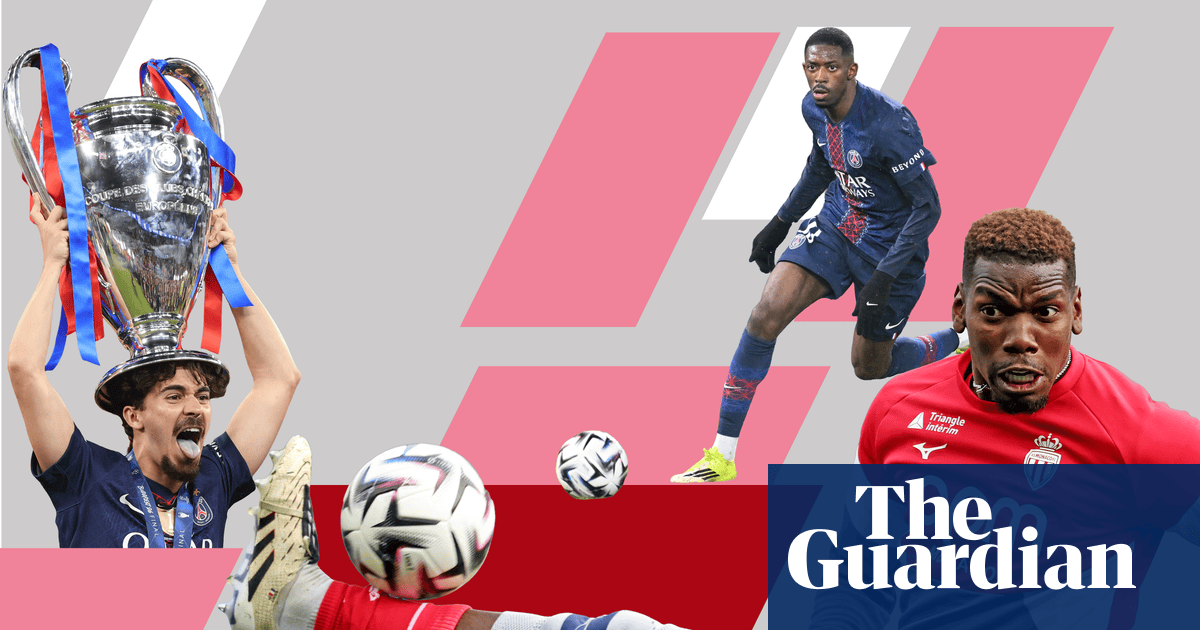
Reports from The Guardian confirm that Pogba finishes this term as one of the league's primary individual flops. The lack of match sharpness is clear. He has struggled to maintain the requisite intensity demanded by high-level French football, leaving Nice management with a massive hole in their midfield rotation.
A pattern of availability issues takes hold
Historical data suggests this is far from an isolated incident. Since returning to regular competitive action, Pogba has found it impossible to chain together more than three matches without a significant physical complaint. This isn't just about bad luck—it is a chronic inability to withstand the rigors of modern football.
We have seen this film before. During his later years at Juventus and his final stretch in the Premier League, similar muscle fatigue and joint inflammation plagued his training week. Trainers note that the physiological toll on his frame has created a cycle of stop-start rehabilitation that prevents him from ever catching his rhythm.
Strategic implications for Nice
Nice faces a precarious summer. Building a midfield around a player who cannot reliably participate in 70% of scheduled fixtures is a non-starter. The financial commitment required to retain his services now looks like a staggering error in judgment from the front office.
The club must decide if a full medical overhaul or a contract separation is the only pathway forward. Carrying a high-wage asset who spends more days in the physio room than on the grass is a death sentence for a team trying to challenge in the top four. Competitors have already noticed the weakness, often overloading the central zones knowing full well that Pogba lacks the recovery pace to track back.
The wider impact on the division
Ligue 1, which has seen dominant performances from the likes of Vitinha at PSG, leaves little room for nostalgia. The standard of play has evolved rapidly. While stars like Pierre Sage have defined themselves through tactical ingenuity, the division has become increasingly intolerant of players who cannot meet the physical baseline.
Pogba’s current instability highlights a growing divide between traditional star power and modern workload management. The game no longer pauses for reputation. If a player cannot execute tactical instruction through all 90 minutes, they aren't just a bench option—they are a liability that shifts the entire structure of the side.
Expect the club to be aggressive in the transfer market to replace his output. Relying on a player with this specific injury profile has cost them dearly in the league standings this year. A clean break is likely the only way to salvage the competitive prospects of the squad for the upcoming season, as the current situation offers zero sustainable return on investment.
This should serve as a cautionary tale for recruitment teams across Europe. Betting on a return to form for a high-mileage veteran coming off multiple soft-tissue tears is a losing gamble. The analytics department at Nice has surely flagged the 50% availability rate as a primary driver for their failure to secure a meaningful continental run.
Whether Pogba decides to pursue a different training philosophy or consider a move to a less demanding league remains his prerogative. From a competitive standpoint, however, the experiment at the top level is exhausted. The reality of his current fitness trajectory makes it difficult to envision him as a starting-eleven player for any club with aspirations of qualifying for UEFA competition.
Looking ahead, the focus for the medical staff will be on pain management and basic conditioning. There is no timeline provided for a return to full intensity, and frankly, there shouldn't be. The priority must be achieving a baseline level of health that does not involve collapsing during a 10-minute training drill.
Read Next
- Ethan Galbraith injury scare eases ahead of Northern Ireland friendlies
- Brandon Thomas-Asante faces sideline stint after late-season knock
- William Saliba facing World Cup heartbreak after Champions League final blow
- Milan’s medical crisis hits critical mass before transfer window
- ⚽ Ligue 1 2025-26 — PSG, Monaco & the Title Race Hub