
Potter is proving his doubters wrong in Scandinavia
Tactical clarity in the Swedish sunshine
Graham Potter is currently navigating a career path that few would have predicted twelve months ago. After consecutive high-profile dismissals at Chelsea and West Ham, his transition into international management has provided a jarring shift in narrative. The 5-1 destruction of Tunisia in the World Cup opener acts as a clear data point in this evolution.
Observers often point to the Brighton years as Potter’s peak output. There, he utilized fluid back-three systems to overload central zones. In his opening match with Sweden, we saw a return to that intellectual rigor. He stripped away the defensive hesitation that plagued his time in London, favoring a high-line press that forced Tunisia into constant turnovers.
The structure behind the scoreline
Tunisia struggled to handle the geometry of Sweden’s midfield trio. By the 25th minute, the heat maps showed central penetration that was simply unsustainable for a side relying on a low block. The tactical movement was calculated rather than chaotic, a stark contrast to his final days at the London Stadium.
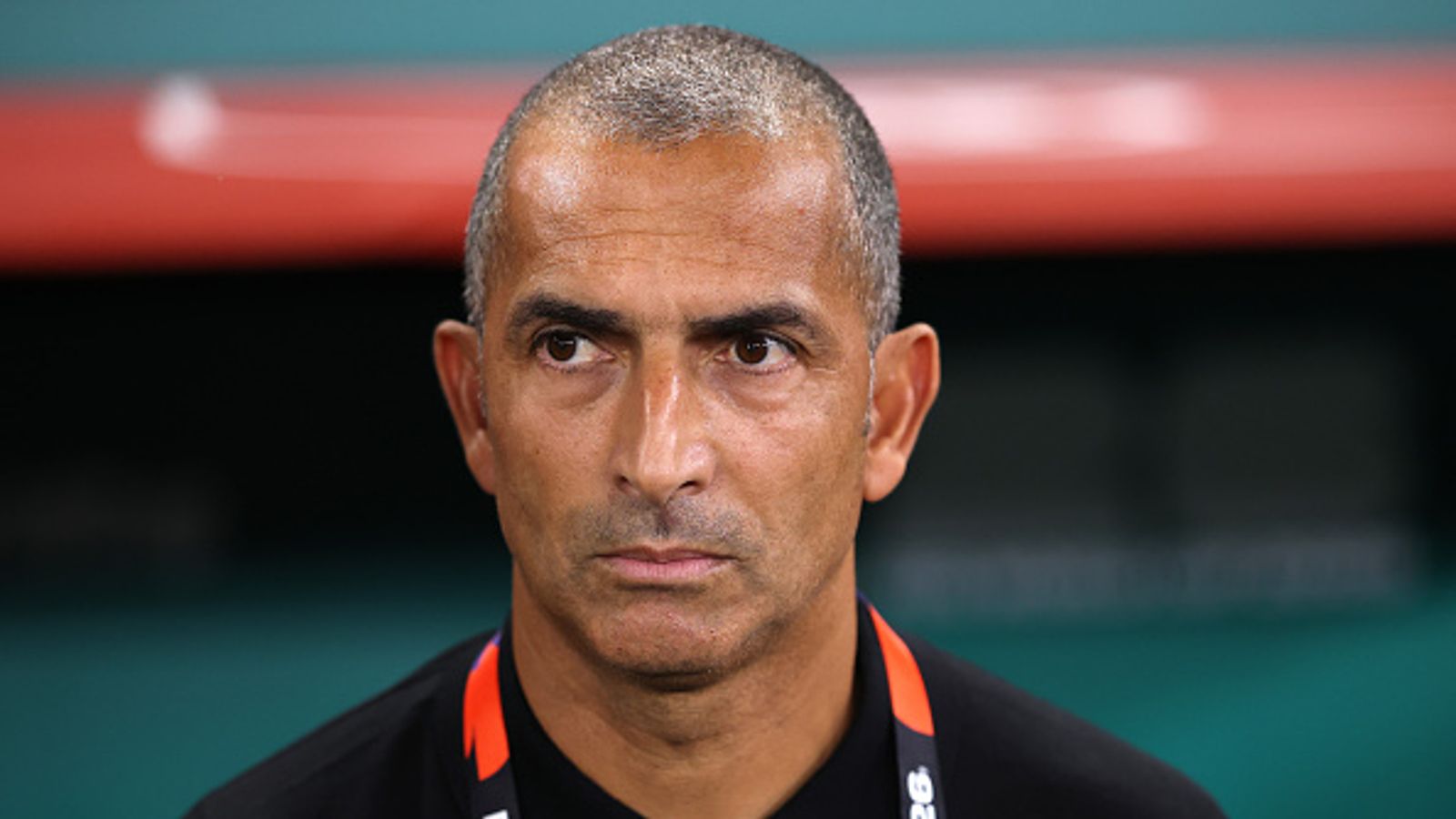
As Sky Sports reported, Sabri Lamouchi has already been sacked following this result. It is harsh, but the game state explains the desperation. Tunisia conceded three goals between the 40th and 65th minutes, demonstrating a total breakdown in defensive organization once the score moved beyond 2-0.
Milan's gamble on Amorim
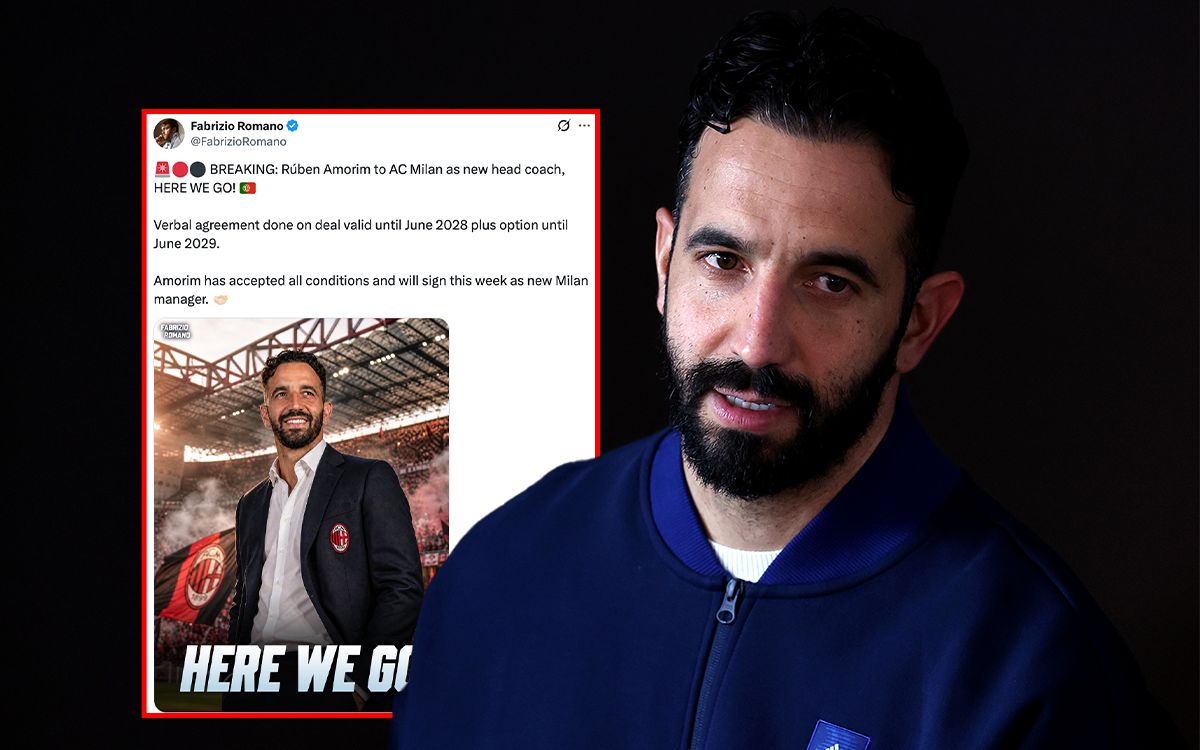
Meanwhile, the atmosphere in Italy is far more combustible. Ruben Amorim has officially signed on as head coach of AC Milan, agreeing to an initial 2-year deal. This appointment comes five months after his tenure at Manchester United ended in an abrupt dismissal. As the BBC reported, the board expects immediate returns.
Amorim faces a challenge that Potter arguably avoided by taking an international role. Milan requires immediate silverware to appease a demanding fanbase, whereas Potter has room to experiment within a shorter tournament format. If Amorim tries to implement his signature 3-4-3 at the San Siro, he will need buy-in from senior defenders who prefer a flat back four.
The inevitable defensive flaws
It remains problematic that Potter’s Sweden allowed a high-xG chance in the 78th minute despite holding a four-goal lead. Complacency remains a recurring theme for teams under his direction when matches seem decided too early. If he cannot coach better discipline in non-critical junctures, he will struggle to progress against more tactical heavyweights like Brazil or France.
The contrast between these two managers is fascinating. Potter seems to have found peace by stripping his identity down to the basics, focusing on verticality and quick transitions. Amorim, conversely, is walking into a pressure cooker where the slightest drop in performance will be magnified by the Italian media. The summer tournament serves as a testing ground for both reputations.
If Potter manages to exit the group stage while Amorim burns through his honeymoon period during the Milan pre-season, the conversation will shift rapidly. The coaching carousel never stops, and these two men are simply the latest to be defined by their most recent ninety minutes.
Adidas World Cup 2026 Trionda Training Ball
Bring the spirit of the 2026 World Cup to your local pitch.
Frequently Asked Questions
How did Graham Potter change his tactics for the Sweden national team?
What tactical issue did Tunisia face against Sweden?
What are the expectations for Ruben Amorim at AC Milan?
What challenges does Amorim face implementing his tactics in Italy?
What weakness persists in Graham Potter's managed teams?
More Coverage
Ruben Amorim joins Milan and the pressure is already at max level
3 hours ago
AC Milan close in on Krösche and Hardung despite Frankfurt denial
3 hours ago
Graham Potter's strange Swedish redemption arc
3 hours ago
Manchester United are repeating the same defensive transfer mistakes
5 hours ago
Ruben Amorim is set to take charge at AC Milan
5 hours ago
Cucurella’s move to Madrid signals a tactical shift for Ancelotti
5 hours agoMore Analysis
Cape Verde's 40-year-old goalkeeper is defying physics
an hour ago
Ruben Amorim joins Milan and the pressure is already at max level
3 hours ago
AC Milan close in on Krösche and Hardung despite Frankfurt denial
3 hours ago
Van der Vaart hits rock bottom with that Japan outburst
3 hours ago
Graham Potter's strange Swedish redemption arc
3 hours ago