Tactical pragmatism meets the San Siro weight
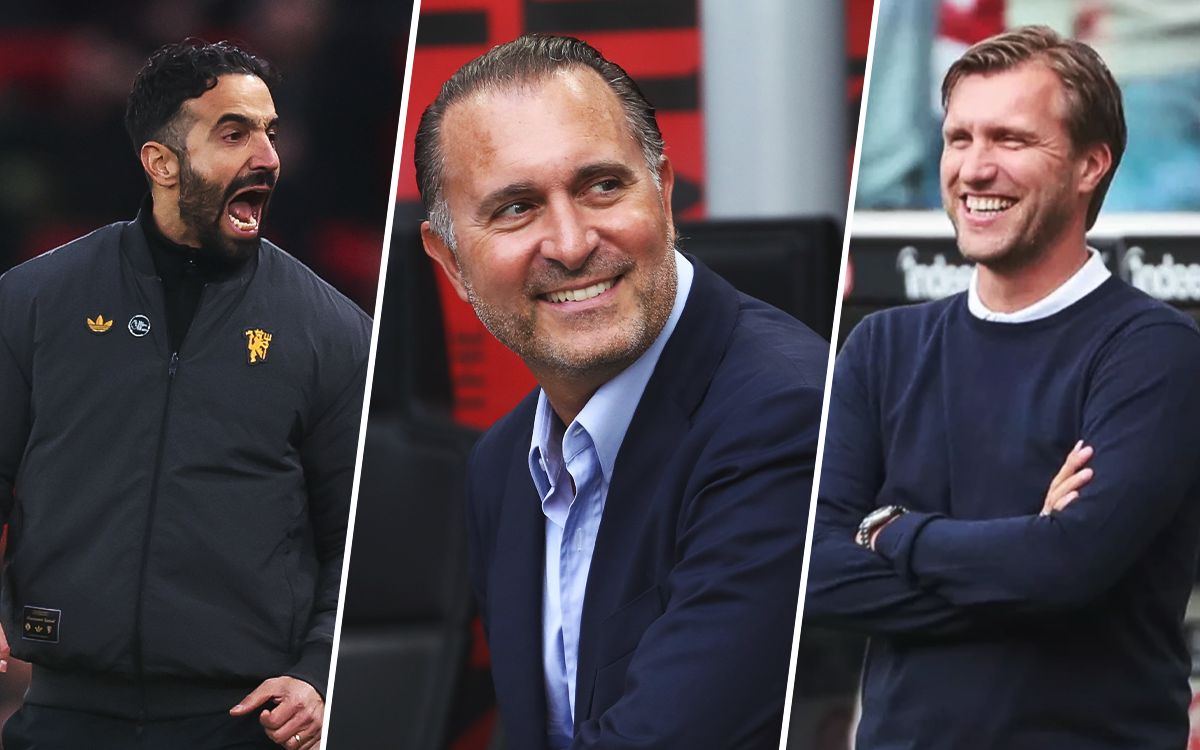
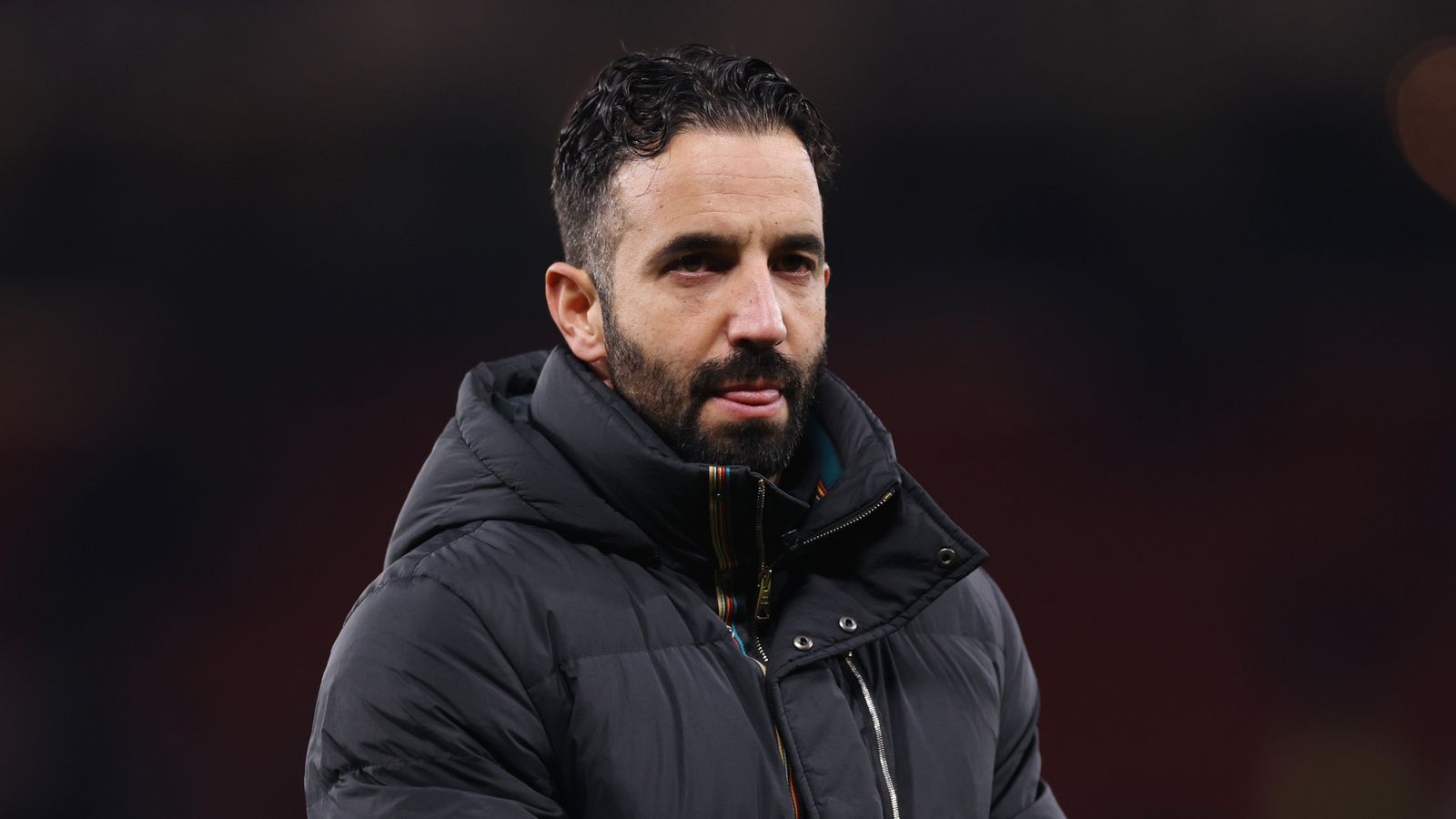
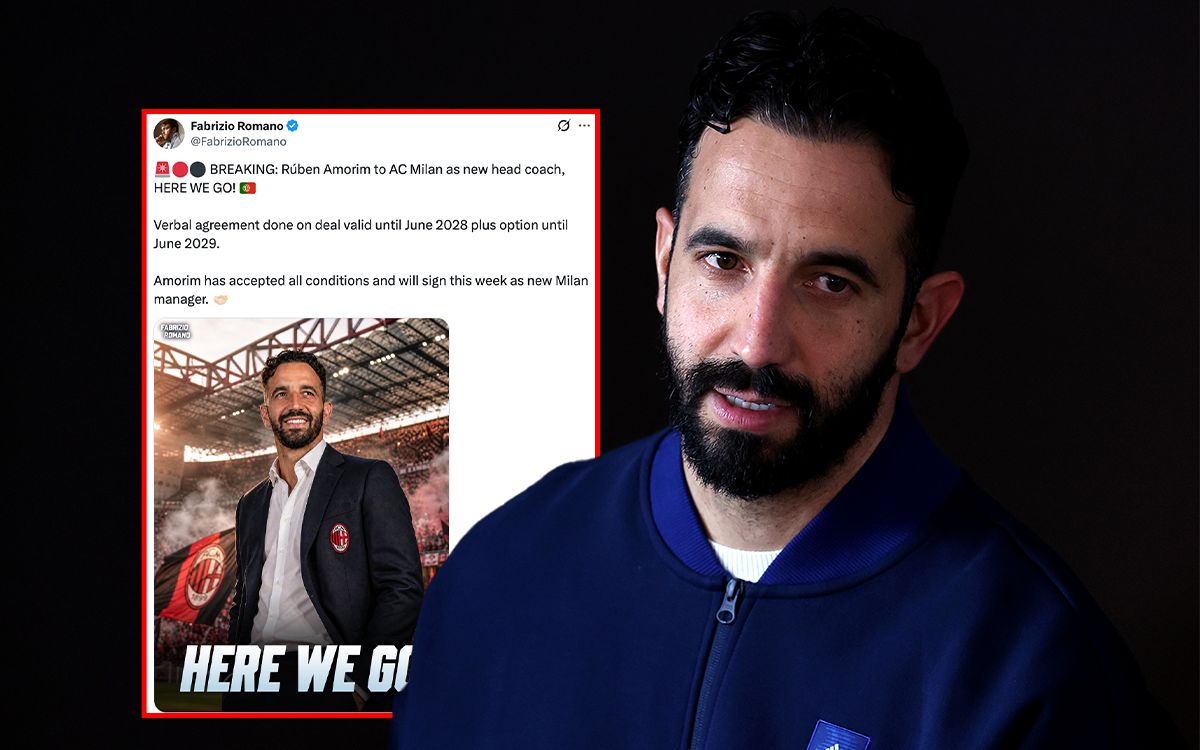
Ruben Amorim has officially signed on as head coach of AC Milan, agreeing to an initial 2-year deal. This appointment comes five months after his tenure at Manchester United ended in an abrupt dismissal. As the BBC reported, the manager is stepping into one of football's most demanding environments.
Milan represents a blank slate, yet the internal metrics of his new contract suggest a results-driven tenure. Reports indicate that Amorim could earn €1m in performance-based bonuses. This incentive structure indicates the board expects a high-ceiling return on their investment immediately.
The baggage of a previous failure
Amorim enters this role with his reputation bruised by his final months in the Premier League. Tactically, he is known for a rigid back-three system that demands high intensity from his wing-backs. At United, his inability to adjust that shape against low-block opponents led to his downfall. He must now prove that his stylistic choices are not just a one-hit wonder from his time in Portugal.
Skeptics will point to the lack of offensive variety in his recent track record. His teams often controlled possession centrally but failed to create high-quality chances against packed penalty areas. If Milan fails to fix those attacking gaps, the fans will turn quickly regardless of his history.
A decade-old prophecy comes to fruition
There is a strange curiosity surrounding this hire: unearthed footage from his time at Benfica shows Amorim explicitly discussing the dream of coaching this club. He told interviewers nearly ten years ago that guiding Milan was a long-term goal. While the nostalgia of his comments makes for a good story, football is rarely kind to sentimentality.
Milan requires more than just passion. They need a systematic overhaul of their build-up play, which was erratic for large chunks of the last campaign. The back-three, often isolated when the wing-backs push high, leaves too much grass for the opposition to exploit on the break.
Can the system survive the scrutiny?
Amorim will be judged on how he manages the transition moments. His signature 3-4-3 is designed to press high and win the ball back within 5 seconds. If the midfield personnel at his disposal do not have the legs to support that specific trigger, he will be exposed against teams like Inter or Juventus.
My prediction? Amorim will experience early success by stabilizing the defense, but he will face domestic stagnation by the winter break. He understands the stature of the club, but he lacks a plan B when his primary press is bypassed by a simple diagonal switch. He will last 16 months before the inevitable contract renegotiation cycle begins.