Searching for stability in a summer of flux
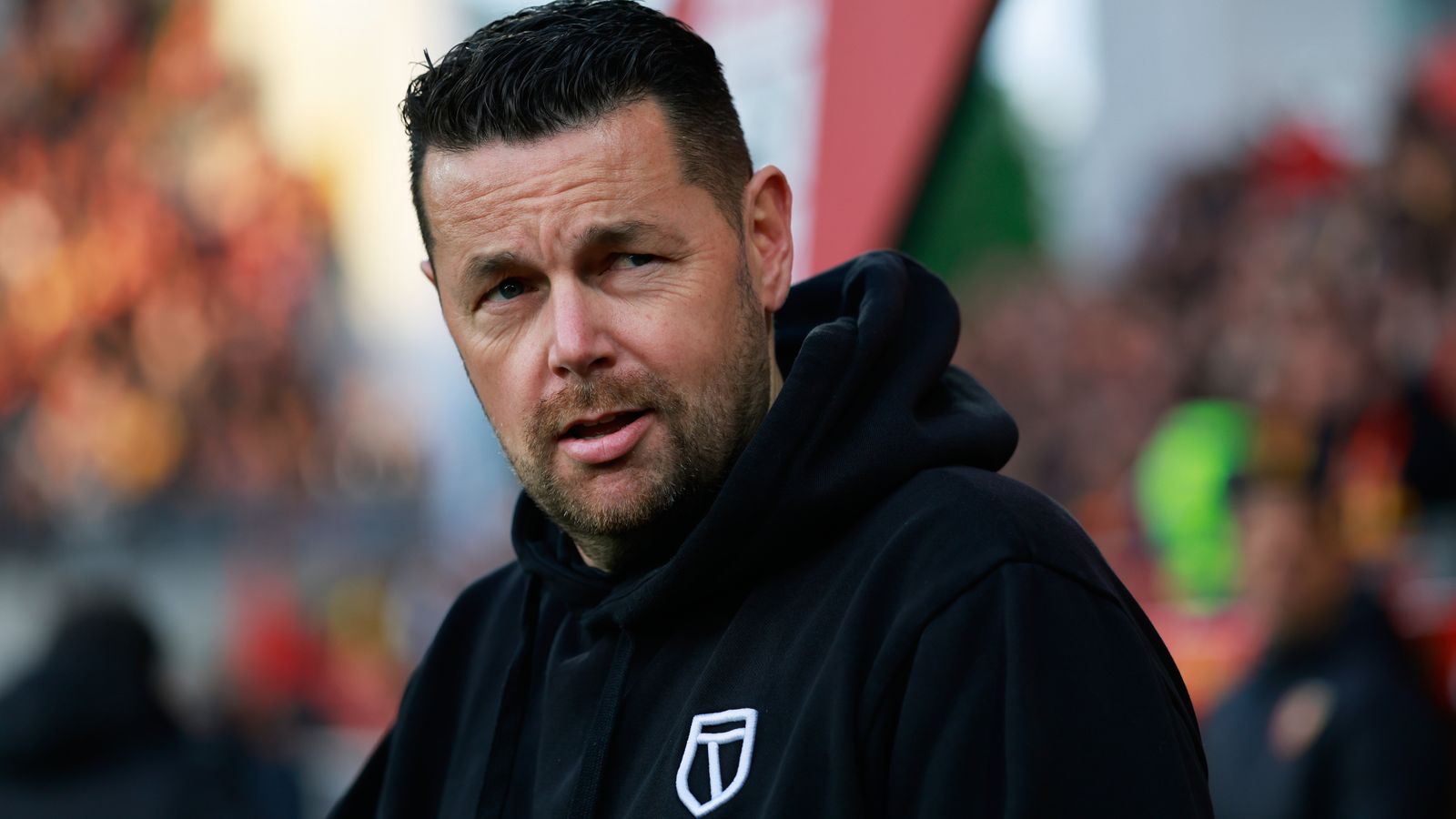
The football world turns its focus to the 2026 World Cup tomorrow, but the offices at Selhurst Park are operating on a different clock. With the global spectacle about to dominate the headlines, Crystal Palace remains locked in a high-stakes search for their next manager. The potential appointment of Pierre Sage has brought the chatter to a fever pitch.
Sage is a fascinating figure who demands attention for his technical acumen rather than a pedigree of European silverware. He prioritizes structural integrity over individual flair, a shift that would represent a notable departure from recent seasons. If the board is aiming for a tactical reset, they are betting heavily on a coach whose methods remain largely untested in the pressure cooker of the Premier League.
The Sage blueprint vs. the Premier League reality
Any manager walking into South London faces the cold reality of current squad limitations. Palace’s defensive transition metrics last season were alarming, frequently exposing their backline to vertical passes through the half-spaces. We saw this vulnerability repeatedly in games where the press was bypassed by a single pivot movement.
Sage’s reported fixation on 3-4-2-1 variations is a marked contrast to the more traditional four-man defensive sets seen recently. He requires aggressive wing-backs who can function as auxiliary attackers, placing an immense burden on the wide personnel to track back at high speed. The current roster depth at these positions is paper-thin, leaving the side exposed if reinforcements fail to materialize before the window closes.
The club hierarchy must balance this managerial transition with the volatile nature of the market. As we have discussed regarding United's systemic flaws or the distractions at Anfield, failing to synchronize hiring with scouting is a path to mid-table stagnation. If they chase a tactical profile that doesn't fit the existing personnel, the first month of the season will be a series of uncomfortable experiments.
Tactical discipline required
Winning games in this league is not about grand visions. It is about closing down the pockets of space that creative midfielders exploit between the lines. If Sage takes the helm, his first task is establishing a screening mechanism for the central defense. During the final stretch of the last campaign, Palace conceded an xG of 1.42 per game, a figure that simply must drop if they intend to climb the ladder.
There is also the matter of player buy-in during an international tournament month. While the world watches the best teams kick off, the squad members remaining at the training ground will have to adjust to a new set of training intensity protocols. This period is often where new managers lose the dressing room before a ball is even kicked in anger.
My prediction is that Sage gets the job, but the tactical adjustment will be brutal. He will likely secure a mid-season points average of 1.1 points per match in his first three months. Expect a rocky start as he tries to force a possession-heavy system onto a squad built for counters, leaving them with an early test of character they might not be ready to pass.
Read Next
- Why Crystal Palace is gambling on Pierre Sage's tactical rigidity
- Man Utd's midfield dilemma is a numbers game they aren't winning
- Liverpool's summer of chaos is the worst preparation for the 2026 World Cup
- The World Cup kickoff is 24 hours away and the tension is rising
- 🏆 World Cup 2026 — Full Coverage Hub