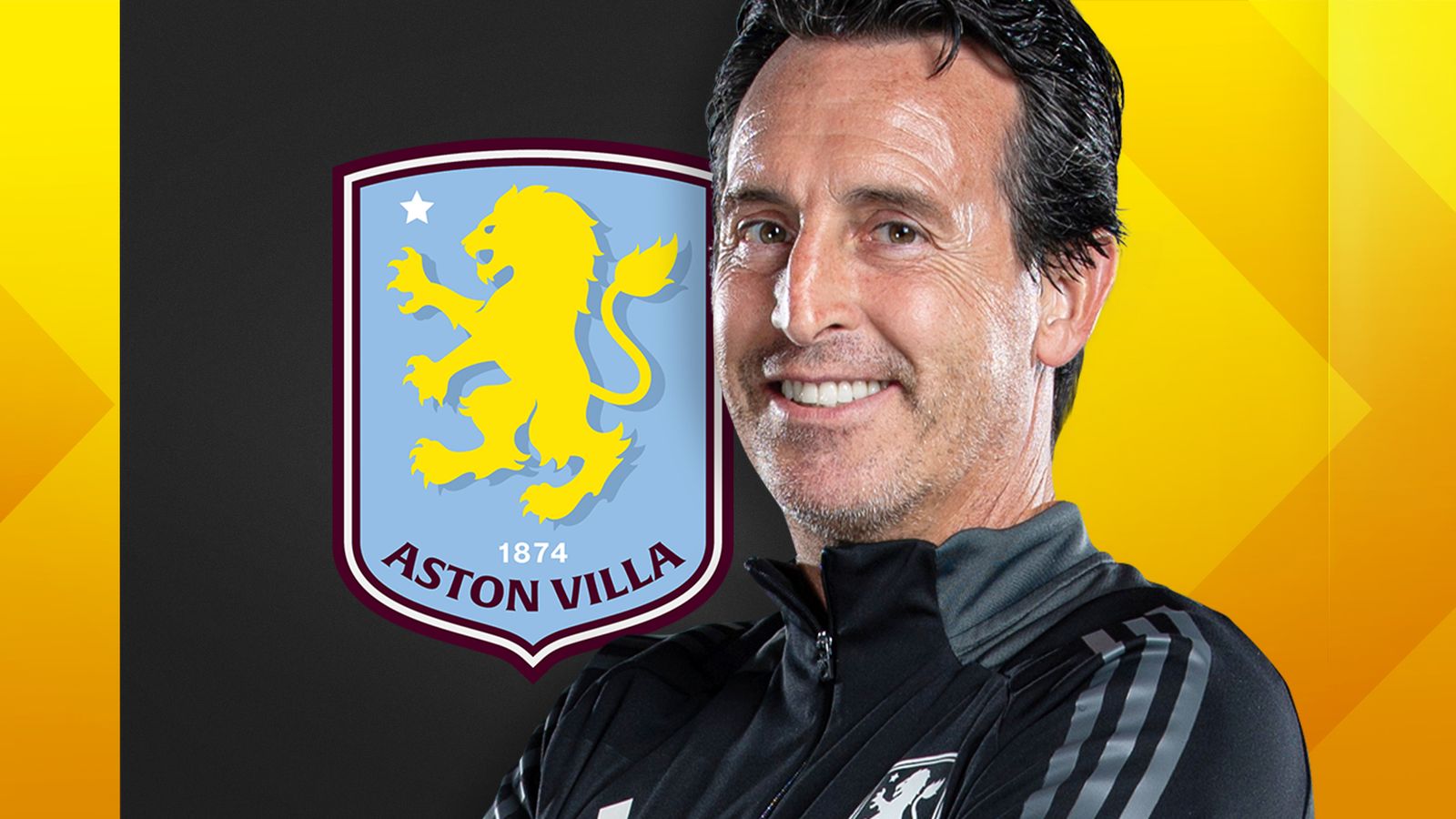
When a future king loses his damn mind for Aston Villa, we all pay attention.
Let's be honest, the image of Prince William, Duke of Cambridge, Heir to the Freaking Throne, hugging some bloke named Gary (probably, let's assume it was a Gary) in the stands after a "surreal" Aston Villa win? That's pure, unadulterated gold. It’s the kind of content PR machines dream of, but this felt… real. Or at least, real enough to get the entire internet buzzing louder than a swarm of vuvuzelas at the 2010 World Cup. He even cracked wise about "dancing in the fountains" – a classic fan move for when the ecstasy just bubbles over. The follow-up, rocking up to royal duties the next day with "no voice"? Chef's kiss. It’s peak football fandom, distilled into a single, highly photographed narrative.
You see, for most of us, losing our voices after a dramatic win is a badge of honor. It’s proof we poured every ounce of our soul into those 90 minutes, screaming until our vocal cords staged a full-blown rebellion. It means we were there, we felt it, we lived it. To see a man whose entire existence is usually a masterclass in stoic composure and measured public appearances completely abandon all pretense for his club… that resonates. It’s a moment that briefly, gloriously, collapses the rigid class structure of British society into a singular, unifying shout of 'GET IN!'
The Beautiful Game, Unfiltered by Blue Blood
Let’s be real, this wasn't just any win for Villa. The reports called it "surreal," which in football-speak usually translates to "we had no business winning that, but somehow, we did." Picture it: 90th-minute winner, a screamer from 30 yards after being down by two goals, sealing a European qualification spot that felt like a distant dream just weeks prior. The kind of game that leaves you emotionally drained, physically exhausted, and questioning the very fabric of reality. That’s the stage upon which William, future king, chose to become just another bloke in claret and blue, fist-pumping and probably spilling half his pint.
It strips away the pomp and circumstance, doesn’t it? For those precious moments, he wasn't addressing dignitaries or launching initiatives. He was just a fan, swept up in the glorious, illogical chaos that is football. It's a reminder that beneath the gilded carriages and the meticulously planned engagements, there’s a human being who can feel the same gut-wrenching anxiety and explosive joy as the rest of us when their team pulls off the impossible.
A Royal Who Gets It? Or a Masterclass in Modern Monarchy?
This isn't the first time a public figure has leaned into their sports fandom for a dose of relatability. Remember Barack Obama's legendary hoops obsession, or even when Bill Clinton got caught on camera looking absolutely distraught during a World Series game? Sports have a way of humanizing the powerful, of showing us that even those who operate on a different plane are susceptible to the same primal emotions that bind us. It's why we love seeing a manager go absolutely bonkers on the touchline, or a player break down in tears after a final whistle. It’s the raw, unscripted humanity of it all.
"You can take the man out of the stadium, but you can't take the stadium out of the man. Even if that man is next in line for the throne."
But here's where the cynical, hardened football fan in me (the one who still occasionally wakes up in a cold sweat thinking about VAR decisions from five seasons ago) has to interject. While the spectacle was undeniably charming, there’s a part of this narrative that feels… a little too perfect, doesn’t it? The heir to the throne, slumming it with the common folk, only to emerge with a heroic, battle-scarred "no voice" for his official duties? It's a story arc that feels almost too tailor-made for public consumption. One could argue it's a shrewd piece of PR, carefully cultivating an image of a "people's prince" who's just like us, only with a much bigger house and better security.
The Price of Admission to Relatability
Look, I get it. The monarchy needs to evolve, to find ways to connect with a modern populace that's increasingly skeptical of inherited privilege. And what better way to do that than through the universal language of football? But let's not pretend this is entirely without calculation. When William hugs a fan, it’s headline news. When a regular punter hugs a regular punter, it’s just Tuesday. The spotlight on William's "sacrifice" of his voice for Villa feels a bit overblown when you consider the actual sacrifices many fans make—the season ticket costs, the away travel expenses, the hours worked to afford a single match. It’s a fleeting moment of performative passion that glosses over the real, often difficult, reality of being a working-class fan.
So, while the image of a hoarse Prince William fulfilling his duties is indeed amusing and makes for a cracking story, let’s keep some perspective. It’s a feel-good moment, sure, but it’s also a powerful reminder of the careful balancing act the royals play. They need to be seen as relatable, yet remain untouchable. They need to be one of us, yet distinctly above us. The Villa win gave William a golden opportunity to bridge that gap, if only for a fleeting, glorious moment. But the actual work of connecting with the public, truly understanding their struggles, goes far beyond a celebratory hug and a lost voice. That's a debate for another day, maybe after another "surreal" Villa win.