The SPFL Forces an Outcome
The latest chapter in the tedious, unending squabble over Old Firm away allocations has reached a forced conclusion for the 2025/26 season. The Scottish Professional Football League has officially ruled in Celtic’s favor regarding the ticket dispute for the final derby of the campaign. Rangers confirmed they will accept the away allocation provided, but not without delivering a stinging public rebuke of the league's governing body.
As the BBC reported, Rangers warned that the SPFL’s decision sets a "concerning precedent." The club stated they are "deeply disappointed" by the outcome, a predictable response in a saga that stopped being about football years ago. It has devolved into a petty administrative cold war between Glasgow’s two largest institutions, with fans stuck in the middle.
The fact that the SPFL had to intervene at all highlights a chronic failure in leadership from both clubs. Instead of resolving a straightforward ticketing issue, Rangers and Celtic forced the governing body to act as an arbitrator in a boardroom dispute. The governing body ruled against Rangers, and the fallout is guaranteed to drag into the summer.
"Rangers will accept their away allocation for the final Old Firm meeting of the season, but are 'deeply disappointed' the SPFL backed Celtic in the ticket row, insisting it sets a 'concerning precedent'."
A History of Diminishing Returns
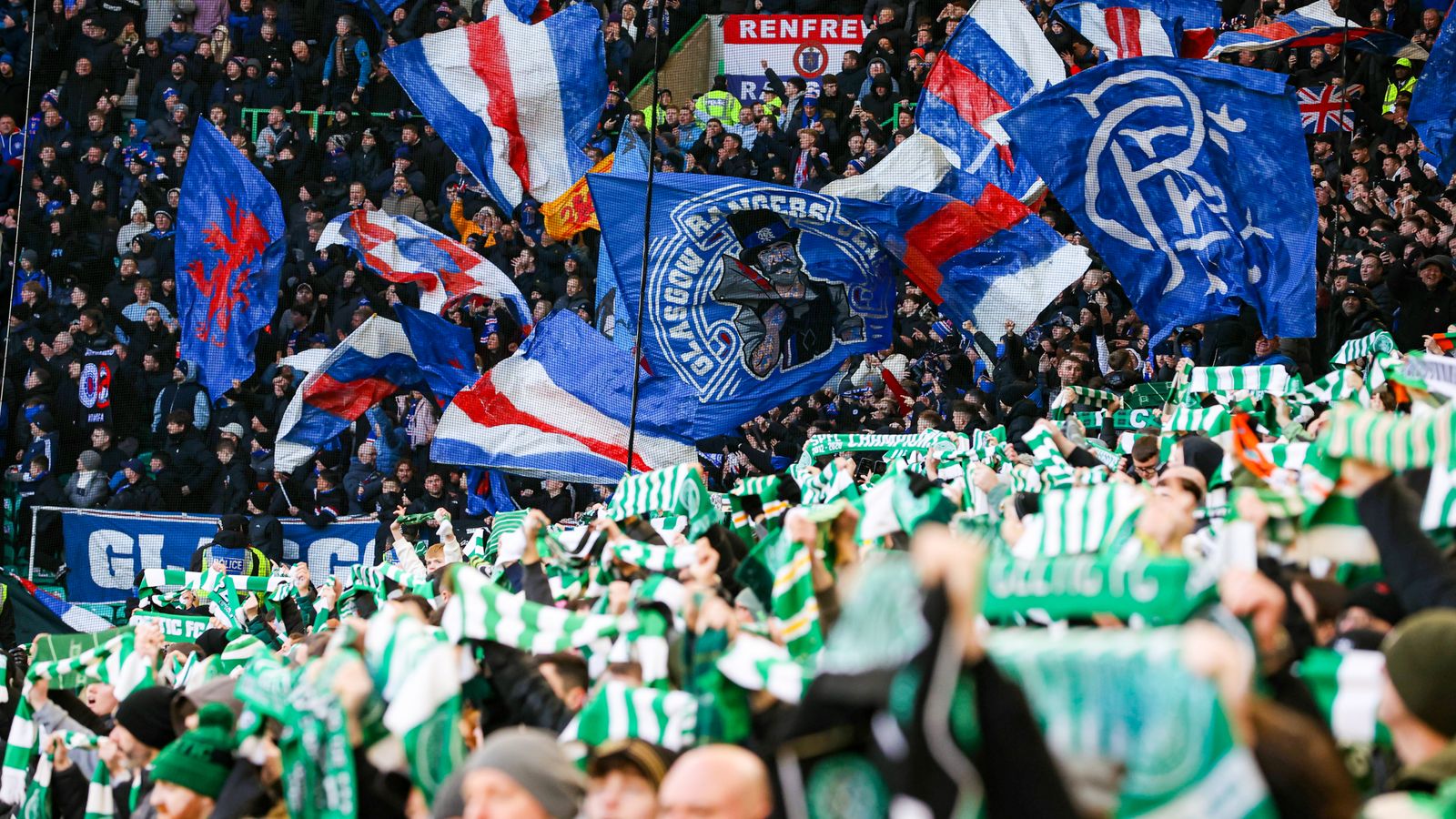
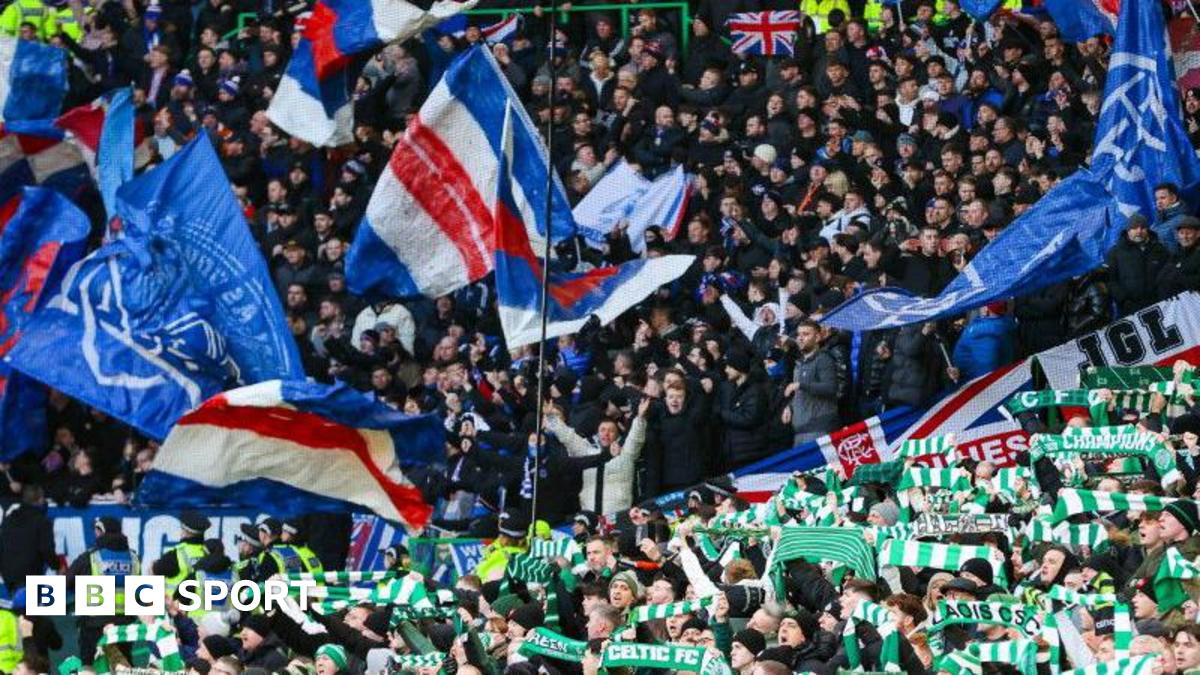
To understand how we arrived at this point, you have to look back at the steady erosion of away support in this fixture. For decades, the Old Firm derby was defined by its atmosphere. The visual of roughly 7,000 away fans packing the Broomloan Stand at Ibrox, or a similarly large visiting contingent stationed at Celtic Park, created a uniquely hostile environment.
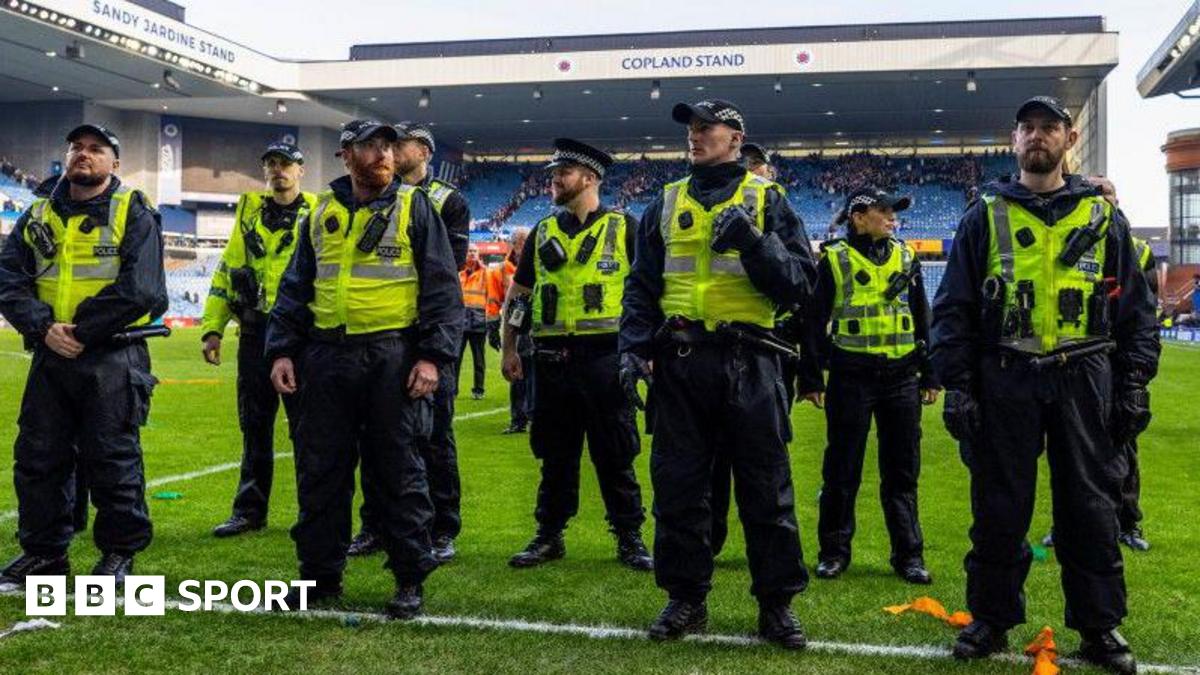
That dynamic was deliberately shattered in 2018. Rangers opted to drastically slash Celtic’s allocation to around 800 tickets, moving them from an entire stand to a heavily policed corner section. Celtic immediately reciprocated the gesture at Parkhead. The atmosphere suffered instantly. What followed were years of tit-for-tat arguments over safety, sightlines, and security, eventually leading to multiple high-stakes derbies being played with zero away fans in attendance.
Agreements were tentatively struck to reintroduce a limited 5% allocation—which equates to roughly 2,500 tickets—but those agreements consistently hit roadblocks. Clubs cited safety concerns, demanded expensive netting to stop missile throwing, and accused each other of failing to meet basic stadium requirements. Now, the SPFL has effectively had to force a resolution for the final meeting of the season just to ensure the visiting fans have a presence.
The "Concerning Precedent"
Rangers’ intense frustration stems directly from the SPFL’s willingness to step in and mandate an outcome. By backing Celtic in this specific instance, the Daily Mail noted that Rangers feel a deeply worrying standard has been set. The league has established that it will actively interpret and enforce ticketing rules when the clubs reach a stalemate. Rangers view this as an administrative overreach that undermines their authority over their own stadium logistics.
However, the SPFL was left with virtually no choice. When the two biggest clubs in the country refuse to compromise, the governing body must act. The league's rulebook explicitly states that a "reasonable" proportion of tickets must be made available to visiting clubs. For years, the SPFL allowed Rangers and Celtic to define the word reasonable for themselves. That era of self-regulation appears to be firmly over.
The precedent is significant. It changes the power dynamic for every Scottish Premiership club. If the SPFL is willing to dictate terms in the most high-profile fixture in the country, they can do it anywhere. Hearts, Hibernian, and Aberdeen have all had their own heated ticketing disputes involving both Glasgow clubs in recent years. The league has now sent a clear signal that it will intervene aggressively if an agreement cannot be reached locally.
The Commercial Impact on Scottish Football
This endless boardroom bickering directly damages the on-field product. The Scottish Premiership relies heavily on the Old Firm to market its television rights internationally. Broadcasters pay a premium for the noise, the color, and the raw hostility of a split stadium. They do not want sterile environments where the away end is totally empty or restricted to a token few hundred fans hidden behind a police cordon.
The league executives know this. The SPFL's intervention is likely driven as much by commercial reality as it is by the rulebook. A derby without away fans is objectively a lesser television product. When the SPFL tries to sell its broadcasting rights globally, the visual spectacle of the Old Firm is the primary selling point. Diluting that spectacle hurts the financial bottom line for every single club in the division.
Rangers and Celtic are incredibly wealthy by Scottish standards, but they operate within a fragile financial structure. Every time they allow their petty grievances to diminish the league's marquee fixture, they are actively harming the commercial viability of the entire SPFL. It is a deeply selfish approach to governance that ignores the broader health of the game.
Strategic Implications for the Future
By reluctantly accepting the away allocation for this final derby, Rangers have narrowly avoided an outright boycott. That is a small positive. But Sky Sports' live coverage confirmed that their aggressive public statement makes it clear the resentment lingers. It will fester. Do not expect this issue to be resolved peacefully ahead of the 2026/27 campaign.
Both clubs will now likely spend the upcoming summer aggressively lobbying the SPFL and tweaking their stadium security measures to gain an edge in the next inevitable dispute. The governing body has finally drawn a line in the sand. Whether they have the backbone to enforce it consistently next season is another matter entirely.
Here are the key realities of the current situation:
- The SPFL is now an active participant in Old Firm ticketing disputes, ending a long era of club self-regulation.
- Rangers and Celtic have demonstrated a total inability to compromise without external pressure from the league.
- The commercial value of the Scottish Premiership continues to be held hostage by the administrative disputes of Glasgow's premier clubs.
- Away allocations across the rest of the league may now be subject to much stricter SPFL oversight and intervention.
A Failure of Leadership
The most critical takeaway from this entire fiasco is the staggering lack of foresight at the boardroom level inside both clubs. Rangers are publicly stating they are "deeply disappointed," but they helped construct the very situation they are currently complaining about. When you start cutting away allocations to gain a marginal home advantage, you invite retaliation. You invite administrative chaos. You invite the SPFL to step in and take control.
Celtic are certainly no better in this regard. They have actively used safety concerns as a blunt weapon to restrict access, turning stadium logistics into a tedious point-scoring exercise against their rivals. Both clubs have completely lost sight of what makes this fixture valuable in the first place.
The fans are the ones who ultimately suffer the most. The devoted supporters who spend their money following these teams across the country are treated as disposable pawns in a corporate game. They are the ones denied tickets, subjected to increased security theater, and treated as an afterthought by their own clubs.
Rangers will take their away allocation for the final derby. The game will be played. But the underlying administrative rot remains entirely unaddressed. Until both clubs recognize that a healthy sporting rivalry requires mutual respect and a functional, significant away allocation, the SPFL will be forced to keep acting as the exasperated babysitter. That isn't just a concerning precedent. It is a profound embarrassment for Scottish football.
Read Next
- SPFL's Old Firm ruling is a hollow victory for Scottish football
- Hearts might actually break the Old Firm and the Scottish title race is pure chaos
- Aberdeen are throwing away their season one defensive lapse at a time
- Why Livingston's second relegation was a mathematical certainty
- ⚽ Scottish Premiership 2025-26 — Celtic vs Rangers Hub