Barcelona left shorthanded as Raphinha sits out
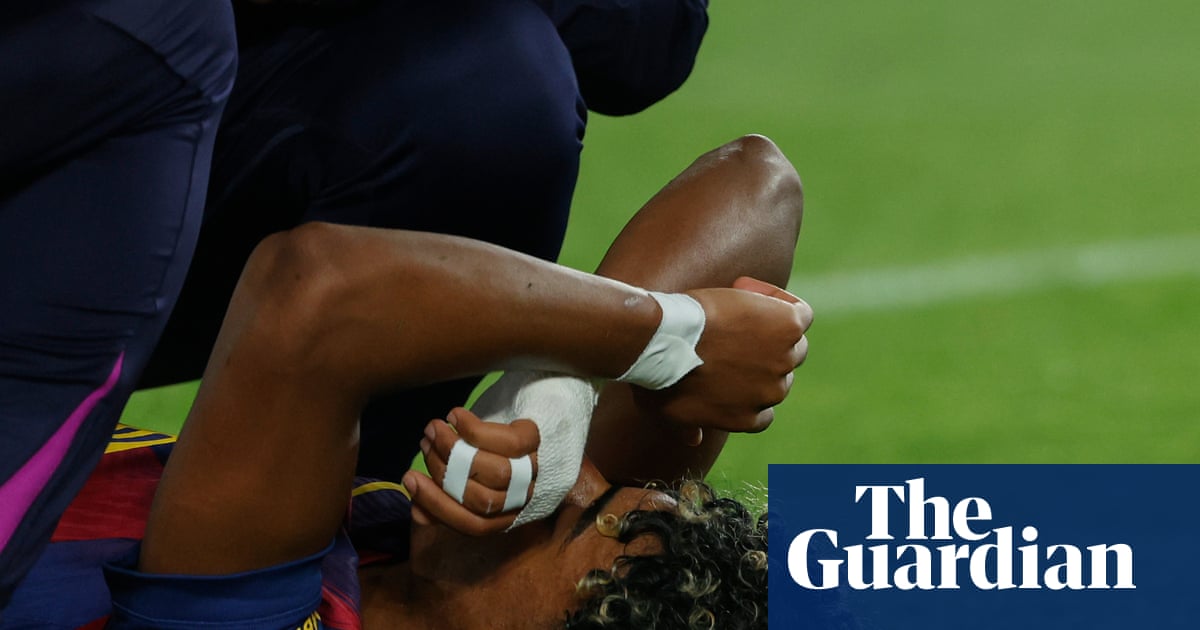
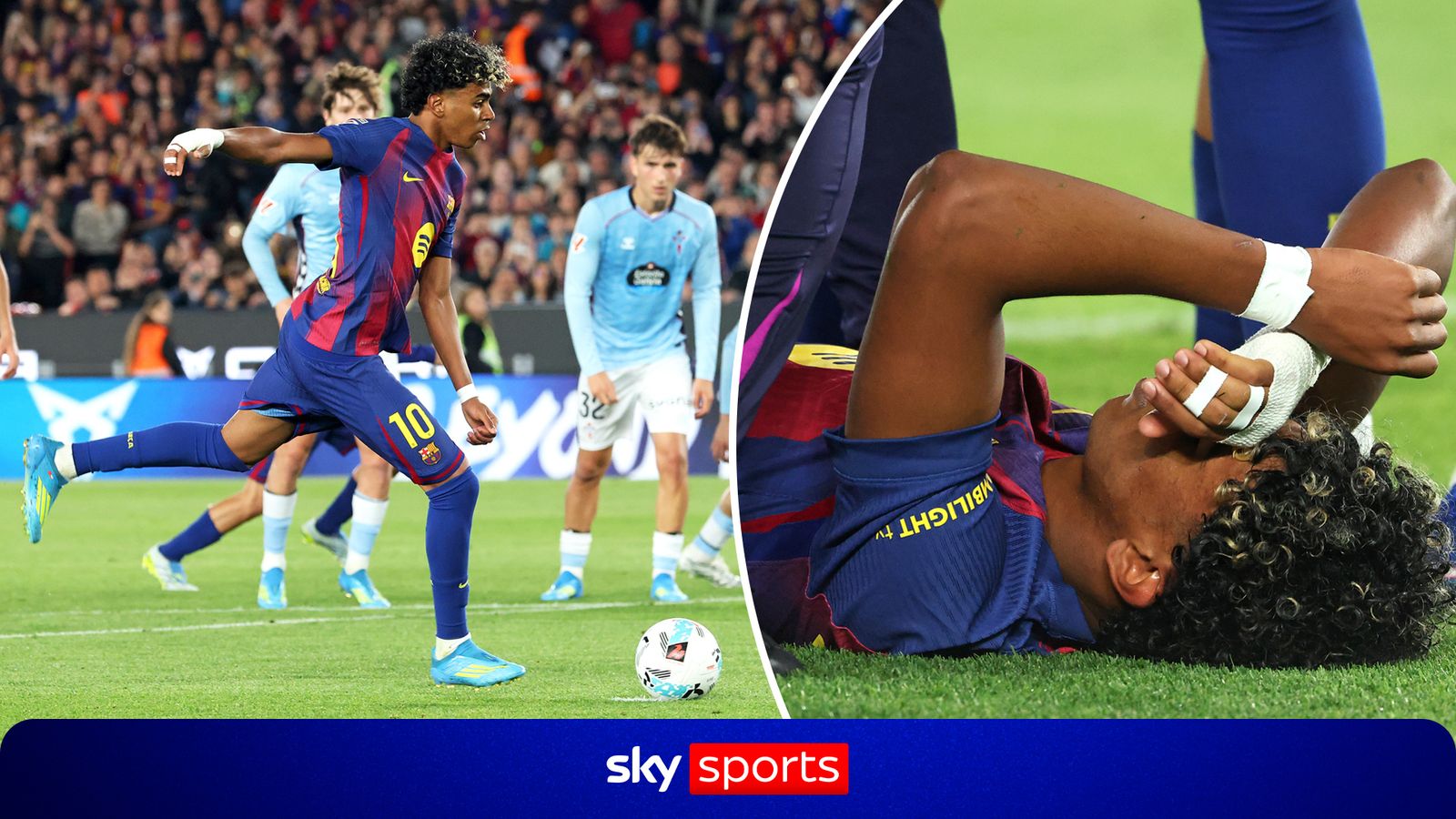
Barcelona’s tactical setup for their decisive Champions League quarter-final against Atletico Madrid suffered a significant blow before kickoff, with Raphinha ruled out through injury. The Brazilian winger, a key figure in the club’s build-up play, was unavailable for selection as the squads were confirmed at the Camp Nou.
This absence forced a reshuffle in the final third, placing immense pressure on frontline counterparts to create against a disciplined Diego Simeone side. Raphinha’s ability to manipulate defensive gaps is a hallmark of this Barcelona iteration, and his removal from the equation limited the team's ability to transition quickly from midfield.
Tactical ripple effects and the Atletico onslaught
With Raphinha sidelined, the burden of creativity fell on the remaining attackers, though the move proved ineffective against an Atletico defense comfortable in its deep block. The injury created a vacuum in wide areas, forcing Marcus Rashford to drift into central channels where he found little space against a compact opponent. The strategic implications were immediate as Barcelona’s offensive rhythm remained disjointed throughout the evening.
As Sky Sports reported, the resulting confusion was amplified by Julian Alvarez’s early strike, which shifted the match tempo entirely. Without Raphinha’s pace to keep the Atletico backline honest, the visitors maintained a physical presence that stifled Barcelona’s momentum from the 10th minute onwards. The lack of depth in the wide positions hindered Barcelona's recovery when forced to play with 10 men.
Historical context for Barcelona’s medical management
Barcelona’s season has been defined by high-intensity fixtures, and this latest physical setback mirrors a string of absences that have hampered squad consistency in the spring window. Managing load during a compressed Champions League schedule is standard practice, but the timing for Raphinha—right on the cusp of an all-Spanish knockout clash—highlights the razor-thin margins at the elite level.
Compared to previous campaigns, the club has struggled to rotate effectively without suffering a drop in output. When a primary creative outlet is forced onto the treatment table, the team often lacks a secondary transition specialist to fill the void. The result was a 0-2 deficit that leaves Barcelona with a substantial mountain to climb in the second leg.
The broader impact on the Barcelona campaign
The absence of Raphinha is not merely a personnel issue; it represents a failure to maintain attacking cohesion during the most vital stretch of the season. Following the disappointment of their current UCL predicament, medical staff will be under the microscope as fans question the recurrence of soft tissue issues in key players. This is an all-too-familiar hurdle for the club as they look toward the domestic run-in.
The loss of a starter often forces managers into reactive substitutions. While the club has not disclosed specific timelines for Raphinha’s return, silence regarding his rehabilitation progress suggests a cautious approach. This caution may keep him out of the squad for the immediate future, adding another layer of uncertainty to a season currently defined by high-stress fixtures and intense scrutiny from supporters.
Moving forward, the medical team must ensure the wing rotation holds up. Without a return to full health for the squad’s core, Barcelona risks seeing their European ambitions evaporate in the coming weeks. The strategic reliance on specific profiles in the attack makes any future injury to the wings a catastrophic failure in the club’s planning.
Read Next
- Raphinha's absence exposes Barcelona's structural fragility
- Simeone just dragged Barcelona back to their worst nightmares
- Courtois sidelined: Real Madrid’s Champions League hopes take a hit
- Barcelona are flirting with disaster in the Champions League
- 🇧🇷 Brazil World Cup 2026 — A Seleção Hub
- ⚽ La Liga 2025-26 — Title Race Hub
- ⭐ UCL 2026 — Champions League Quarter-Finals Hub