
Rashford's title win exposes Man Utd's chaotic rebuild

The painful irony of a champion made elsewhere
On Sunday night, as the ball left Marcus Rashford’s boot and flew into the Real Madrid net, it secured more than just a stunning El Clasico victory for Barcelona. It clinched the La Liga title. For the Manchester United loanee, it was a moment of supreme triumph, the culmination of a revitalising spell in Catalonia. For his parent club, it was a moment of supreme, painful irony. Just 24 hours earlier, United had played out a goalless, ambition-free draw away to Sunderland, a result that perfectly encapsulated their current state of managed decline.
Rashford, a player nurtured at Carrington, a symbol of the club's academy, had to leave to become a champion. After the celebrations, he spoke out on his transfer situation, making his desire to remain with Barcelona abundantly clear. It’s a damning indictment of the environment at Old Trafford. While one of their own was conquering Spain, United were struggling for a single shot on target against a relegation-threatened side, a stark illustration of the chasm between where they are and where they think they should be. The success of a player they failed to get the best from is the ghost that will haunt this summer's chaotic transfer window.
A ship without a captain
The biggest obstacle to any coherent transfer strategy is the gaping void in the manager’s office. Michael Carrick has done a commendable job as interim, steadying a listing ship and, as reports from Spain suggest, giving his private verdict that Rashford has no future at Old Trafford. But he is a temporary solution. The permanent direction of the club remains a mystery, and you cannot build a house without an architect.
The persistent links to Bournemouth’s Andoni Iraola are telling. Iraola himself has acknowledged the speculation, noting that “this is going to happen” when clubs like United are searching for a new boss. But the fact that INEOS are courting a manager from a mid-table Premier League club while simultaneously pursuing a list of high-profile, expensive European talent suggests a fundamental disconnect. Is the plan to build a disciplined, high-pressing system like Iraola’s? If so, why the scattergun approach to player recruitment? Who is driving these decisions? Technical director Jason Wilcox? Or is it a series of disconnected moves driven by agent availability?
Signing players without a manager in place to sanction them is a recipe for disaster, a repeat of the mistakes that have plagued the post-Ferguson era. Until a permanent manager is appointed, with a clear philosophy and the authority to approve signings, every transfer rumour is just another name thrown at a wall of dysfunction.
The midfield merry-go-round
Nowhere is this lack of strategy more evident than in central midfield. With Casemiro’s departure looking certain this summer, a replacement is critical. Yet United’s approach seems to be to target every available midfielder in Europe and see who says yes. The list is as long as it is incoherent. The leading candidate appears to be Atalanta’s Ederson, a Brazilian midfielder for whom United are reportedly in talks over a deal that could be worth up to €50m. Reports claim the player has already agreed to the move, a decisive step for a powerful box-to-box presence.
At the same time, the club is being heavily linked with Real Madrid’s Aurelien Tchouameni. This pursuit seems entirely opportunistic, born from an alleged training ground bust-up with Federico Valverde. While Madrid’s public stance is that he isn’t for sale, the fact United are circling suggests they are ready to pounce on any hint of discord. But Tchouameni is a pure defensive midfielder, a completely different profile to Ederson. Which one fits the 'plan'?
The list doesn't stop. Wolves’ Joao Gomes has been mentioned as a Casemiro replacement. Even more fancifully, Fabrizio Romano has named Chelsea’s Cole Palmer as a ‘dream’ INEOS target, a suggestion that United insiders have apparently laughed off. This scattergun approach is alarming. It does not suggest a club with a clear vision for its midfield engine room. Instead, it points to a recruitment department compiling a list based on availability and reputation, not tactical fit. As ex-player Jaap Stam recently bemoaned, the club has a history of transfer mistakes born from a lack of foresight.
Patching a leaky defence
The confusion extends to the back line. With the defence proving porous all season, reinforcements are needed. Yet the names being linked do not inspire confidence that a dominant new partnership is on the horizon. According to insiders, United are pursuing Juventus wing-back Andrea Cambiaso. The Italian, valued around £30m, is also being tracked by Liverpool and Arsenal, a sign of his quality but also an indication that United are simply shopping in the same crowded market as their rivals.
Perhaps more revealing is the confirmed scouting of David Affengruber, a centre-back from Austrian side Sturm Graz. While he may be a hidden gem, pursuing a player from the Austrian Bundesliga while simultaneously being linked with superstars like Tchouameni paints a picture of a club without a defined recruitment bracket. Are they hunting for value, or are they hunting for superstars? The answer appears to be both, and therefore neither. It's a strategy of hoping something, anything, works. This feels less like building a foundation and more like applying another layer of expensive wallpaper over cracked plaster.
INEOS's new era looks disturbingly familiar
When INEOS took control, they promised a new era of best-in-class operations. They spoke of process, of structure, of elite performance. Yet the first summer transfer window of their reign is shaping up to be a carbon copy of the chaotic, directionless windows that came before it. A U-turn on the future of Bruno Fernandes, who was expected to leave but is now central to their plans, smacks of reactive decision-making. Clarifying that Amad Diallo is not for sale only after rumors swirled feels like PR management, not proactive squad building.
The club is moving on multiple fronts, with links to Leicester's 'generational' winger Jeremy Monga adding another name to the ever-growing list. But action is not the same as progress. This frantic activity projects an image of ambition, but it masks a deep-seated lack of a core footballing identity. It’s a plan to acquire assets, not build a team.
And all the while, Marcus Rashford is celebrating a league title in Spain. He is the living, breathing proof that the problem isn't always the player. Often, it's the club itself. Until Manchester United decide what kind of team they want to be, and who they want to lead it, they will remain stuck in this cycle of expensive hope and inevitable disappointment, watching from afar as their own talent finds success somewhere else.
More Coverage

Falkirk gambling on prospect Paul McGovern to fuel push
14 minutes ago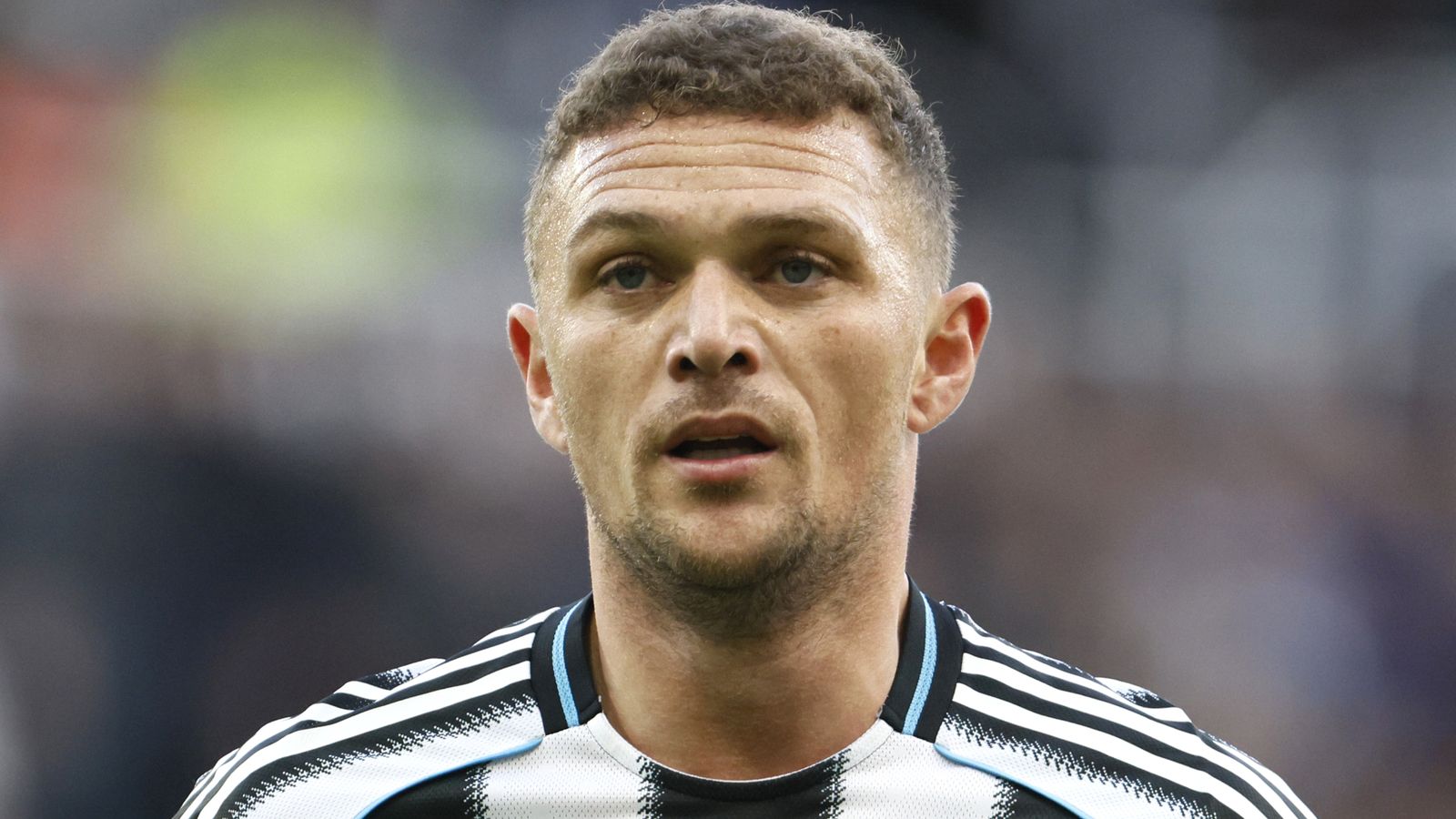
Kieran Trippier is the exact veteran Wolves need right now
2 hours ago
Manchester United’s Summer Obsession: Why Inconsistency Defines the Strategy
2 hours ago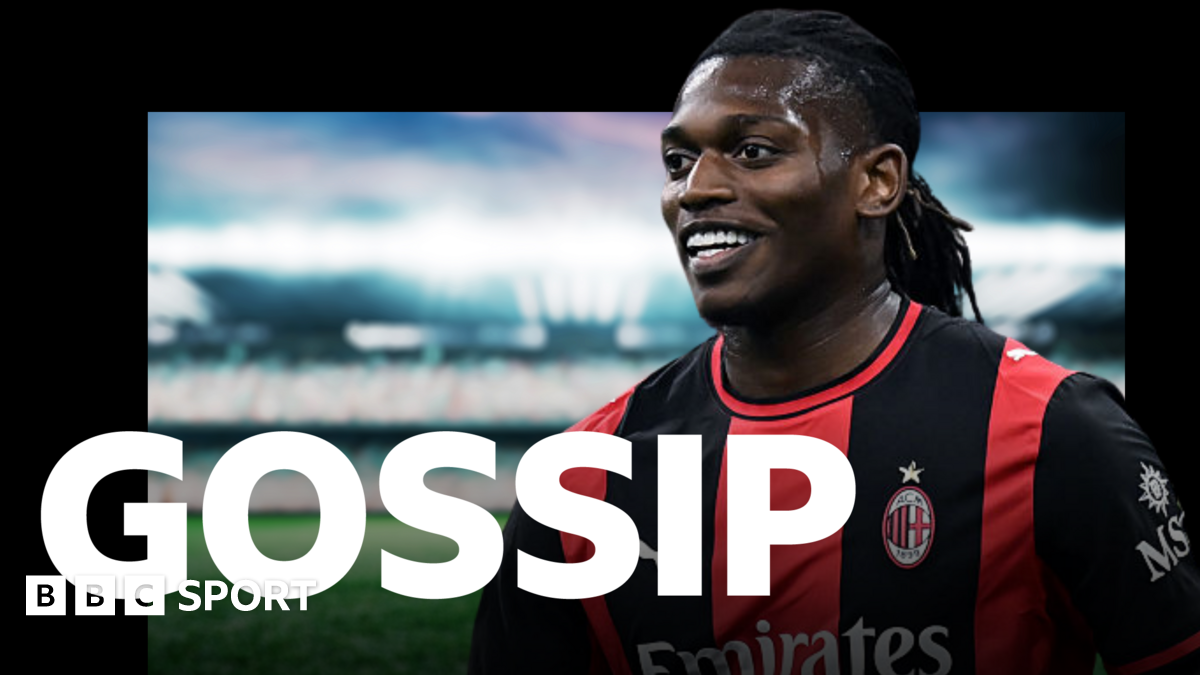
Manchester United are chasing ghosts with the Leao pursuit
4 hours ago
Arsenal's transfer strategy remains locked on silverware
4 hours ago
Ella Toone is the most realistic window into the modern footballer's life
9 hours agoMore Analysis

Man United's summer rebuild is already getting messy
1 week, 5 days ago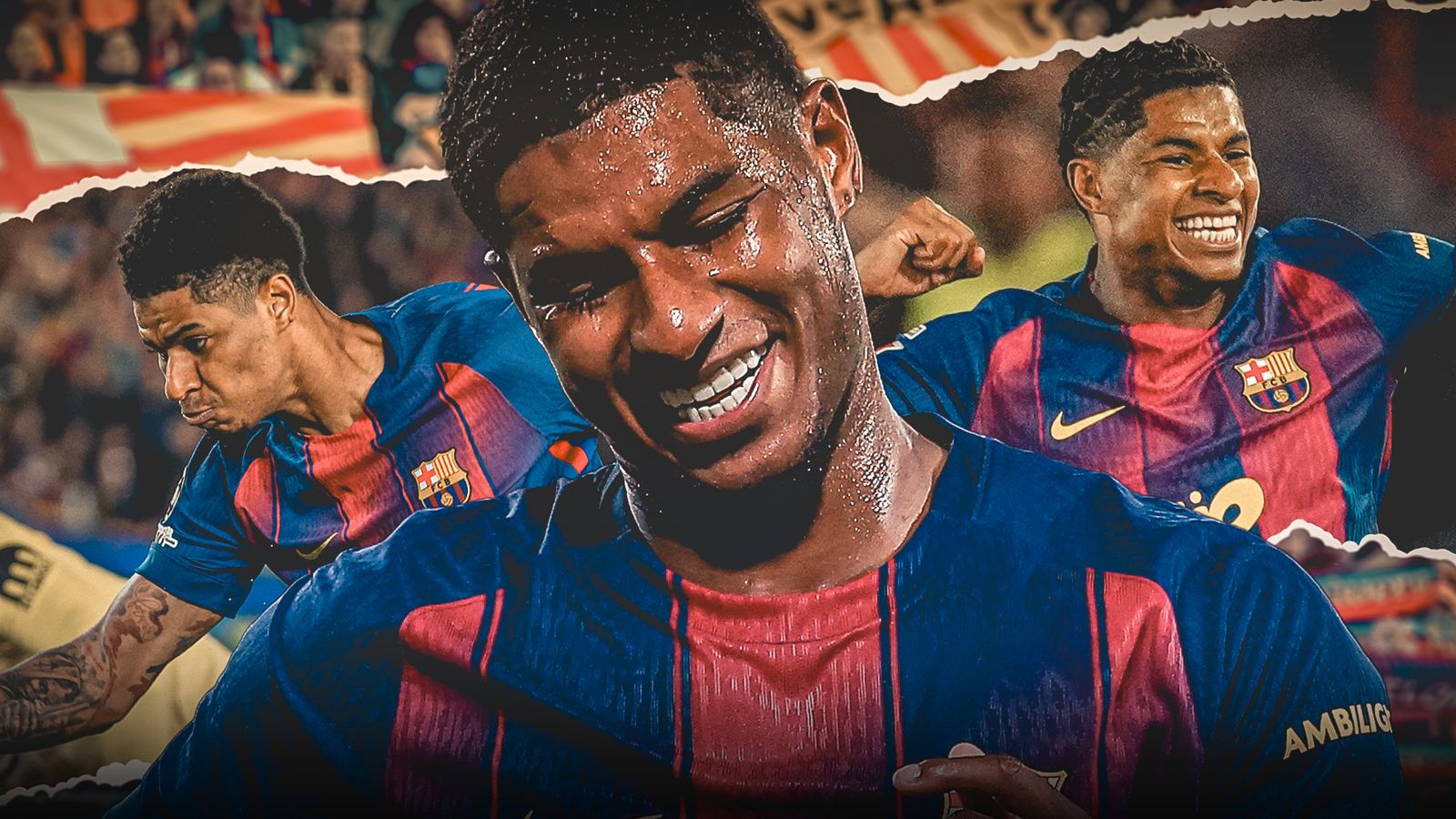
Inside Manchester United’s managerial chaos and the looming Rashford dilemma
2 weeks, 2 days ago
Man United's chaotic summer: The Valverde pursuit and Rashford's Barcelona trap
2 weeks, 2 days ago
Marcus Rashford’s imminent departure signals a messy summer for United
3 days ago