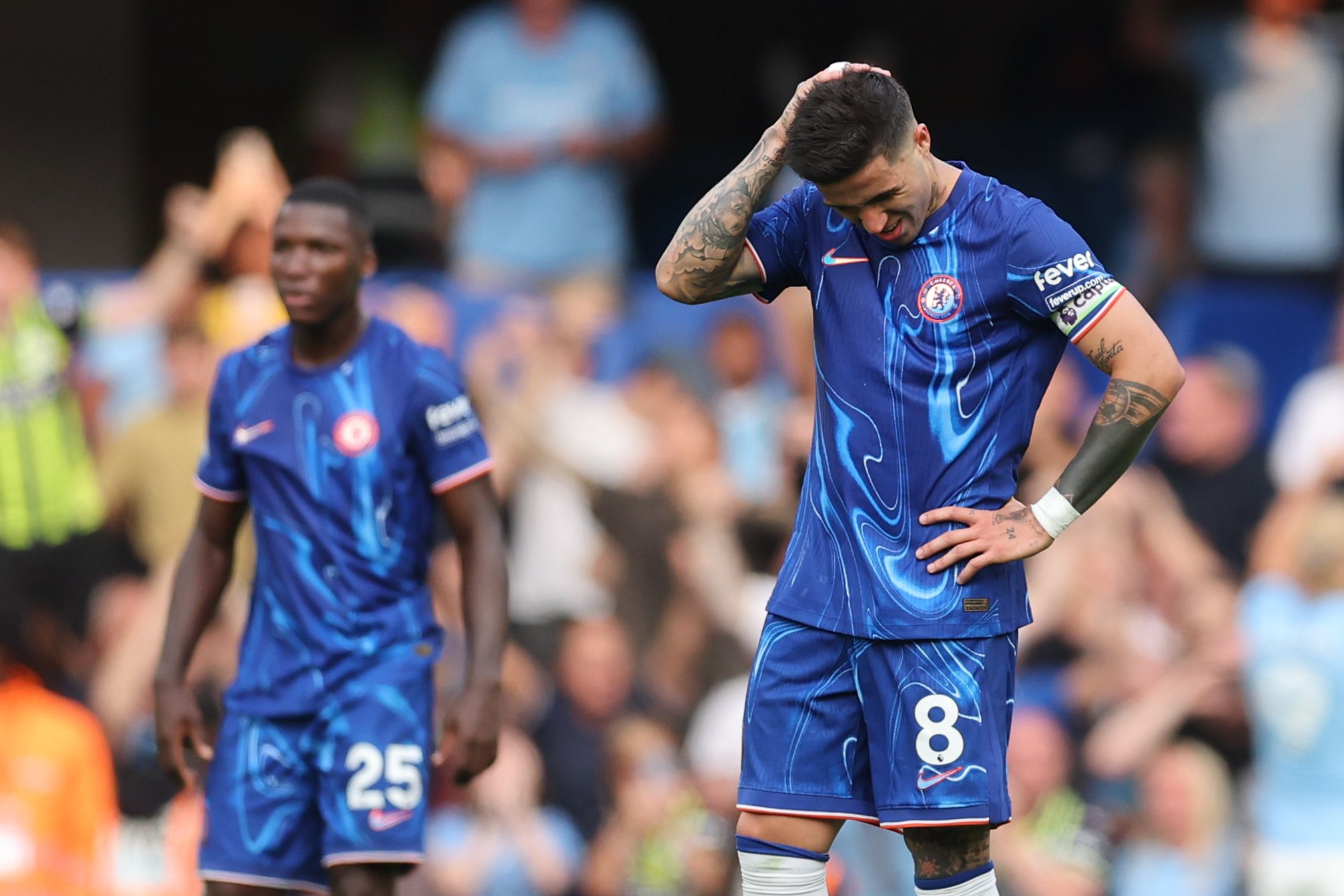
The Enzo Fernandez standoff moves toward a quick resolution
The transfer market is moving at a blistering pace this May, and the future of Chelsea midfielder Enzo Fernandez is the epicenter. Multiple reports confirm that Chelsea has finally signaled a willingness to move the Argentine star, with Real Madrid emerging as the frontrunner in negotiations. The club is reportedly demanding a massive fee for his services, pushing the valuation well past the nine-figure mark.
For Chelsea, this serves as a cynical corrective to the massive spending sprees of previous seasons. Having secured Fernandez to a long-term deal, holding him for a massive profit is the only logical move for a balance sheet under pressure. The current asking price is pegged at £120m, a figure that signals just how desperate the hierarchy is to clear out high-earning, disillusioned talent.
Why Real Madrid holds all the cards in midfield
Reports out of Spain suggest that Xabi Alonso, a central figure in the tactical planning for many elite clubs, is intimately familiar with the player's preferences. Fernandez has reportedly made his choice clear, opting for the Santiago Bernabéu over the project currently taking shape at Manchester City. The financial power of Real Madrid is being tested, with audacious player-plus-cash proposals being floated to bridge the valuation gap.
This is a tactical gamble for the Spanish giants. While Fernandez is unquestionably talented, committing such an astronomical sum to a single midfielder ignores the aging legs elsewhere in their engine room. The pressure will be immediate; a player commanding a £120m fee has zero margin for error in the Spanish title race. Anything less than a dominant league showing will immediately be labeled a failure of scouting and recruitment.
The ripple effect on Manchester City and Pep Guardiola
The uncertainty in Manchester is equally palpable. With Pep Guardiola weighing his future, ripples of discontent are reaching the dressing room. Ruben Dias is reportedly looking for an exit strategy, signaling a potential collapse of the current defensive structure. For a club that prides itself on stability, having key leaders like Dias seeking agents to facilitate a move is a PR disaster waiting to happen.
Guardiola's influence on recruitment is also shifting. Reports indicate that Manchester City is preparing a €60m bid for Brahim Diaz to reshape their attacking options. They are trying to pivot while the ground shifts beneath them, but the move feels reactionary compared to the aggressive, long-term planning being executed in Madrid. If they lose out on Fernandez and see their captain looking for the exit, the upcoming season could be one of significant turbulence.
Barcelona's aggressive shopping list
While the focus remains on London and Madrid, Barcelona is quietly looking to bolster their roster before the FIFA World Cup kick-off. Recent updates suggest an agreement is in place for Anthony Gordon, a move that would provide them with much-needed width and direct aggression. It is a savvy, if risky, maneuver to secure top-tier talent before the market hits the peak madness that global tournaments inevitably bring.
The club is clearly betting that high-profile additions can paper over lingering financial inconsistencies. If the deal for Gordon proceeds, the tactical shift at the Camp Nou will be radical. Expect them to move away from possession-heavy recycling and toward a more transition-based, rapid-fire style of play that punishes mistakes in the final third.
The reality of the current transfer window
The industry is currently in a state of rapid flux, with no club feeling truly secure. The constant drip of rumors surrounding Manchester United and Arsenal further complicates the picture. Every major side is attempting to clear house, yet the market for high-value players remains thin. We are seeing a contraction in viable destinations for elite stars, forcing clubs to get creative with their offers or risk holding onto players who no longer want to represent their badges.
This suggests a summer of broken promises and late-night negotiations. Managers are being asked to build title-winning squads while their boards prioritize balance sheets and asset liquidation. It is a precarious way to operate. As we approach the mid-June tournament threshold, the number of completed deals will not necessarily reflect the amount of work being done behind the scenes; the logjam at the top of the table is just warming up.
Read Next
- Real Madrid are plotting a massive summer overhaul under Jose Mourinho
- Why Enzo Fernandez staying at Chelsea is the right move for everyone
- Manchester City are ready to sell Savinho to Tottenham
- Xabi Alonso's Chelsea rebuild is already a public relations car crash
- 🇦🇷 Argentina World Cup 2026 — Defending Champions Hub
- ⚽ La Liga 2025-26 — Title Race Hub
- ⭐ UCL 2026 — Champions League Quarter-Finals Hub