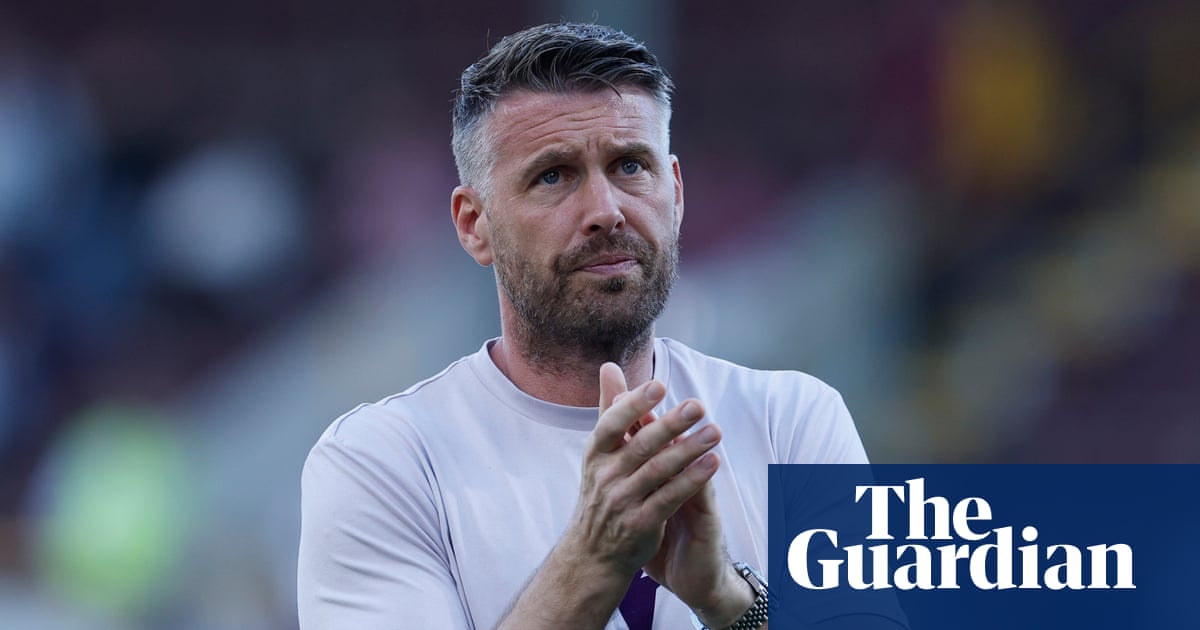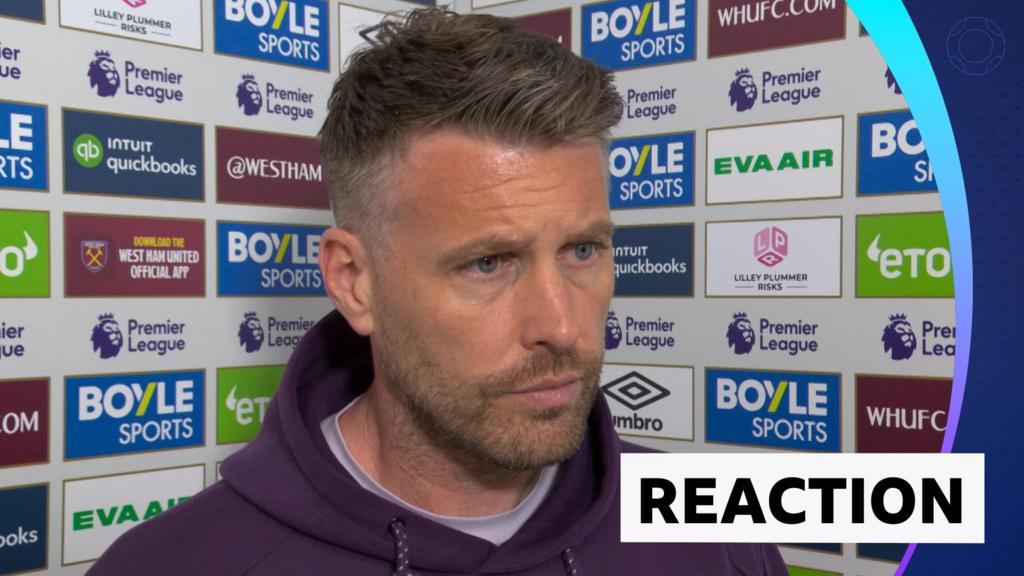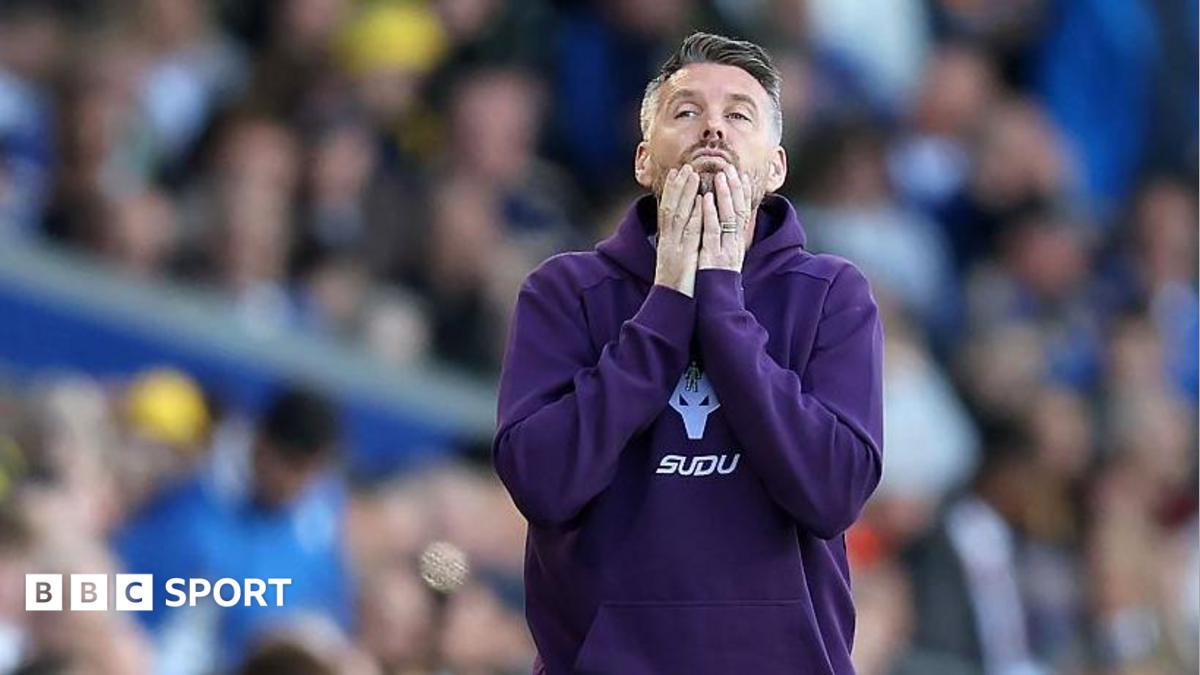
Wolves cut ties with Rob Edwards after seven months
Wolverhampton Wanderers have officially parted ways with head coach Rob Edwards, marking the conclusion of a tenure that lasted barely longer than half a Premier League campaign. The move comes as a jarring administrative failure, with reports indicating that Edwards discovered his position was in peril via social media rather than a formal briefing from executive leadership. The breakdown in communication signals a deeper dysfunction behind the scenes at Molineux.
Edwards arrived with a mandate to stabilize the squad and modernize the tactical setup, but the pressure to deliver immediate results has clearly overwhelmed the club's long-term planning. Seven months is a distinctively short window to implement a philosophy, yet the board has opted for a clean break before the summer window shifts into high gear. The timing suggests a lack of alignment between the manager and the scouting department regarding the necessary squad overhaul.
I found out the news through social media, not through a conversation with the board.
The lack of professional courtesy from Wolves leadership is the most damning aspect of this transition. When a club relegates a head coach to learning about their own termination through news feeds, it exposes a massive crack in the organization’s culture. Players talk, and the locker room dynamic surely eroded as rumors of this meeting swirled on platforms throughout the morning. It creates a toxic environment that the next incumbent will have to scrub clean immediately.
Tactical stagnation and a failure of mission
Beyond the logistical nightmare of the firing, the footballing reasoning remains murky. Edwards was brought in to provide a fresh approach, yet the efficiency of the attack remained stagnant throughout his tenure. The side struggled to find the back of the net consistently, and defensive lapses during the final month of the campaign stripped away any goodwill built during the winter period. The analytics clearly indicated a decline, and the decision-makers clearly panicked under the weight of supporter frustration.
Critics point to the lack of clear patterns of play as the primary reason for his dismissal. In matches against mid-table opposition, the squad frequently looked disjointed, failing to transition from a low block into effective counter-attacks. While the squad dealt with injury headaches, the inability to field a consistent XI hampered the development of a cohesive rhythm. When the points dry up, the manager inevitably becomes the scapegoat for a roster that objectively lacks depth in the wide areas.
What this means for the managerial market
The departure of Edwards leaves the club in a precarious spot just as the 2026 summer window opens. With the World Cup kicking off today, the attention of the global footballing hierarchy is currently elsewhere, which might complicate the search for a permanent successor. Elite coaches prefer a stable environment, and the optics of this firing will likely scare away top-tier candidates who value transparency and patience. The front office now faces a tight 30-day window to secure a replacement before the pre-season schedule officially commences.
This is a high-risk gamble by the Wolves board, as they now head into an uncertain period without a clear rudder. Hiring a coach, waiting seven months, and then dumping them via Twitter is a recipe for continued mediocrity. If the club fails to articulate a coherent vision to the next candidate, they risk another season of fighting tooth and nail to avoid the drop. The expectation was that the owners would show restraint; instead, they have leaned into the reactionary nature of modern football ownership. Stability is becoming an endangered species at the club level, and Wolves have proven themselves to be at the front of that trend.