The Understatement of the Century
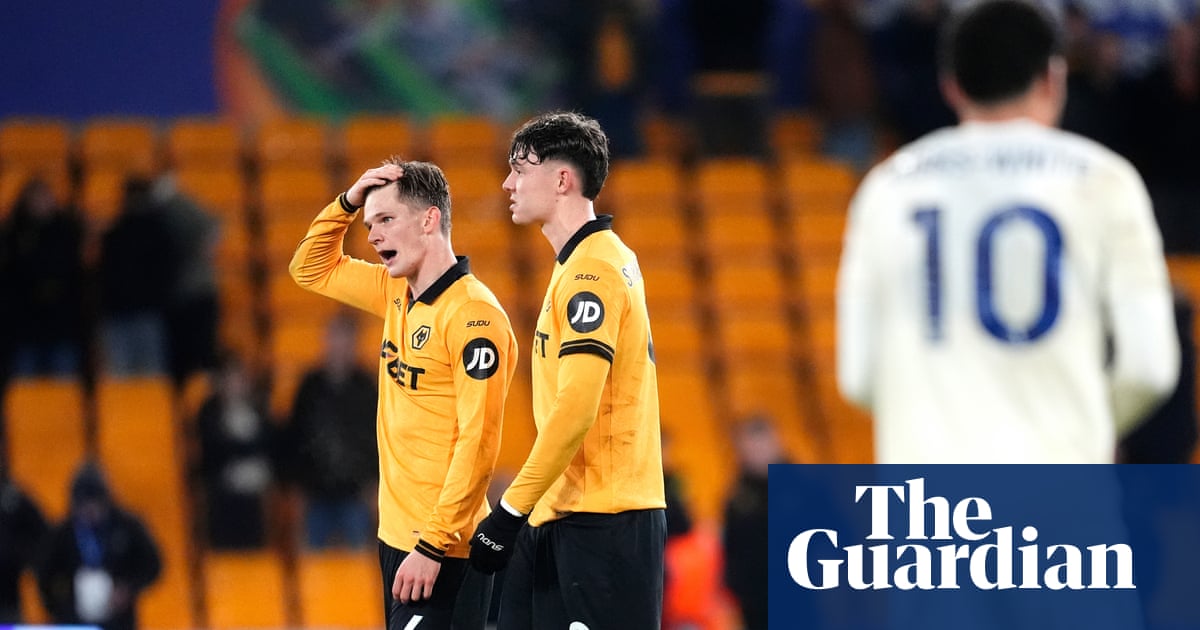
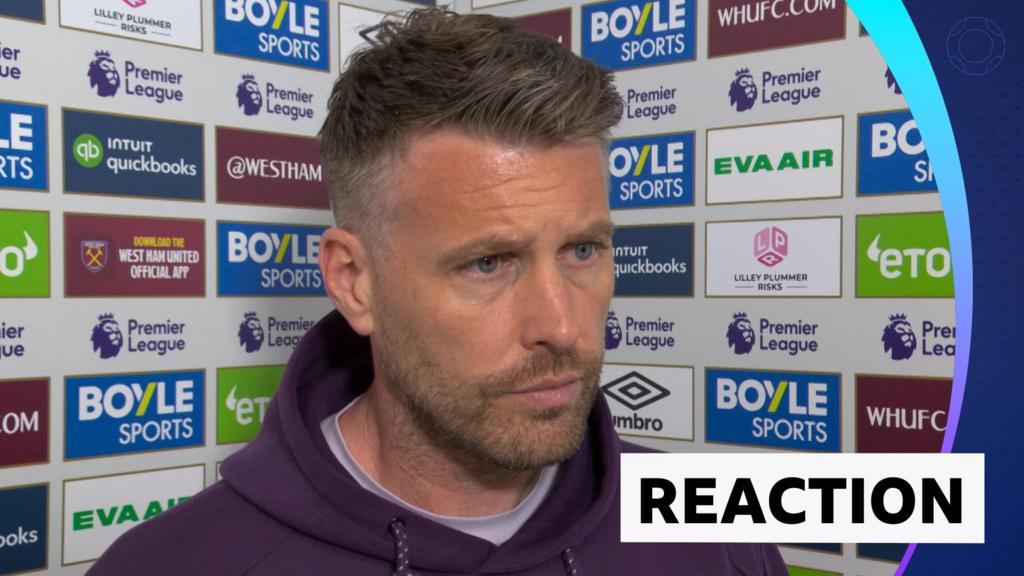
"Difficult night." That’s what Wolverhampton Wanderers boss Rob Edwards called it. A difficult night. If my basement flooded, my transmission dropped out on the highway, and my dog ran away all within a four-hour window, I might call it a difficult night. Getting absolutely flattened 4-0 by West Ham United feels like it requires slightly more aggressive vocabulary. But that’s the reality of the modern post-match press conference circuit.
You stand there on the touchline, looking slightly shell-shocked, while reporters ask you variations of "why did your team look so abysmal?" You have to deliver soundbites that don't completely throw your squad under the bus while still acknowledging the horrific reality of what everyone just watched. The full quote, as reported by the BBC, was brutally simple.
"They punished our mistakes." - Rob Edwards
It’s perhaps the most terrifying phrase in top-flight football. It implies a total lack of control. It implies that you didn't just get out-tactic'd by a superior masterclass; you actively handed the opposition the loaded weapons they used to execute you. And West Ham are exactly the wrong team to hand weapons to. They thrive on the exact kind of chaos Wolves decided to provide.
The Anatomy of a Top-Flight Mistake
Let's talk about what "mistakes" actually mean in this brutal context. We aren't just talking about a goalkeeper letting a routine shot slip through his gloves, though that certainly accelerates the misery. When a manager like Edwards talks about mistakes leading to a four-goal blowout, he's talking about cascading structural failures.
He's talking about a center-back stepping up two yards too far to challenge a ball he was mathematically never going to win. He's talking about a central midfielder taking one too many touches while facing his own goal instead of clearing his lines. He's talking about the wingbacks getting caught so aggressively high up the pitch that the transition defense looks less like a back line and more like a mere suggestion.
West Ham don't need you to make ten consecutive mistakes to score a goal. In the current Premier League environment, they just need one poorly timed pass in the middle third. Once that turnover happens, the transition is instantaneous. The trap is sprung. The punishment is already in motion before the offending player has even turned his head in panic.
You can practically visualize the sequence that leads to a manager muttering darkly about mistakes in the tunnel. The ball is turned over. The collective, panicked gasp from the traveling away end. The frantic, disorganized scramble backwards. The inevitable, sinking realization that you are numerically disadvantaged against players who run very fast and finish very clinically. By the time the ball hits the back of the net, the mistake itself is ancient history, but the punishment is glowing right there on the stadium scoreboard.
Tactical Naivety and In-Game Management
This is where we have to be harshly critical of Wolves, and specifically of the coaching setup. It’s entirely admirable to want to play progressive, front-foot football. It’s great for the brand to want to build from the back and control possession metrics. But if your personnel cannot execute those complex instructions under high pressure, you are essentially playing Russian roulette with a fully loaded tactical revolver.
The sheer naivety involved in continually trying to force the issue when it clearly isn't working is baffling. A four-goal deficit doesn't just happen because of bad luck or a weird bounce off a shin pad. It happens because a system fails completely, and the manager completely fails to plug the glaring holes before the ship takes on too much water. If West Ham is punishing your mistakes time and time again in the exact same manner, perhaps the overarching mistake is the game plan itself.
You have to seriously question the in-game management. When you go down by two goals early because of a sloppy midfield turnover, the immediate, screaming priority has to be stabilization. You shut up shop. You drop deeper. You force the opposition to try and break down a rigid low block. You do whatever ugly, cynical things it takes to ensure the bleeding stops temporarily.
Wolves flatly refused to do that. They kept playing right into West Ham's hands. They kept leaving massive, gaping spaces behind the midfield line that were greedily exploited by runners. It was a tactical disaster class wrapped in the convenient guise of "individual errors." You can absolutely blame the players for the heavy touches and bad passes, but you have to blame the coaching staff for putting them in structural positions where those bad passes are instantly fatal.
The Long Journey Home
Spare a thought for the traveling support. The away fans who paid exorbitant ticket prices, navigated the crumbling rail network, and committed their entire day to watch their team put on a performance that generously could be described as an absolute shambles. When you travel to see your team, you accept that you might lose. You accept that the other team might just have more quality on the day.
What you don't accept, what you can never accept, is a capitulation born of entirely preventable errors. Watching your center-back gift possession away for the third time in forty-five minutes isn't just frustrating; it's insulting to the effort the fans put in to be there. Edwards knows this. The players know this. The walk over to the away end after the final whistle must have felt like a march to the gallows.
The polite applause from the few who stayed until the bitter end is almost worse than the boos. It signifies resignation. It signifies that the fanbase expected exactly what they got. The immediate fallout from a result like this is always toxic. Fan forums melt down. Talk radio lines light up with people demanding immediate sackings and squad overhauls.
While that's usually just reactionary noise, the underlying anxiety is entirely justified. A loss of this magnitude isn't a blip; it's a glaring, neon warning sign that the foundational mechanics of the team are broken. If West Ham can slice through you with such terrifying ease, what happens when you face a team with genuine title aspirations? The mind boggles at the potential scorelines.
The Hangover of a Hammering
This result is a massive, violent reality check for the club. The Premier League is an utterly unforgiving meat grinder. There is no designated grace period for a difficult night. The fixtures come thick and fast, and you can guarantee every other team in the division is currently watching the tape of this match, taking copious, detailed notes on exactly how to trigger those exact same profitable mistakes.
Edwards has a monumental job on his hands now, and it's mostly psychological. You don't just casually brush off getting dismantled like that. It lingers like a bad smell in the dressing room. It infects the baseline confidence of the defenders. Every single time a midfielder receives the ball under pressure in training next week, they are going to hear phantom footsteps. They are going to vividly remember what happened when they dawdled on the ball.
The real test of Rob Edwards isn't how smoothly he handles the post-match press conference. Anybody with media training can trot out the standard, tired cliches about dusting yourselves off, looking in the mirror, and going again next Saturday. The actual test is the next tactical meeting. It's the video analysis room. It's identifying exactly why those systemic mistakes happened and brutally, surgically excising the root causes from the playbook.
Because if he doesn't, if Wolves stubbornly roll out the same flawed structural setup next weekend hoping for a different result, another team will be more than happy to administer the exact same brutal punishment. And the post-match quotes will start sounding significantly less like analytical observation and much more like a managerial obituary. The margin for error at this level is microscopic. Wolves just found out the incredibly hard way what happens when you arrogantly ignore that reality. They didn't just lose a standard football match; they were aggressively, ruthlessly taken apart.