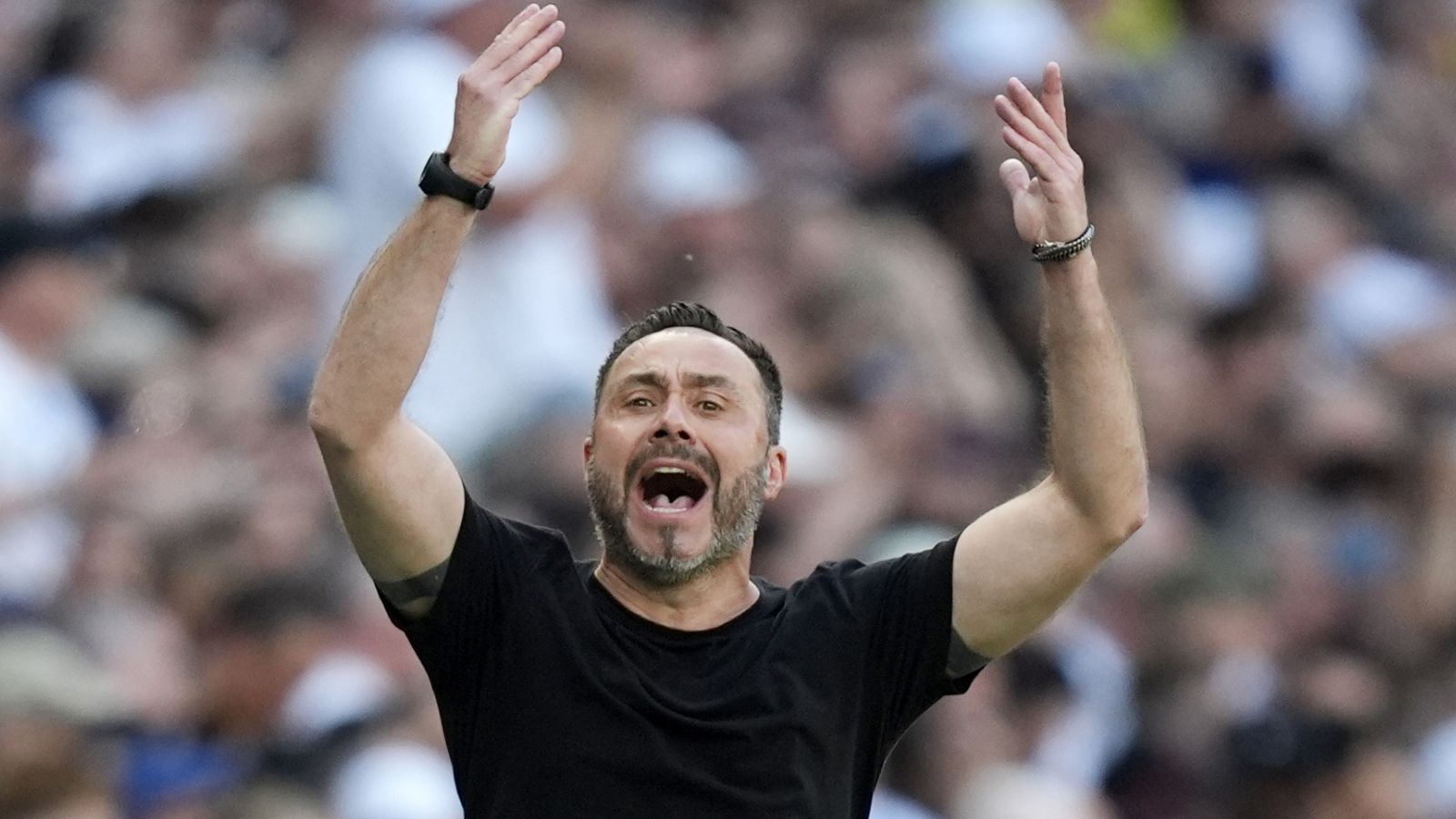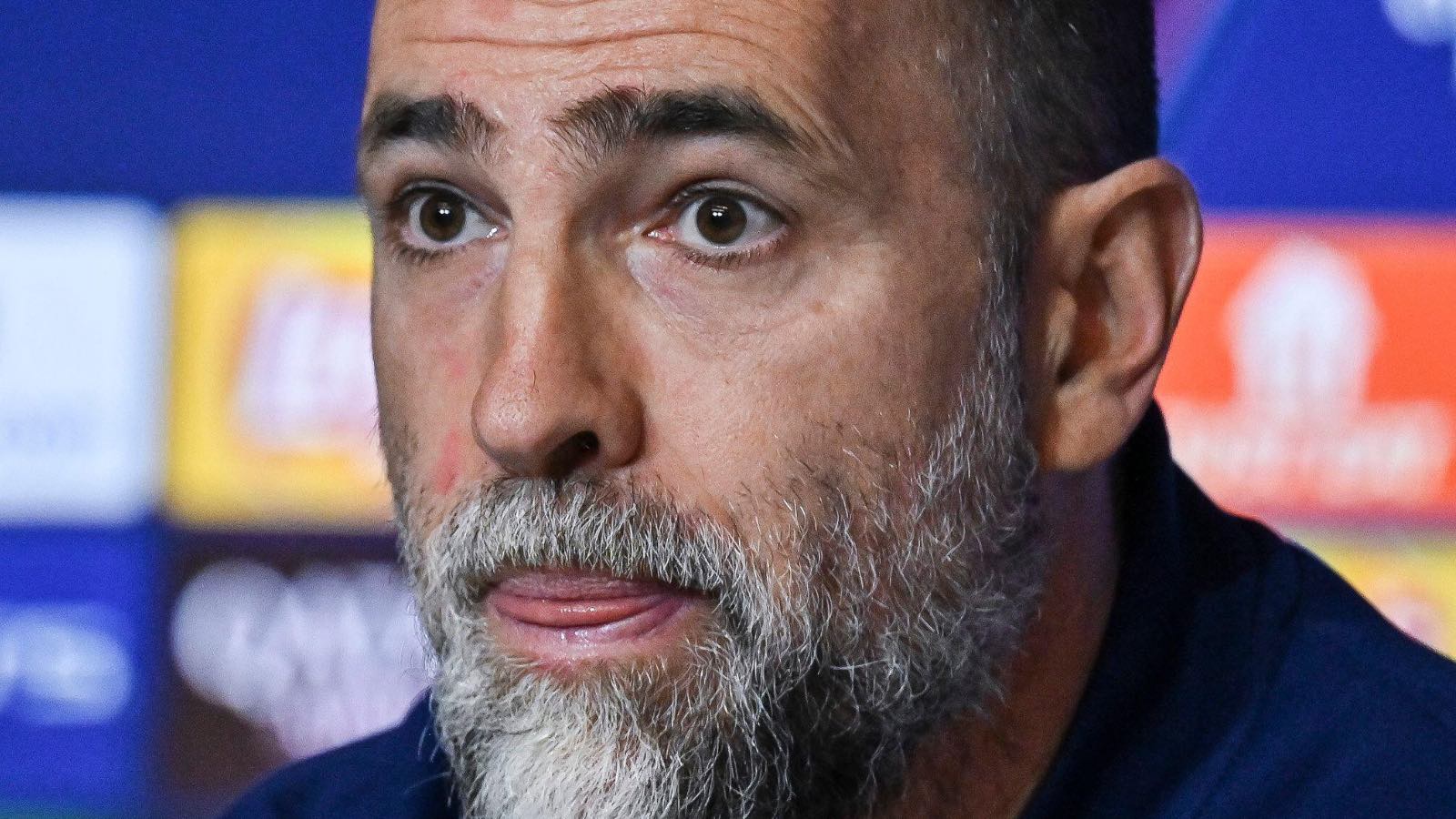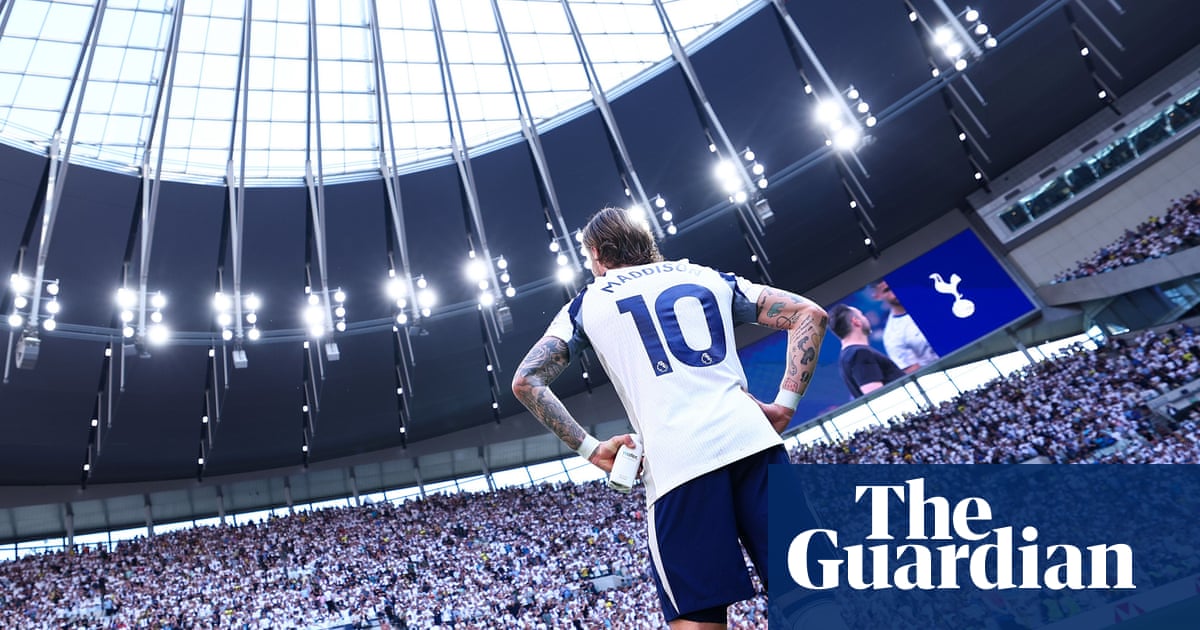
De Zerbi faces a defensive puzzle
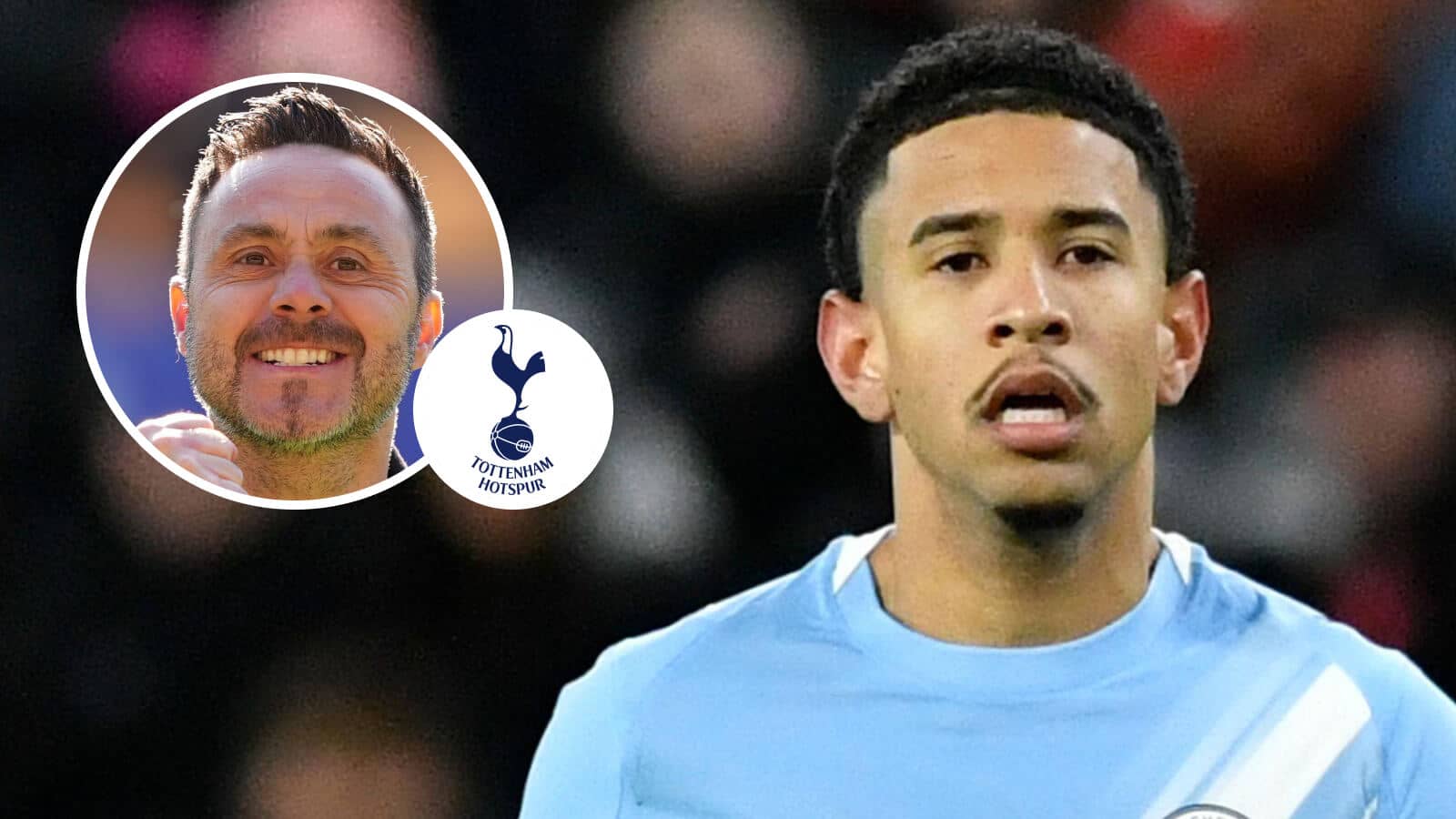
The transition to a Roberto De Zerbi style of play at Tottenham was always going to require surgical precision in the transfer market. With the summer window now open, the club is signaling a drastic shift in personnel that looks less like a refined tweak and more like a total gutting of the backline. The decision to let a long-serving defender walk away on a free transfer—a player who spent four years at Bournemouth before his arrival—highlights the chaotic nature of this window. As reported by the Daily Mail, De Zerbi is moving fast to fill these voids, but speed often masks a lack of cohesion.
The defensive exodus continues with the departure of Yves Bissouma, an exit that disrupts the central pivot role. De Zerbi demands specific triggers from his holding midfielders, relying on their ability to draw the opposition press before finding the spare man. Replacing a player who understands the intricacies of progressive passing into the final third is difficult enough; doing it while also managing a 29-year-old defensive departure requires a level of organizational depth the current recruitment team has yet to demonstrate. The squad is currently a collection of fragments rather than a functional machine.
The paradox of the Ben Davies extension
Sentimentality rarely pays dividends in the high-stakes world of Premier League recruitment, yet Tottenham have opted to retain Ben Davies for a 13th season. According to the Mirror, the veteran defender has signed a one-year deal despite being sidelined since January with a serious ankle injury. Bringing in experience for the locker room is one thing, but relying on a player coming off a long-term layoff to master the aggressive high line De Zerbi commands is a gamble. The math here is simple: if the defensive line sits 40 yards from their own goal, pace and lateral agility are non-negotiable. Davies will be 33 this year, and relying on his recovery to anchor the left side feels like a placeholder decision.
Meanwhile, the activity elsewhere is confusing. While Spurs look for defensive stability, clubs like Newcastle are scouting abroad with more targeted intent. As the BBC noted regarding Newcastle’s move for Ewen Jaouen, clubs are scouring the French second tier for physical profiles that can disrupt established patterns. Tottenham, by contrast, seem tied to a cycle of contract extensions and free-agent departures. The net spend might look impressive on a spreadsheet, but tactical stability requires more than just filling roster spots with whatever happens to be available.
The Verdict: Why the rebuild is already behind schedule
There is a recurring flaw in the current Tottenham blueprint: the lack of a clear exit profile. Allowing Bissouma to leave while simultaneously gambling on a recovering veteran in Davies suggests the hierarchy hasn't decided whether they are rebuilding for a top-four push or merely treading water. If De Zerbi wants to replicate the success he found with his previous clubs, he needs defenders who can handle 1v1 situations in acres of space. Current data suggests they are moving further away from that ideal.
My prediction for the opening month of the 2026/27 campaign? A stuttering start. The team will concede high-xG opportunities through the middle during the first 15 minutes of matches while they learn to sync their offside trap under the new staff. Expect a 3-1 loss in their opening game as they struggle to integrate the new defensive signings against a counter-attacking side. Spurs have the manager, but their personnel choices look like they were filed by a committee during a thunderstorm.