The 0.04 xG error that ended a season
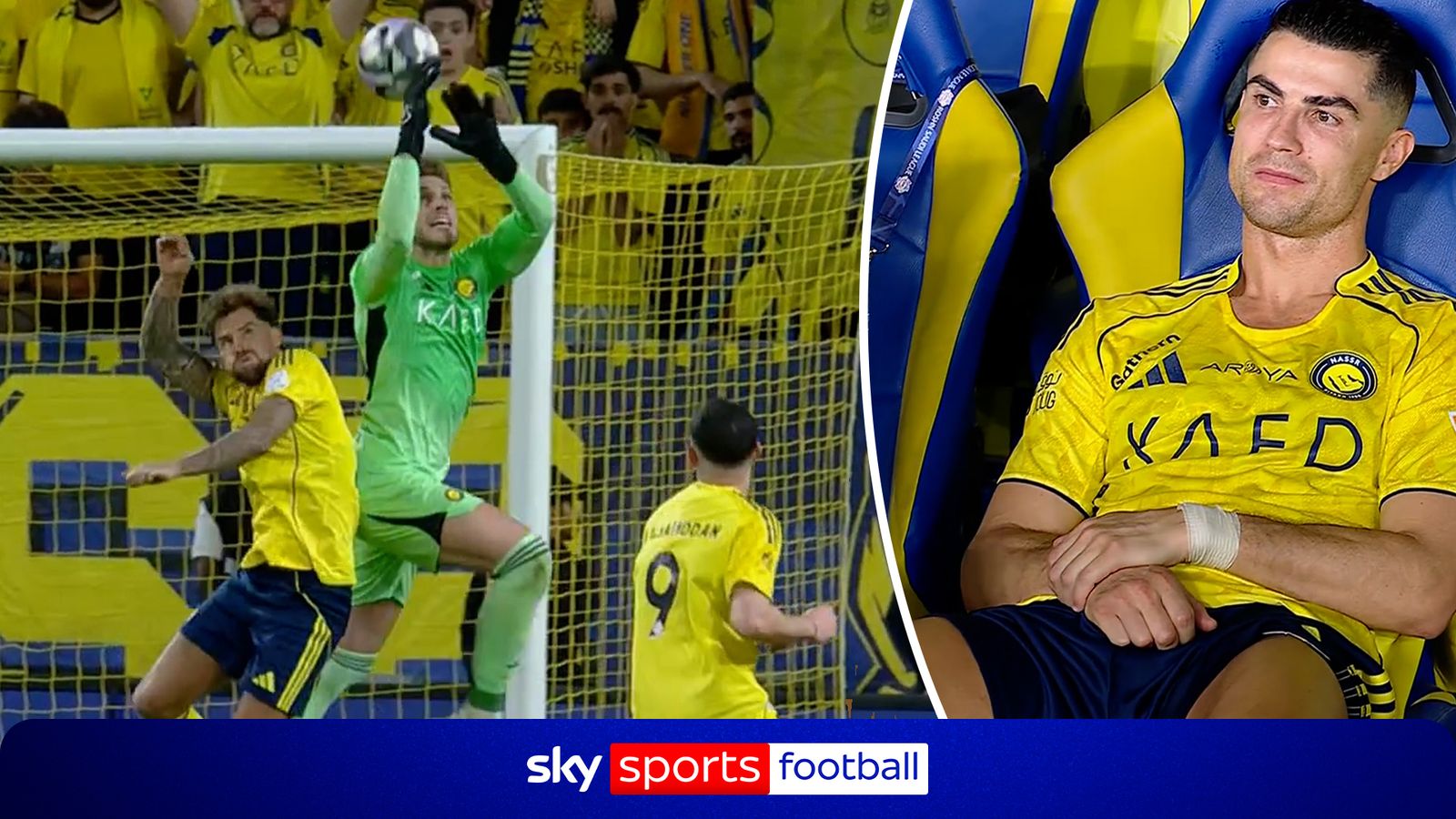
In a season defined by margins, Al Nassr just blinked. The error that allowed a routine cross to slip through the goalkeeper's hands in the 89th minute didn't just cost two points; it effectively handed the Saudi Pro League trophy to Al Hilal. Statistically, the chance carried an Expected Goals (xG) value of just 0.04. It was a ball that should be secured 96 times out of 100.
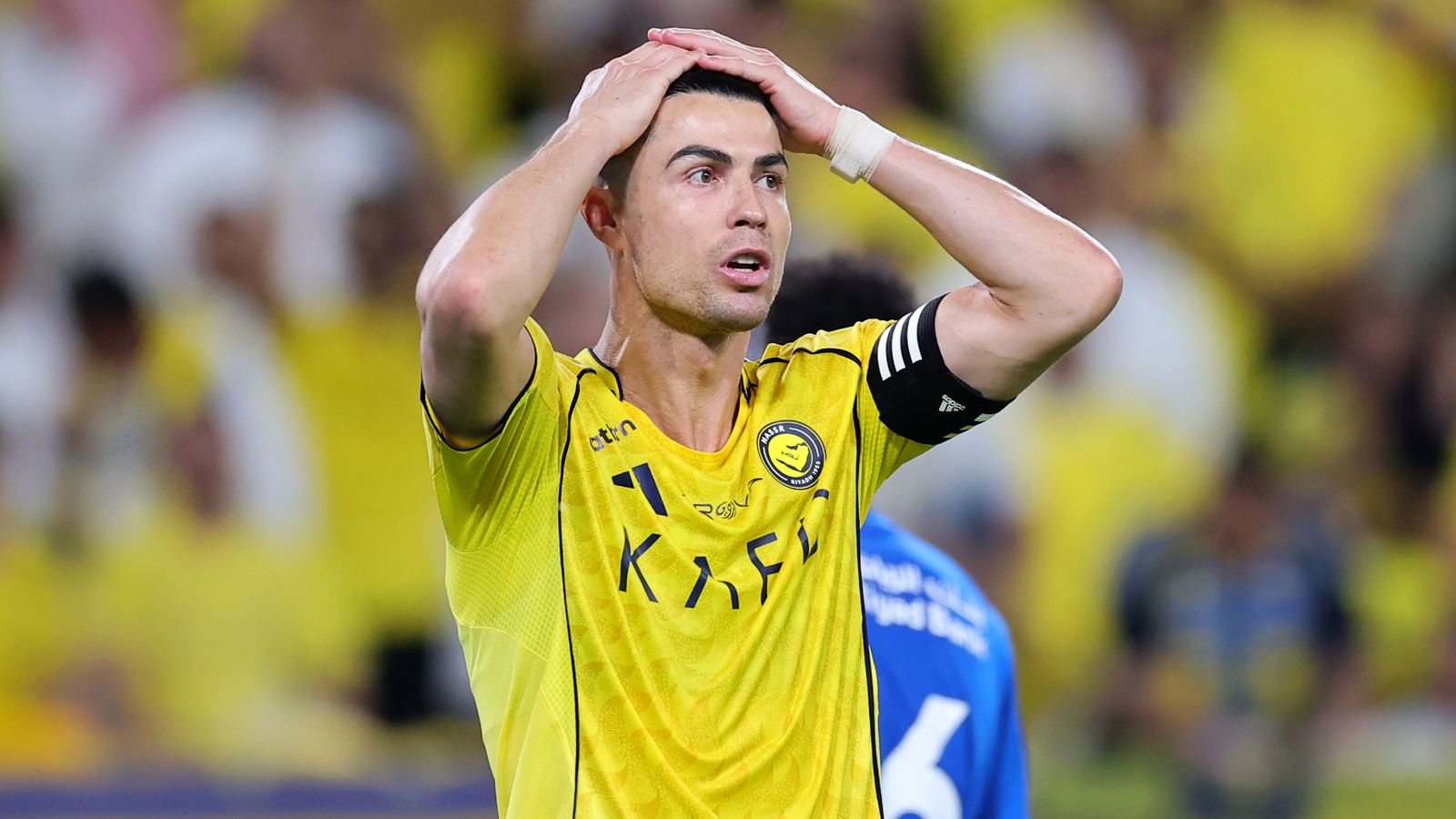
The sequence was a tactical disaster from the start. Al Nassr had committed seven players forward, leaving a massive 42-meter gap between the midfield pivot and the defensive line. When the turnover happened, the backtracking was sluggish. Cristiano Ronaldo stood at the halfway line, arms outstretched, watching as a simple lofted ball caused total panic in a backline that has looked fragile for months.
This isn't an isolated incident. Al Nassr have now dropped 14 points from winning positions this season. For a team with title ambitions, that is a terminal statistic. In contrast, league leaders Al Hilal have dropped only three points in similar scenarios. The psychological weight of these late-game collapses is visible in the data: Al Nassr’s pass completion rate drops from 84% to 71% after the 75-minute mark when leading by a single goal.
The Ronaldo efficiency paradox
Cristiano Ronaldo is currently operating at a conversion rate of 28.6% this season. For a 41-year-old in any professional environment, that number remains elite. He has found the net 31 times in 29 appearances, proving that his predatory instincts in the box are unaffected by age. He is outperforming his individual xG by a factor of +4.2, suggesting he is still finishing chances that most strikers in this league would waste.
However, football is a game of balanced trade-offs. While Ronaldo provides the clinical edge, his defensive contributions have plummeted. He averages just 0.21 successful pressures per 90 minutes. This forces the rest of the Al Nassr block to shift 10% more than they did two seasons ago to cover the central space. By the time we reach the final ten minutes of a match, the physical toll on the midfield duo is evident. They are no longer shielding the defense, leading to the kind of panicked clearances that preceded this latest howler.
The criticism of the goalkeeper will be loud, and rightfully so. He is currently underperforming his Post-Shot Expected Goals (PSxG) by -5.8 over the campaign. This means he has conceded nearly six goals more than a statistically average keeper would have from the same shots. When your title rival’s goalkeeper is at +3.4, you are essentially starting every month with a two-goal disadvantage.
Structural failure in the high line
Tactically, Al Nassr’s insistence on a high defensive line—averaging 48.2 meters from their own goal—is baffling given the personnel. Their center-backs lack the recovery speed to handle transitions, and their goalkeeper lacks the sweeping ability to mitigate that lack of pace. The goal conceded today was a direct result of this mismatch. A long ball over the top forced a frantic retreat, resulting in a corner that the keeper eventually fumbled.
The lack of a 'Plan B' is the most damning indictment of the current coaching staff. When the game becomes chaotic, Al Nassr do not have the structural integrity to sit in a low block and see out a result. They continue to hunt for a second or third goal, leaving the back door wide open. It is a reckless approach that ignores the reality of their defensive personnel's limitations.
The frustration on the pitch was clear. You cannot score 30 goals a season and still find yourself trailing because of basic errors in the final five minutes of matches.
If we look at the shot map from the final twenty minutes of Al Nassr’s last five draws, a pattern emerges. They concede high-value chances from the exact same zone: the half-space between the right-back and the right-sided center-half. Opposition managers have clearly identified this as the weak link in the chain. Until Al Nassr recruits a defensive anchor capable of screening that zone for 90 minutes, Ronaldo’s individual brilliance will continue to be neutralized by collective incompetence.
The cost of defensive negligence
The financial investment in Al Nassr’s frontline is well-documented, but the lack of investment in the defensive spine is now costing them silverware. While Al Hilal spent heavily on a world-class defensive structure, Al Nassr focused on flair. The result is a team that can beat anyone 5-0 but can also draw 2-2 with a bottom-half side because of a single lapse in concentration.
Ronaldo’s tenure in Saudi Arabia has been statistically dominant, but the lack of a league title will be a significant blot on his record. He is doing his part, but he cannot go back and save the ball for his goalkeeper. The gap at the top of the table is now six points with only three games remaining. Mathematically, it isn't over, but realistically, the title was dropped in the 89th minute today.
The critical observation here is that Al Nassr have become too predictable. They rely on the 'Ronaldo bail-out' far too often. When he doesn't score two or three, the team doesn't have the defensive discipline to win 1-0. In top-level football, the ability to win ugly is the hallmark of champions. Al Nassr only know how to win pretty, and as the howler proved, pretty football doesn't stop a 0.04 xG shot from ruining your season.
Read Next
- Al Nassr just choked away the title in the most painful way possible
- Ronaldo is one win away from a Saudi title and the internet is ready to fight
- Casemiro is right about Gareth Bale, but Ronaldo fans can't handle it
- De Zerbi's Brighton are hitting a wall before the summer break
- 🇵🇹 Portugal World Cup 2026 — A Seleção Hub
- ⭐ Saudi Pro League 2025-26 — Ronaldo, Al Nassr & the Title Race