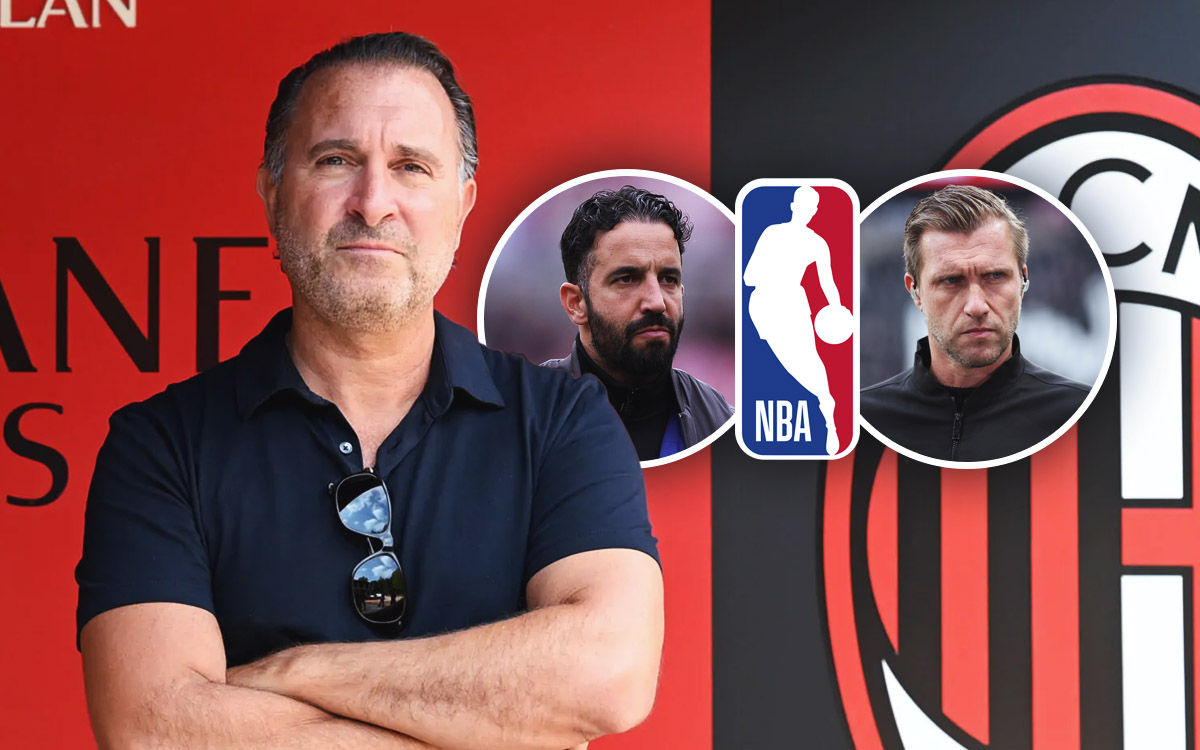
Gerry Cardinale is turning AC Milan into a football version of the NBA
The Americanized overhaul at San Siro
Gerry Cardinale is not interested in traditional Italian football management. As reported by Matteo Moretto, the ownership is pushing for an NBA-style organizational structure at AC Milan. This signals a cold, calculated move away from the idiosyncratic models that have defined Serie A for decades. It is a prioritization of operational efficiency over sentimental appointment-making.
Reports from CorSport indicate that Cardinale has settled on a tandem of Ruben Amorim and Markus Krösche to spearhead this transition. By importing a sporting director from the Red Bull school of thought and a tactician with a growing reputation in Amorim, Milan is trying to solve a complex equation. They want high-level scouting, data-driven recruitment, and tactical identity all under one roof.
The Krösche variable
Markus Krösche does not operate in the shadows. He acts as the architect of transfer strategy, relying heavily on a rigid internal hierarchy. As MilanNews has highlighted, his potential arrival comes with specific demands regarding autonomy and resource control. He is not a rubber-stamp executive for an American owner; he is a man who builds departments that function as independent profit-and-performance centers.
His track record suggests a preference for high-intensity, vertical transitions. This is a massive shift from the tactical stagnation often observed in Italian mid-table scrapers. However, the risk factor here is high. Implementing a German Bundesliga-style recruitment philosophy in Milano requires the club to overhaul its scouting network entirely. If Krösche holds out for total control over squad building, Cardinale may find his dream team becomes a boardroom liability long before it sees competitive play.
Tactical friction
Ruben Amorim brings a reputation built on structure. His use of a back three is not merely a defensive fallback. It is a mechanism for controlling half-spaces and forcing opponents into narrow corridors. Transitioning the current Milan roster into this setup will produce growing pains. Expect a 3-4-2-1 hybrid that demands extreme fitness from the wing-backs, a position where the current squad lacks depth.
The defensive discipline required to survive a Serie A season while employing these attacking principles will be the ultimate test. Milan has struggled with defensive transitions for two seasons, often leaving the center-back pair exposed during counter-attacks. Amorim loves a high press; if his attackers fail to trigger the trap on time, the defensive line will be caught high and isolated. They need to solve this vulnerability by the first matchday or risk an early-season collapse.
The boardroom gamble
Integrating an NBA-style front office is a flashy concept, but it often ignores the cultural nuances of calcio. Players are not merely assets moving on a balance sheet. They are stakeholders in a locker room culture that demands emotional resonance. If Krösche and Amorim treat the club like a franchise, they may alienate the support base quickly. Building a winner requires buy-in from the players, not just a spreadsheet of successful transfer targets.
The financial backing remains an outstanding question. If Cardinale expects a premium return on investment while starving the recruitment budget to support an expensive staff overhaul, he is deluding himself. Top-tier scouting data costs millions of euros annually, and the wages required to attract elite tactical minds continue to inflate. Milan is balancing on a razor's edge between a successful modernization and a bureaucratic bloat that accomplishes nothing on the pitch.
Success in professional football is rarely about the structure of the office. It is about closing gaps between lines and winning individual duels in the final third. Cardinale looks like a man who wants to own a winning team without acknowledging that the sport resists corporate packaging. If the first ten games of the upcoming campaign yield a poor points total, the entire NBA-style experiment will look like an expensive, misguided distraction from the club's fundamental footballing needs.
Read Next
FOCO Premier League Official Team Scarf
Wear your club colors with pride from the pub to the stadium.
Frequently Asked Questions
What is Gerry Cardinale's organizational vision for AC Milan?
Who are the key figures identified for Milan's new leadership structure?
What tactical changes could Ruben Amorim introduce at AC Milan?
How does Markus Krösche approach club management?
What are the primary risks of Milan's Americanized overhaul?
More Coverage
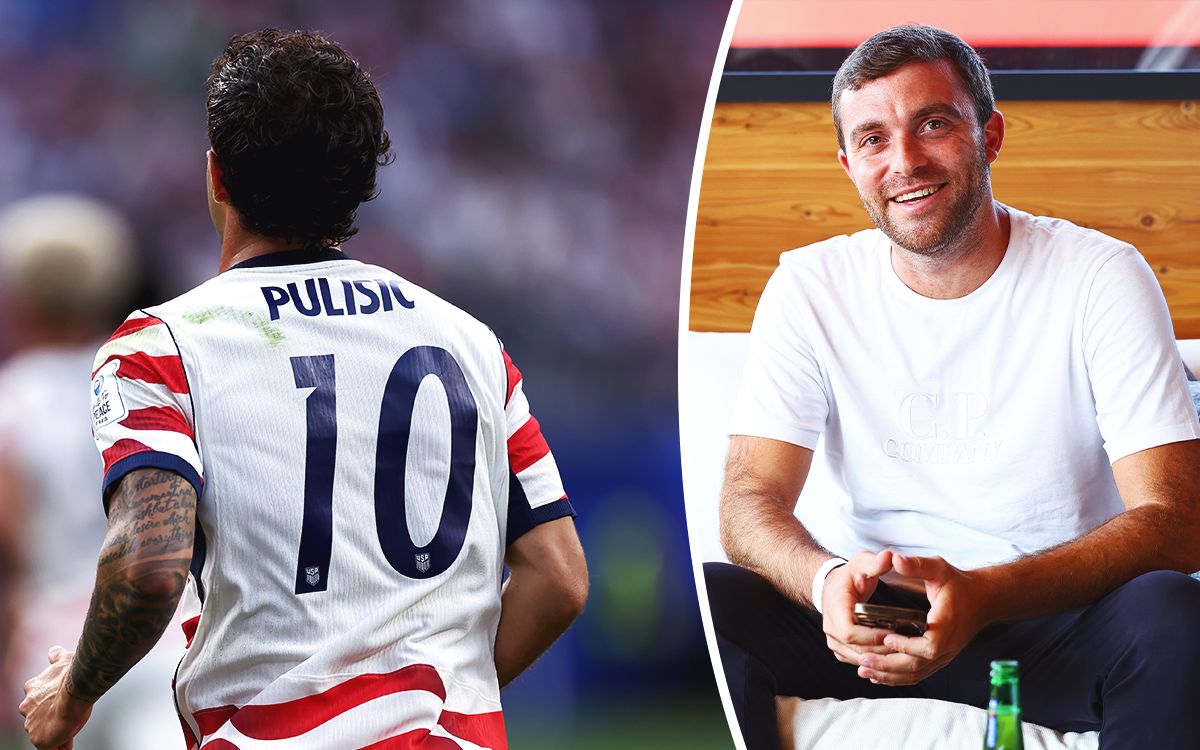
The Weight of the Captain's Armband: Pulisic Faces His Biggest Test
7 hours ago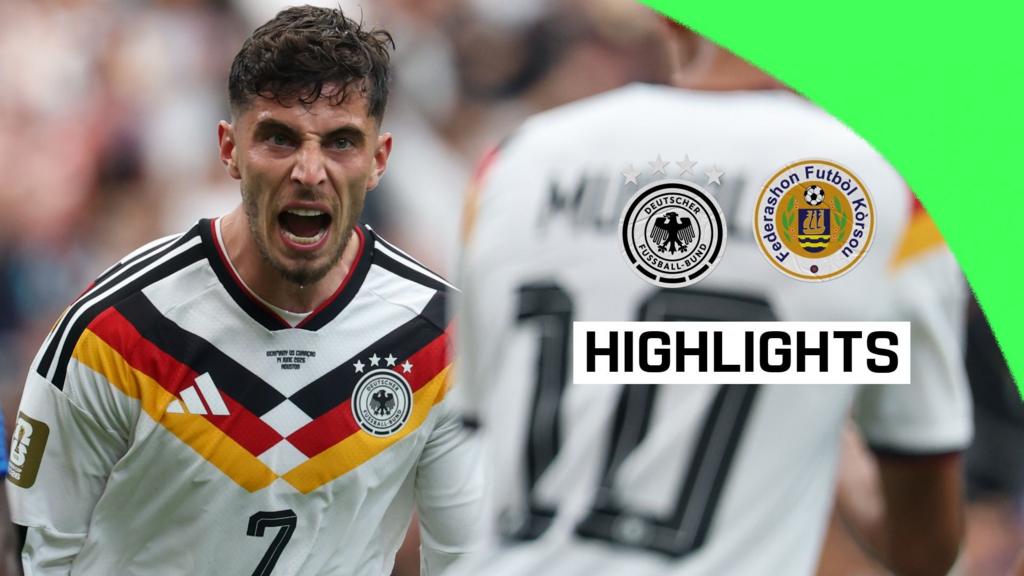
Germany’s Houston clinic exposes the gaps in the Curacao dream
14 hours ago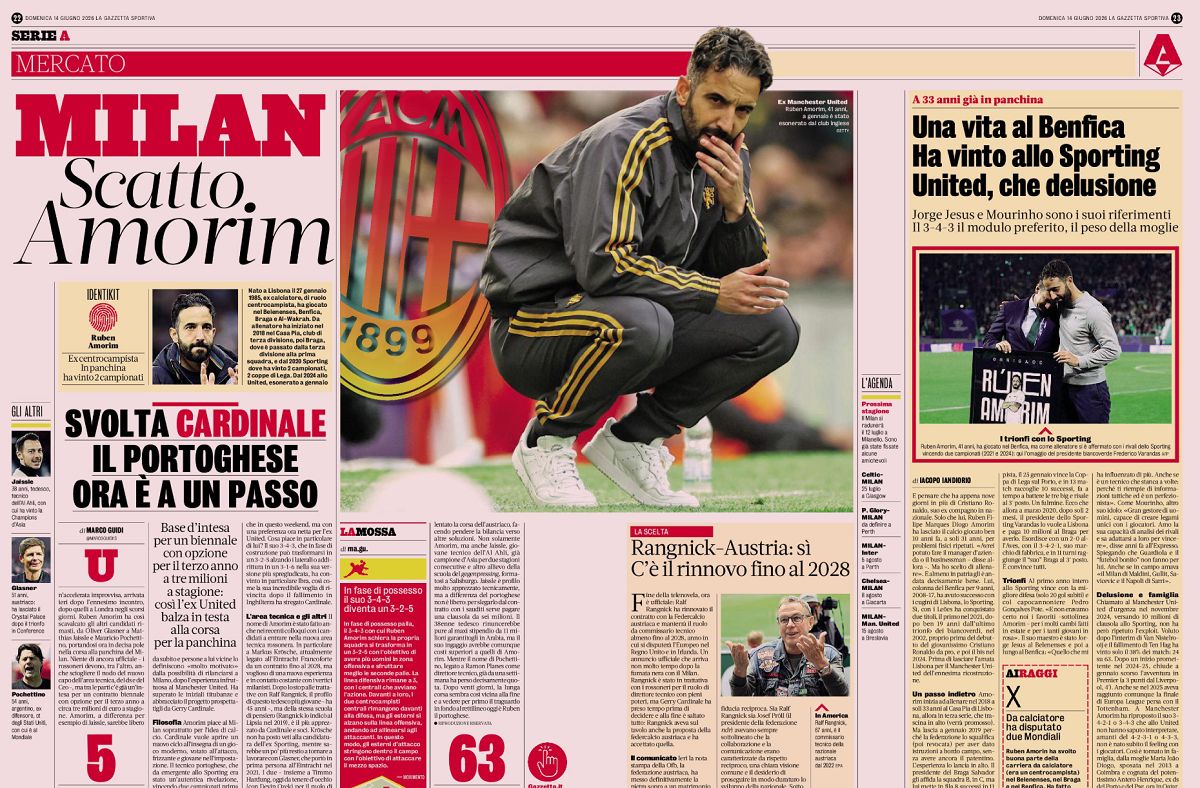
Ruben Amorim to Milan is looking like a total fever dream
15 hours ago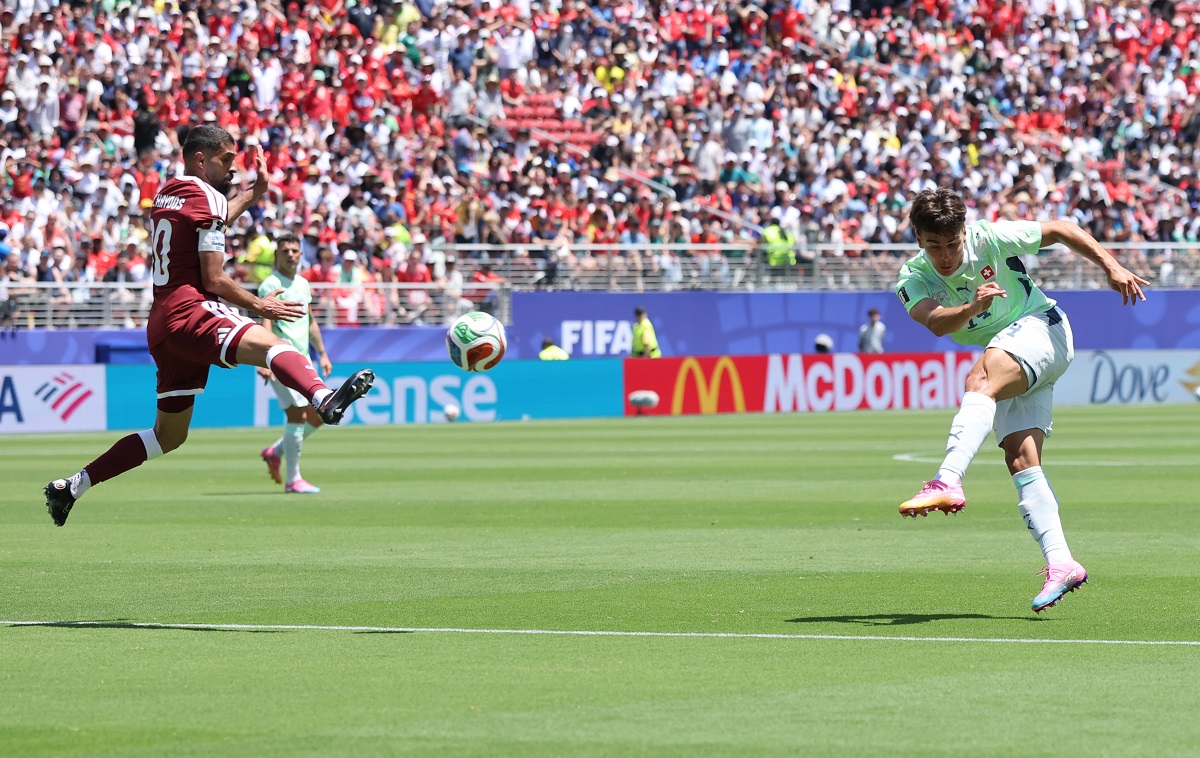
Milan are sleepwalking into a risky summer overhaul
15 hours ago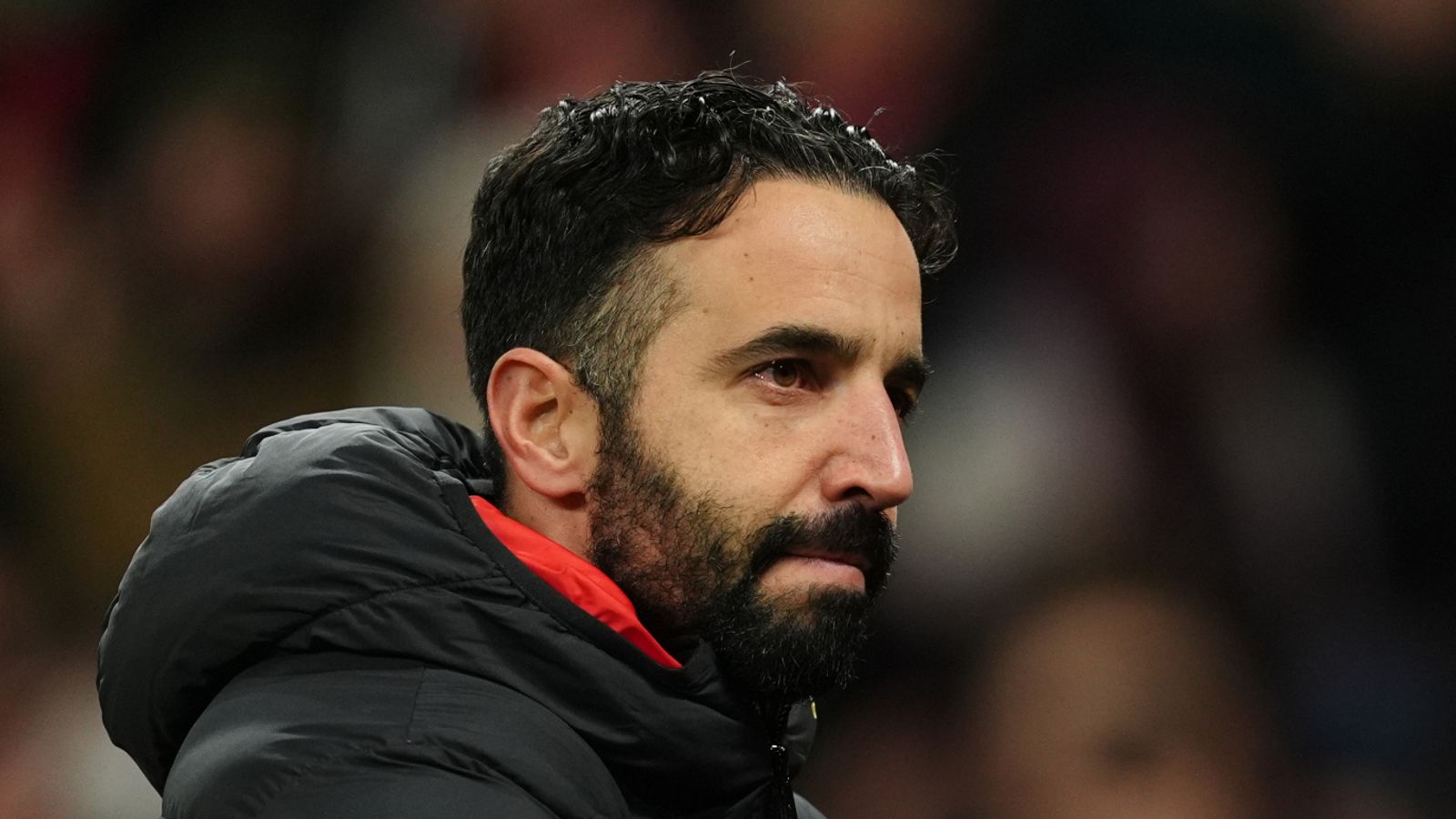
Ruben Amorim's AC Milan move is a masterclass in exit velocity
20 hours ago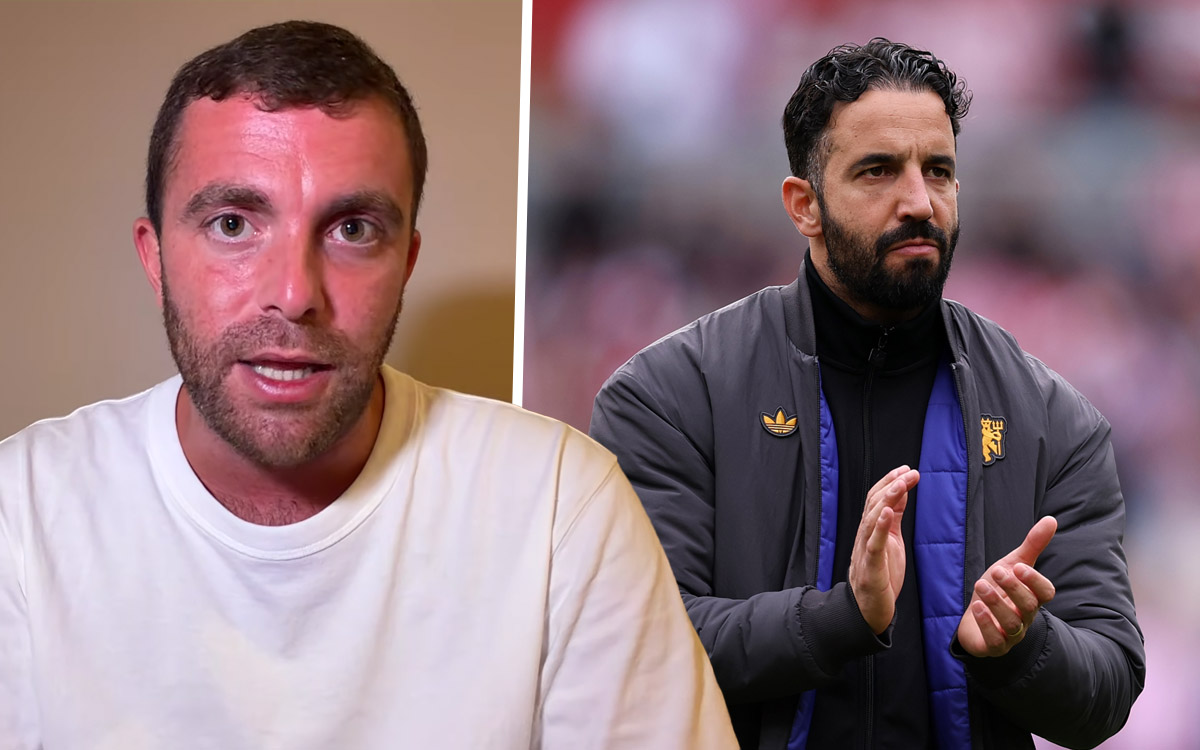
Ruben Amorim to Milan is a high-stakes tactical gamble
23 hours agoMore Analysis
Technology in the World Cup is finally moving past the guessing game
an hour ago
Tottenham selling Vuskovic would be an absolute managerial disaster
an hour agoReal Madrid buying Marc Cucurella is the biggest fever dream of 2026
an hour ago
Real Madrid land Marc Cucurella in a surprise move from Chelsea
an hour ago
Why the Ayyoub Bouaddi race feels like a trap for Arsenal and Liverpool
an hour ago