Australia’s tactical discipline exposes Turkey’s transition flaws
Engine room efficiency
Watching Australia operate against Turkey at the group stage reveals a side that understands exactly where its limits lie. While the broader tournament discourse often favors high-pressing chaotic energy, Graham Arnold has opted for a rigid, mid-block structure that forces opponents to play through traffic. Australia surrendered the majority of possession, yet the metrics from the first 45 minutes indicate a calculated approach to territory management rather than a defensive retreat.
The defensive shape remained compact, denying space in the half-spaces where Turkey’s creative hub usually thrives. By positioning two banks of four with a tight central pivot, the Socceroos neutralized the diagonal balls that are a staple of the Turkish buildup. The pass completion rate for Turkey in the final third dropped significantly after the 30th minute, hovering near 62 percent as defensive lines compressed.
Transition failures in the Turkish ranks
Turkey’s inability to penetrate this low block stems from a lack of verticality in the center of the pitch. Vincenzo Montella’s side frequently recycled possession horizontally, moving the ball from full-back to full-back without ever forcing the Australian defensive unit to shift its orientation significantly. This sterile dominance led to an xG of only 0.14 for the first hour of play.
As Sky Sports reported during the live feed, the frustration among the Turkish attacking tier was evident as they struggled to find pockets of space between the lines. The absence of a natural playmaker willing to drive into the box meant that defenders were rarely pulled out of position. It created a situation where the Turkish attack was always moving in front of the defensive line, never behind it.
The cost of tactical rigidity
Australia’s reliance on this ultra-conservative setup is not without its risks. By committing so few bodies to the counter-attack, they rarely turned their defensive solidity into meaningful offensive threat. The striker was left isolated for long stretches, a recurring issue that limits the ceiling of this current squad. Unless there is a pivot toward more aggressive transitions, they are likely to struggle against teams with superior tactical discipline.
The match was defined by a stalemate in the center of the park, where neither side demonstrated enough risk appetite to break the deadlock quickly. Turkey’s inability to manipulate the space created by Australia’s low block resulted in a stagnant 0.0 big chances created by the 70th minute. It is a cautionary tale for any squad expecting to dominate through raw possession without the necessary vertical incisiveness.
Ultimately, the match serves as a critique of modern tactical patience. While the defensive statistics look polished, the lack of offensive output makes for a predictable pattern of play. For teams like Turkey, the challenge is finding a way to disrupt such defensive geometry without losing the structure that prevents quick counters flowing the other way.
Read Next
- Australia vs Turkey: Parsing the tactical efficiency of disparate pressing styles
- Scotland are playing with fire against Haiti
- Haiti and Scotland deliver a masterclass in tactical frustration
- Steve Clarke's Scotland finally broke the glass ceiling
- 🇦🇺 Australia World Cup 2026 — Socceroos Hub
- 🇹🇷 Turkey at the 2026 World Cup — Full Coverage Hub
Icon Sports Group Premier League Reversible Soccer Scarf
Show your club loyalty with this premium, high-quality reversible knit scarf.
Frequently Asked Questions
How did Australia defend against Turkey's creative midfielders?
Why did Turkey struggle to score against Australia?
What is the primary flaw in Australia's ultra-conservative strategy?
How did Turkey's passing statistics change during the match?
What takeaway does the match offer for teams facing a low block?
More Coverage

Scotland’s win over Haiti was pure smoke and mirrors
an hour ago
Manchester United are repeating their same old transfer mistakes
2 hours agoScotland are playing with fire against Haiti
2 hours ago
Haiti and Scotland deliver a masterclass in tactical frustration
2 hours ago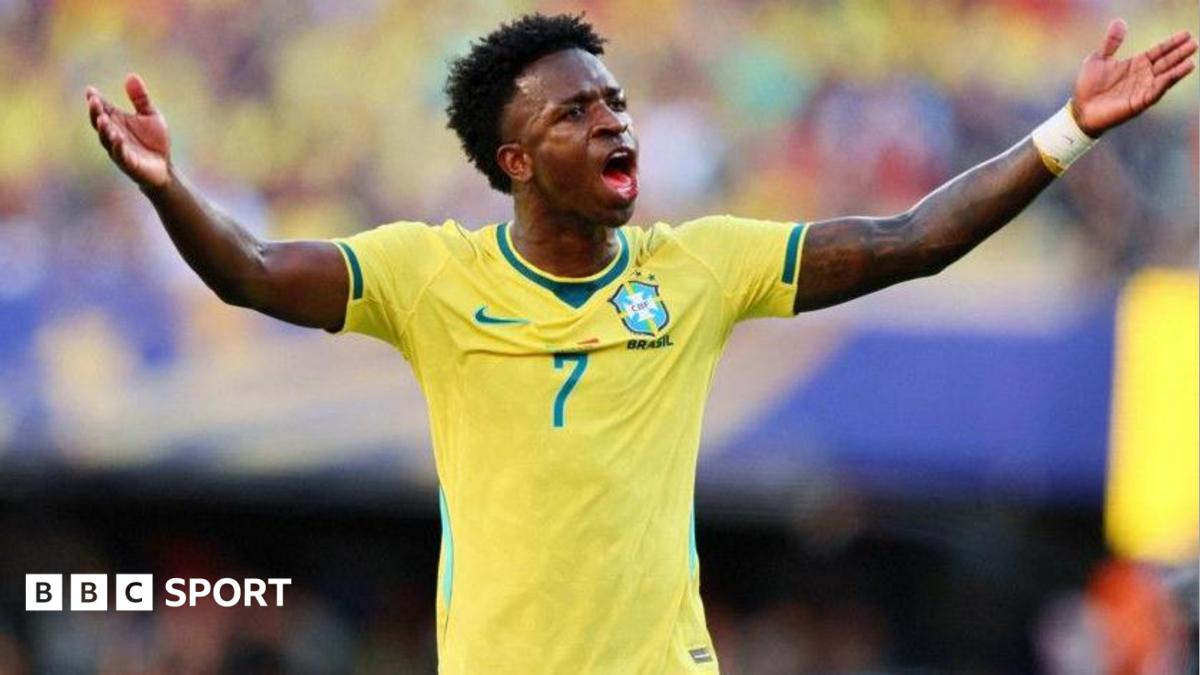
Brazil's reliance on Vinicius Jr is becoming a tactical liability
3 hours ago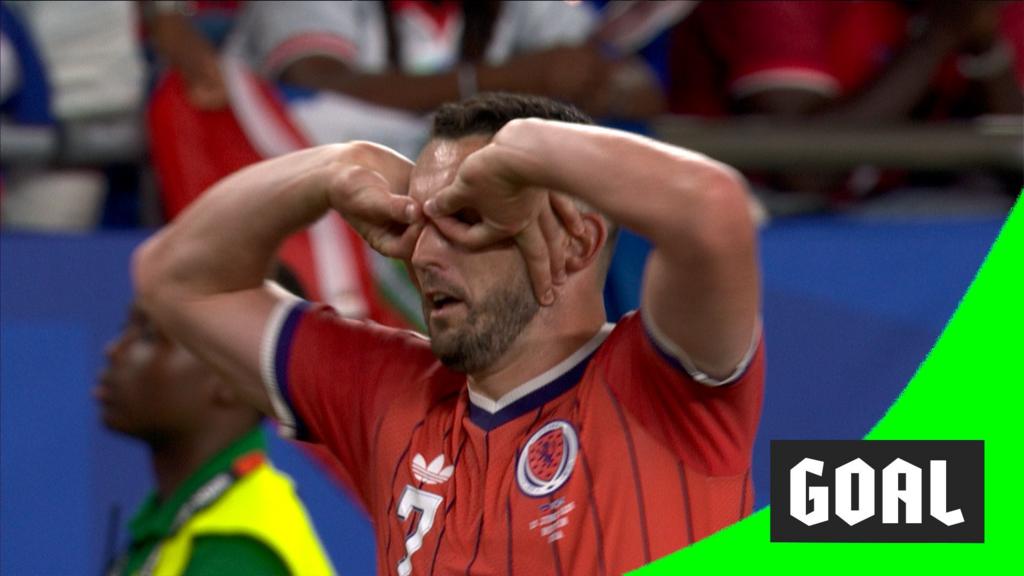
Scotland's reliance on McGinn is a structural vulnerability
3 hours agoMore Analysis

Australia vs Turkey: Parsing the tactical efficiency of disparate pressing styles
6 hours agoAustralia vs Turkey in Vancouver: Tactical stalemate or defensive collapse?
12 hours ago
Australia enters the World Cup with a level of rigor they once lacked
1 week, 3 days ago
Czechia's path back to the World Cup is defined by resilience, not flair
2 weeks, 4 days ago
Haiti and Scotland deliver a masterclass in tactical frustration
2 hours ago